


 Dawn.com
 Punjab to field new riot control force for ‘unlawful’ protests
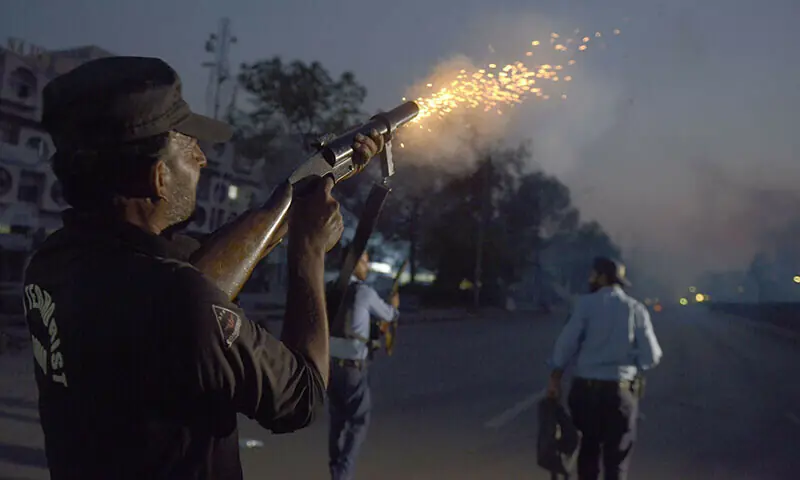
Punjab is set to raise a separate force for handling “unlawful” protests and mobs, as the Punjab Assembly’s Standing Committee on Home Affairs on Monday cleared a sweeping amendment to the Police Order, 2002, to tighten control over riots, violent protests and unlawful assemblies across the province. The proposed Police Order (Second Amendment) Act, 2025, introduces a dedicated Riot Management Unit (RMU), empowered to manage riots across Punjab with modern gear and training specifically for crowd control. The RMU will operate under an additional inspector general of police (AIG), supervised by the provincial police officer. A key feature of the bill is the formal declaration of “riot zones.” Under the new law, the deputy commissioner and district police officer can jointly declare any affected area a riot zone, allowing authorities to cordon off roads, evacuate civilians and appoint an incident commander to coordinate all departments during operations. The bill grants legal protection to police and RMU personnel for actions taken “in good faith” during riot control, shielding them from lawsuits and prosecutions for lawful use of force. To strengthen accountability, the amendment makes organisers, instigators and facilitators of riots financially liable. Courts will be required to order compensation for deaths, injuries, mental trauma and property damage caused during riots or unlawful assemblies. Compensation will be recoverable as arrears of land revenue, with up to three years’ imprisonment for default. A new chapter, ‘Offences in the Riot Zone’, prescribes up to 10 years’ imprisonment and fines up to Rs500,000 for attacks on police, law enforcement personnel or private individuals, as well as for damage to public or private property. Such offences will be cognisable, non-bailable and tried by sessions courts on a day-to-day basis, with a mandatory decision within 30 days. The bill also bars accused persons from transferring property once a case is registered and restricts foreign travel without court permission. The use of modern surveillance technology, including Safe City cameras, is allowed, with video and photographic evidence declared admissible in court. According to the statement of objects, the amendments seek to address rising public unrest, violent protests and attacks on law enforcement, while ensuring compensation for victims and clearer legal cover for police action. The bill will now move to the Punjab Assembly floor for enactment. This development comes several months after the religio-political party Tehreek-i-Labbaik Pakistan (TLP) had begun a protest march in Lahore, which turned violent. The party — which has a history of violent protests — had set out for what it described as a “Gaza solidarity” march, pledging to reach Islamabad and protest outside the US embassy. Ahead of its planned march, roads had been blocked in multiple areas of Punjab and mobile internet services suspended in the federal capital and Rawalpindi. The TLP protesters had camped at Muridke on the night of October 11, the very first day of their march, and later stayed there until an operation by law enforcement personnel on October 13 that resulted in their dispersal. Dawn reported that the marchers were unable to move forward due to large trenches dug by the district administration along the main GT Road. Meanwhile, throughout the duration of the protest, reports of clashes between TLP activists and law enforcement personnel kept emerging. On October 12, law enforcement agencies, including Pakistan Rangers (Punjab) and large contingents of police from five districts, were dispatched to Muridke and were reported to have surrounded the TLP protest camp, in what appeared to be preparations for a large-scale operation. Subsequently, law enforcement agencies launched a sweeping pre-dawn operation on Oct 13 to dismantle the party’s protest camp in Muridke, triggering violent clashes, widespread chaos and dozens of arrests. In the wake of the violence, the federal government banned the TLP under the Anti-Terrorism Act on October 24, after receiving a recommendation from the Punjab government to place them on the Fourth Schedule of the ATA — a list of proscribed individuals who are suspected of terrorism and/or sectarianism.