


 The Guardian
 ‘We hate it. It’s desecration’: the real cost of HS2
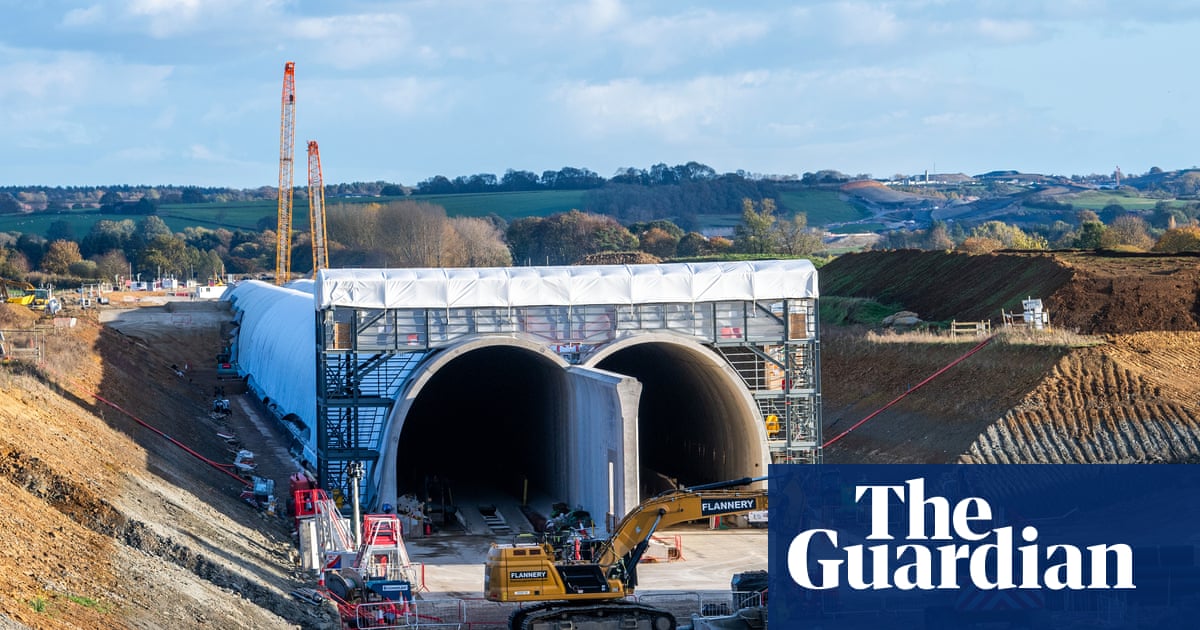
Ten years after I first followed the proposed route, I retraced my steps to see what life was like along the world’s most expensive, heavily delayed railway line Ten years ago, I walked the route of HS2 , the 140-mile railway proposed to run from London to Birmingham, to discover what lay in its path. Nothing had actually been constructed of this, supposedly the first phase of a high-speed line going north. The only trace was the furtive ecological consultants mapping newts and bats and the train’s looming presence in the minds of those who lived along the route. For many, it was a Westminster vanity project, symbolising a country run against the interests of the many to line the pockets of the few. People whose homes were under threat of demolition were petitioning parliament, campaigning for more tunnels or hoping the project would collapse before their farms, paddocks and ancient woodlands were wiped out. The line, we were told a decade ago, would be completed by 2026. Like many of the early claims about the longest railway to be built in Britain since the Victorian era, that fact no longer stands. The fast train is running – very – late. The official finish date of 2033 was recently revised upwards . “The best guess is that it will begin with a ‘4’ when you can catch a train,” one well-informed observer told me. There’s similar uncertainty about its cost, but one thing is sure: it is catastrophically over budget. When complete, HS2 will almost certainly be the most expensive railway in the world. Nearly 20 years ago, HS1, the line from the Channel tunnel to St Pancras, was completed on time and on budget for £51m per mile (£87m in today’s prices). It was criticised for being twice as expensive as a high-speed route constructed in France. HS2 may cost almost £1bn per mile. Continue reading...