


 Egyptian Streets
 Capture of Pelicans Spotlights Ecological Risks and Illegal Trade
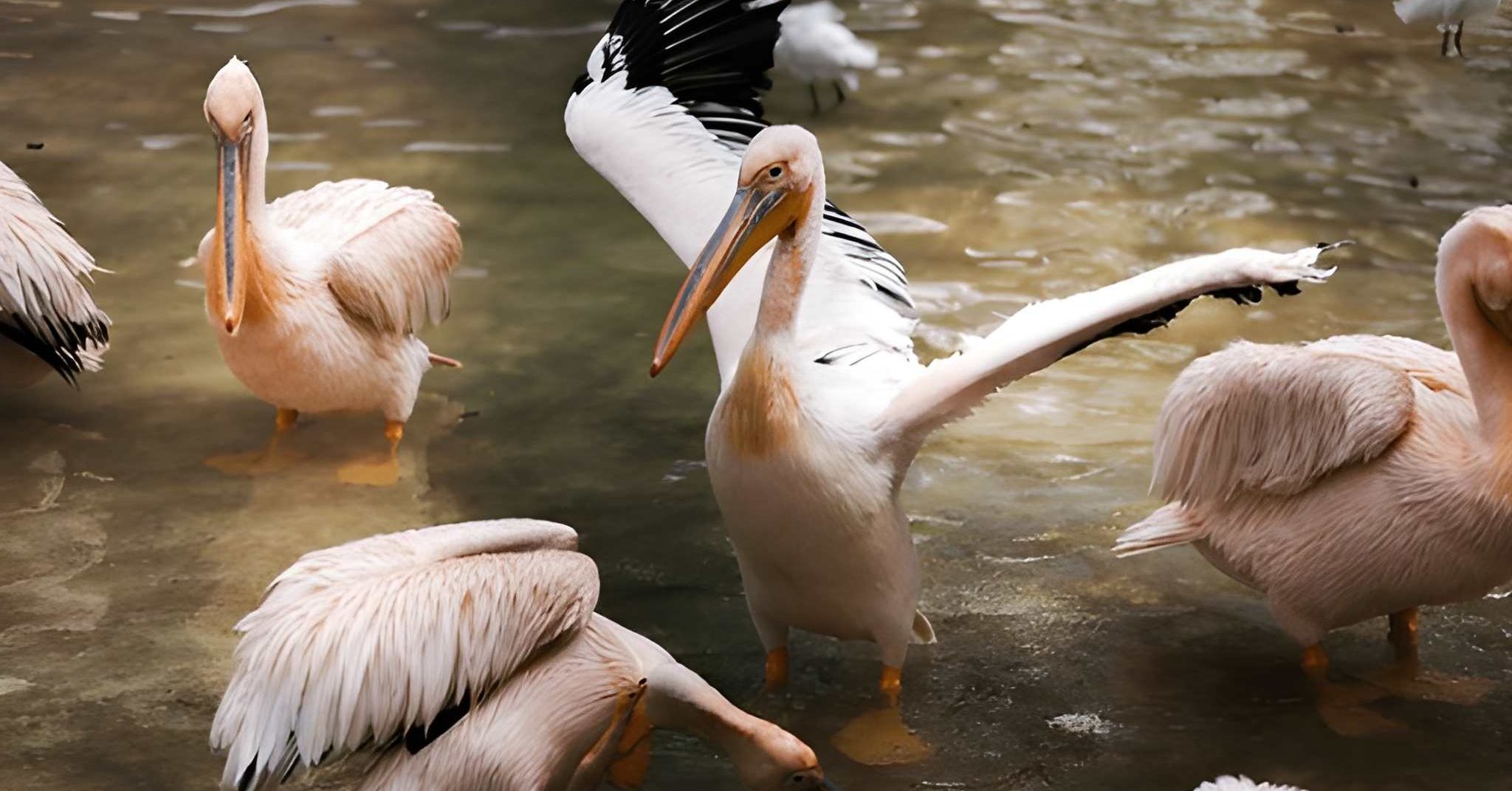
Along the Ain Sokhna road, a desert highway where tankers and weekend travelers rumble toward the Red Sea, a row of fish shops became an unexpected and unsettling attraction. In mid-November, officials found migrating pelicans captured and displayed outside fish shops for tourists, some caged or bound, as passersby stopped to stare. Pelicans are among the world’s largest water birds, instantly recognizable by their long bills and elastic throat pouches, which they use to scoop fish from lakes, rivers, and coastal waters. Highly social and long-lived, they travel in large flocks and rely on wetlands for feeding, rest, and breeding, making them especially vulnerable to habitat disruption along their migratory routes. For conservationists, the scene struck a nerve. The migratory bird, the Great White Pelican, listed as Least Concern globally by the International Union for Conservation of Nature (IUCN), meaning they are not currently considered at risk of extinction, was intercepted mid-journey and put on view, causing alarm across Egypt’s environmental community. The acting Environment Minister, Manal Awad, ordered the immediate confiscation of any birds found in captivity and dispatched field teams to investigate the trapping routes. She stated that Continue reading "Capture of Pelicans Spotlights Ecological Risks and Illegal Trade" The post Capture of Pelicans Spotlights Ecological Risks and Illegal Trade first appeared on Egyptian Streets .