


 Business Recorder
 Transporters’ strike threatens trade and economy: Bilwani
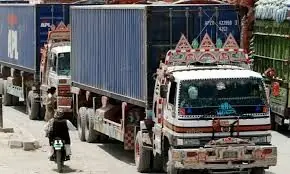
KARACHI: Muhammad Jawed Bilwani, Patron-in-Chief of the Pakistan Hosiery Manufacturers and Exporters Association (PHMA), has warned that the ongoing nationwide transporters’ strike has brought Pakistan’s ports to a complete standstill, pushing exports and imports to the brink of collapse. In a statement on Tuesday, Bilwani, who is also President of the KCCI, described the halt in port operations as “economic sabotage,” stating that the strike has disrupted the entire national supply chain, with devastating consequences for the economy, government revenues and foreign exchange earnings. He said exporters are facing massive financial losses due to the unavailability of transport and containers, forcing many to consider expensive and risky air shipments to meet delivery deadlines. Each passing day, he added, is increasing pressure on exporters and threatening Pakistan’s credibility in international markets. Bilwani warned that continued government inaction could cause irreparable damage, noting that thousands of export and import containers are stranded at ports, while several hundred containers already loaded on vessels remain at sea, awaiting berthing space. Highlighting the scale of losses, he said Pakistan’s average daily exports stand at USD 92 million, while monthly exports amount to USD 2.849 billion. The textile sector alone contributes USD 52 million in daily exports and approximately USD 1.617 billion per month, all of which are now at serious risk. He said the disruption has severely affected manufacturing and agriculture by interrupting the supply of raw materials and movement of finished goods. Export-oriented industries face halted production cycles, missed vessels, heavy demurrage and detention charges, shipment delays and possible cancellation of export orders. Bilwani stated that operations at all major ports — South Asia Pakistan Terminal (SAPT), Qasim International Container Terminal (QICT), Pakistan International Container Terminal (PICT) and Karachi Gateway Terminal Limited (KGTL) — have completely stopped due to the strike. He noted that SAPT normally handles around 2,700 TEUs daily, QICT about 1,650 TEUs, KGTL around 800 TEUs and KICT approximately 1,160 TEUs per day. With port operations suspended, vessels are increasingly departing without export containers, creating severe difficulties for exporters and further shipment delays. He warned that even after normal operations resume, clearing the mounting backlog could take several months, as only limited containers are currently being loaded. On the import side, Bilwani said the inability to move containers has choked supply chains, delayed production and created operational chaos for industries. He questioned who would bear the burden of escalating demurrage and detention charges imposed by port authorities and foreign shipping lines, warning that these dollar-based payments would further strain Pakistan’s foreign exchange reserves. Expressing concern over agro-based exports, he said fruits and vegetables requiring refrigerated containers are perishing, with consignments being rejected in international markets. He warned that the crisis threatens not only the agricultural economy but also Pakistan’s reputation and national food security. Bilwani said the absence of serious efforts by federal and provincial governments, coupled with poor coordination and delayed decision-making, is pushing businesses toward collapse, layoffs and long-term damage to the formal economy. He urged Prime Minister Shehbaz Sharif to immediately intervene, bring transporters and stakeholders to the negotiating table, provide relief from unjustified demurrage and detention charges, and ensure swift clearance of stranded consignments. Stressing the urgency of the situation, Bilwani said failure to act promptly would amount to complete economic sabotage and undermine the government’s own goals of economic stabilization and export growth. Copyright Business Recorder, 2025