


 jo24.net
 حين تتحول التنمية إلى هندسة نفوذ: الحزام والطريق كاستراتيجية طويلة المدى
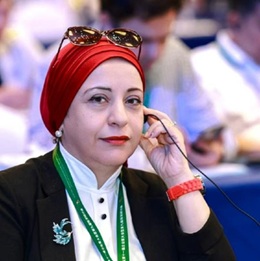
* تجدون أدناه نسخة مترجمة إلى اللغة الانجليزية واللغة الصينية * د. عائده المصري، باحثة وكاتبة إعلامية متخصصة في الحوكمة العالمية والاقتصاد السياسي، بخبرة في إدارة النزاعات وتعزيز مرونة سلاسل التوريد. الاتحاد الدولي للصحفيين الدوليين/كتاب العرب اصدقاء وحلفاء الصين. "إن التنمية حق لكل الدول، وليست امتيازًا تحتكره قلة منها". تنطلق هذه العبارة في كتاب ماذا وكيف يفكر القائد الصيني باعتبارها أساسًا للرؤية الخارجية للصين، لكنها بالنسبة لي ليست مجرد مبدأ سياسي، بل اختصار لطريقة مختلفة في فهم العلاقات الدولية. بحكم عملي في تحليل الحوكمة وسلاسل التوريد العالمية، لطالما بدت لي مبادرة الحزام والطريق مشروعًا يتجاوز "البنية التحتية” نحو صياغة معادلة جديدة للتأثير تعتمد على بناء القدرة بدلاً من فرض الإرادة. منذ إطلاقها، تقدّم الصين المبادرة كإطار يُعاد من خلاله ربط الاقتصادات على نحو يقلّل من هشاشة الدول أمام تقلبات الأسواق، ويرفع قدرتها على الوصول إلى الموانئ والطاقة واللوجستيات. وهنا يطابق الكتاب بين فلسفة الحوكمة الداخلية، التي ترتكز على وضوح المسؤوليات والانضباط وتنمية الأقاليم، وبين النسخة الخارجية منها. فالمبادرة ليست امتدادًا استثماريًا فحسب، بل امتدادًا لنفس المنطق الإداري الذي يضع "النتائج” فوق "الوعود”. من منظور الاقتصاد السياسي الذي أتابعه، يمكن قراءة المبادرة كصيغة لإعادة توزيع الثِقَل الجيو–اقتصادي، حيث لم تعد القوة تُقاس فقط بما تملكه الدول من موارد، بل بما تتيحه من شبكات ترابط تسمح بتدفق السلع والطاقة ورؤوس الأموال بكفاءة وأمان. وفي هذا السياق، يصبح بناء الطرق والموانئ خطوط نفوذ طويلة الأجل، لا أدوات دبلوماسية قصيرة المدى. لكن ما يميز الحزام والطريق، وهذا ما يلفتني شخصيًا، ليس حجمه بقدر ما هو أسلوبه. فالصين لا تربط تمويل مشاريعها بشروط سياسية مباشرة، بل بعقود تنموية طويلة المدى، ما يمنح الدول قدرة أكبر على التفاوض وعلى توزيع المخاطر. هذا النموذج، كما يوضحه الكتاب، يقوم على تحويل التنمية نفسها إلى لغة مشتركة: كلما توسعت القدرة الإنتاجية لدولة ما، زادت قدرتها على المناورة الاقتصادية وعلى جذب الشراكات. وبينما تُحمَّل المبادرة أحيانًا نقدًا في الإعلام الغربي بوصفها "أداة نفوذ”، فإن ما يظهر في كثير من الحالات هو أنها منصة لإعادة بناء استقرار لوجستي أكثر من كونها مشروعًا جيوسياسيًا مباشرًا. فالدول التي شهدت تحسّنًا في بنيتها التحتية، من موانئ شرق أفريقيا إلى شبكات النقل في آسيا الوسطى، باتت أقل عرضة للاضطرابات التي قد تضرب سلاسل الإمداد العالمية. وهذا الجانب، كمتخصّصة في إدارة النزاعات وسلاسل التوريد، يبدو لي من أكثر نتائج المبادرة أهمية، رغم قلّة تسليط الضوء عليه. إن قراءة الحزام والطريق عبر فلسفة الكتاب تسمح بفهم أعمق لطبيعة النفوذ في القرن الحادي والعشرين: نفوذ لا يتشكّل من استعراض القوة، بل من بناء بيئات تنموية قابلة للحياة. وهنا تتقاطع رؤيتي مع ما يطرحه الكتاب؛ فالقوة، في النهاية، ليست ما تفرضه الدول على غيرها، بل ما تبنيه معها. * استند هذا المقال إلى قراءة تحليلية في كتاب «ماذا وكيف يفكر القائد الصيني: استراتيجيات شي جينبينغ في قيادة الصين»، تأليف: تشن جيه ومحمد زريق (دار زمكان، بيروت، 2025)، مع تطوير الرؤى المطروحة في ضوء خبرة الكاتبة في مجالات الحوكمة وإدارة النزاعات وسلاسل التوريد العالمية. When Development Becomes an Architecture of Influence: The Belt and Road as a Long-Term Strategy Dr. Aydah Almasri Researcher and media commentator on global governance and political economy, with expertise in conflict management and supply-chain resilience. Member of the International Federation of Journalists / Arab Writers – Friends and Allies of China. "Development is a right of all nations, not a privilege monopolized by a few.” This statement, drawn from the book What and How the Chinese Leader Thinks, is presented as a cornerstone of China’s external vision. For me, however, it is more than a political principle; it encapsulates a fundamentally different way of understanding international relations. Through my work in governance analysis and global supply chains, the Belt and Road Initiative (BRI) has long appeared to me as a project that goes beyond "infrastructure” toward the construction of a new equation of influence—one rooted in building capacity rather than imposing will. Since its launch, China has framed the initiative as a platform for reconnecting economies in ways that reduce states’ vulnerability to market volatility while expanding their access to ports, energy, and logistics. In this regard, the book draws a clear parallel between China’s domestic governance philosophy—based on clarity of responsibility, discipline, and balanced regional development—and its external projection. The initiative is not merely an extension of investment outward; it is an extension of the same administrative logic that prioritizes outcomes over promises. From a political economy perspective, the initiative can be read as a mechanism for redistributing geo-economic weight. Power is no longer measured solely by the resources states possess, but by the networks they enable—networks that allow goods, energy, and capital to flow efficiently and securely. Within this framework, roads and ports evolve into long-term corridors of influence rather than short-term diplomatic tools. What distinguishes the Belt and Road—and what personally draws my attention—is not its scale so much as its method. China does not typically attach direct political conditionality to its financing. Instead, it relies on long-term development contracts that grant partner countries greater room to negotiate and to share risk. As the book explains, this model turns development itself into a common language: the more a country expands its productive capacity, the greater its ability to maneuver economically and to attract partnerships. While the initiative is often portrayed in Western media as an "instrument of influence,” what emerges in many cases is something more structural: a platform for rebuilding logistical stability rather than a straightforward geopolitical project. Countries that have seen tangible improvements in infrastructure—from ports in East Africa to transport networks in Central Asia—have become less exposed to disruptions that threaten global supply chains. From my perspective, as a specialist in conflict management and supply chain resilience, this dimension is among the initiative’s most significant outcomes, despite receiving relatively limited attention. Reading the Belt and Road through the lens offered by the book allows for a deeper understanding of power in the twenty-first century: a form of influence shaped not by displays of force, but by the creation of viable development environments. Here, my own view converges with the book’s argument. Power, ultimately, is not what states impose on others, but what they are able to build with them. * This article draws upon an analytical reading of What and How the Chinese Leader Thinks: Xi Jinping’s Strategies for Leading China by Chen Jie and Mohammed Zureiq (Zamkan Publishing, Beirut, 2025), further expanded through the author’s expertise in governance, conflict management, and global supply-chain systems. 当发展转化为影响力的工程:"一带一路”作为一项长期战略 艾黛(Aydah Almasri)博士, 国际治理与政治经济领域的学者与媒体评论员,专长于冲突管理与全球供应链韧性。国际记者联合会及"阿拉伯作家——中国之友与伙伴”组织中国分会成员。 "发展是所有国家的权利,而不是少数国家垄断的特权。” 这句话出自《领袖如何思考与为何如此思考》一书,被视为中国对外战略视野的重要思想基础。对我而言,它并不仅仅是一项政治原则,而是对国际关系理解方式的高度概括。基于我对治理体系与全球供应链的长期研究,"一带一路”倡议始终呈现为一个超越"基础设施”本身的项目——它致力于构建一种新的影响力逻辑,其核心不在于施加意志,而在于培育能力。 自提出以来,中国将该倡议定位为一个重新连接各国经济体的框架,旨在降低国家对市场波动的脆弱性,同时提升其获取港口、能源与物流体系的能力。书中清晰地将中国国内治理理念——强调责任清晰、制度纪律与区域均衡发展——与其对外实践相互映照。因此,"一带一路”不仅是资本外溢的结果,更是同一套行政逻辑的外延,这种逻辑重视"实际成效”甚于"政治承诺”。 从政治经济学的视角来看,该倡议可被理解为一种重新分配地缘经济权重的机制。国家实力已不再仅由其拥有的资源数量来衡量,而越来越取决于其所构建和参与的互联网络——这些网络能够保障商品、能源与资本在效率与安全之间实现平衡流动。在这一语境下,道路与港口不再只是基础设施项目,而逐渐演变为具有长期影响力的战略通道,而非短期的外交工具。 真正使"一带一路”引人注目的,并非其规模,而是其运作方式。中国通常并不将融资与直接的政治条件捆绑,而是通过长期发展型合同开展合作,这为参与国提供了更大的谈判空间,也有助于风险的合理分担。正如书中所指出的,这一模式将"发展”本身转化为一种共同语言:一国生产能力越强,其经济回旋空间越大,也越容易吸引多元化的伙伴关系。 尽管西方媒体有时将"一带一路”描述为一种"影响力工具”,但在许多具体案例中,它更像是一个用于重塑物流稳定性的结构性平台,而非直接的地缘政治工程。那些基础设施条件得到改善的国家——无论是东非的港口,还是中亚的交通网络——都显着降低了其供应链遭受冲击的风险。作为一名专注于冲突管理与供应链韧性的研究者,我认为这一点是"一带一路”最为重要却往往被忽视的成果之一。 通过该书所提供的思想框架来理解"一带一路”,有助于我们更深入地认识二十一世纪影响力的本质:真正的力量,并非来自力量的展示,而源于可持续发展环境的构建。在这一点上,我的观察与书中的观点不谋而合——力量,归根结底,不是一个国家强加于他国的东西,而是它能够与他国共同建构的成果。 * 本文基于对《中国领导人怎样思考:习近平领导中国的战略》(陈杰、Mohammed Zureiq 著,贝鲁特:Zamkan出版社,2025年)的学术性阅读与分析,并结合作者在全球治理、冲突管理及供应链韧性方面的研究经验进行深化探讨。 .