


 Business Recorder
 Pak-Afghan border closure adversely affects bilateral trade, employment, causes revenue loss: traders
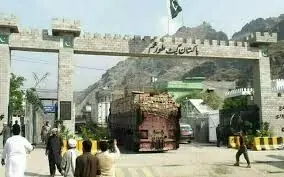
PESHAWAR: The closure of the border between Pakistan and Afghanistan for the last more than two months has left multifaceted impacts, affecting trade volumes, employment, revenues and regional connectivity, say traders here. Senior Vice President, Pak-Afghan Joint Chamber of Commerce PAJCCI, Zia-ul-Haq Sarhadi and Engineer Manzoor Ellahi, former Senior Vice President, Sarhad Chamber of Commerce and Industry in a statement here on Wednesday said border closure has paralyzed a vital trade corridor worth billions annually. Pre-closure, bilateral trade hovered around $2-3 billion yearly, with Pakistan exporting high-value goods and Afghanistan relying on Pakistan for essentials while exporting perishables, they added. Daily exports during peak seasons (e.g., agriculture and construction) reached USD50-60 million, including cement, sugar, kinnows (citrus fruits), potatoes, medicines, and surgical items. Traders warned the ongoing shutdown has already caused cumulative losses exceeding USD4.5 billion for Pakistan, with seasonal items like mandarins and potatoes (export season: December-March) projected to lose another USD200 million. Businessmen said the cement sector is particularly hard-hit as Afghanistan was a major market for Pakistani cement exports, while halted coal imports from Afghanistan have driven up production costs in Pakistan’s northwest industries. Medicine and surgical trade, valued at around USD200 million annually, has ground to a halt, risking shortages in Afghanistan and lost revenue for Pakistani pharmaceutical firms, traders said. Regarding Afghanistan’s export disruptions, they said dry fruits, grapes, pomegranates and other perishables worth millions in the current season have lost access to Pakistani and onward markets. This has led to spoilage of perishable goods, with farmers in border regions facing immediate income wipe outs, they added. The traders said the abrupt and unannounced closures have created a humanitarian ripple effect, idling estimated tens of thousands of workers. Thousands of truck drivers, labourers, clearing agents, and porters are unemployed across borders. At Torkham and Chaman crossings, over 8,000 trucks remain stranded, with drivers incurring daily demurrage fees and fuel costs without income. In Pakistan, border town economies (e.g., Peshawar, Quetta) reliant on trade hubs have seen job losses in logistics and warehousing. Sarhadi and Ellahi highlighted how this generates “a lot of unemployment in both countries,” particularly affecting low-skilled migrant workers. Due to trade closure, governments on both sides are forfeiting critical tax inflows, straining public finances, they continued. In Pakistan, customs duties, sales taxes, and transit fees from Afghan trade generate hundreds of millions annually. The 45-day closure alone has cost over Rs16.5 billion (USD60 million) in foregone export revenues, plus demurrage charges at ports. At Karachi Port, over 14,000 Afghan transit containers are held up, leading to massive penalties (up to USD100/day per container) and losses for Afghan traders—estimated in the tens of millions. This clogs port infrastructure and diverts resources from other trade routes. Copyright Business Recorder, 2025