


 Business Recorder
 Watch online videos to purchase Bitcoin, says Pakistan’s crypto chief
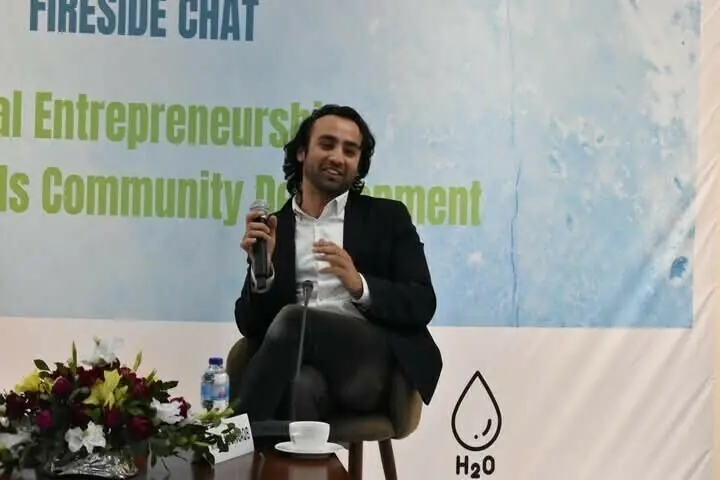
Bilal bin Saqib, the head of Pakistan’s newly established virtual assets regulator, has come under criticism after publicly advising citizens to ‘watch videos’ to buy Bitcoin, even as millions of Pakistanis remain exposed to unregulated peer-to-peer crypto markets. “I am not a financial advisor, but if you still want to buy Bitcoins. There are multiple videos through which 30-40 million people have started buying digital assets. So, you should go in the same way,” said Saqib, in a recent interview with a private news channel. The response from Saqib, head of the Pakistan Virtual Assets Regulatory Authority PVARA, drew widespread criticism on social media. “Not just this, I think Pakistan should start preparing for 2050, because everything that we know and understand is being redefined. We have to get out of this conventional wisdom and focus on the knowledge of emerging technologies,” he said. Saqib was of the view that in the future, digital assets, artificial intelligence, drones, robotics and quantum computing would redefine sovereignty. “This is where Pakistan should focus,” he said. Days ago, the Ministry of Finance signed a Memorandum of Understanding (MoU) with Binance Investments Co., Ltd, one of the world’s leading blockchain and digital asset technology companies, marking Pakistan’s first formal step into blockchain-based distribution of sovereign assets. The MoU was signed at the Finance Division by Federal Minister for Finance and Revenue, Muhammad Aurangzeb, and Richard Teng, CEO of Binance, in the presence of Changpeng Zhao (CZ), Adviser to the Pakistan Crypto Council. The MoU establishes a framework for exploring potential collaboration on the tokenisation and blockchain-based distribution of Pakistan’s real-world and sovereign assets, including government bonds, treasury bills, commodity reserves, and other federally owned assets. Subject to applicable laws, policies, and regulatory approvals, the initiative may involve assets of up to $2 billion to enhance liquidity, transparency, and international market accessibility.