


 Azer News
 Brussels sidelines Washington platform, elevates Paris–Brussels axis in Armenia deal
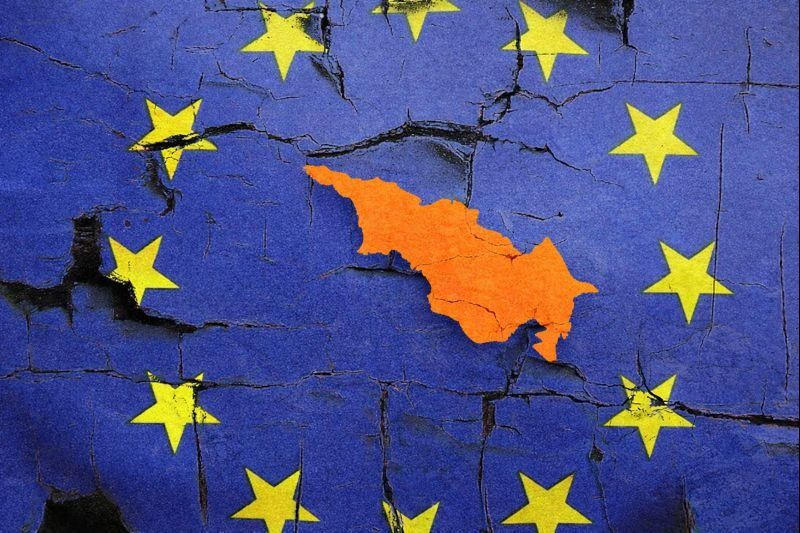
In recent months, the European Union’s (EU) policy toward the South Caucasus has increasingly come under scrutiny. Although official Brussels continues to emphasize its commitment to peace, stability, and cooperation, the actual steps taken and the documents adopted often point in the opposite direction. This contradiction becomes especially evident in the context of Azerbaijan–Armenia relations, where new realities are emerging after years of conflict. Instead of embracing these developments and supporting genuine normalization, the EU’s position appears inconsistent, selective, and at times openly biased.