


 Business Recorder
 Attock Petroleum Limited
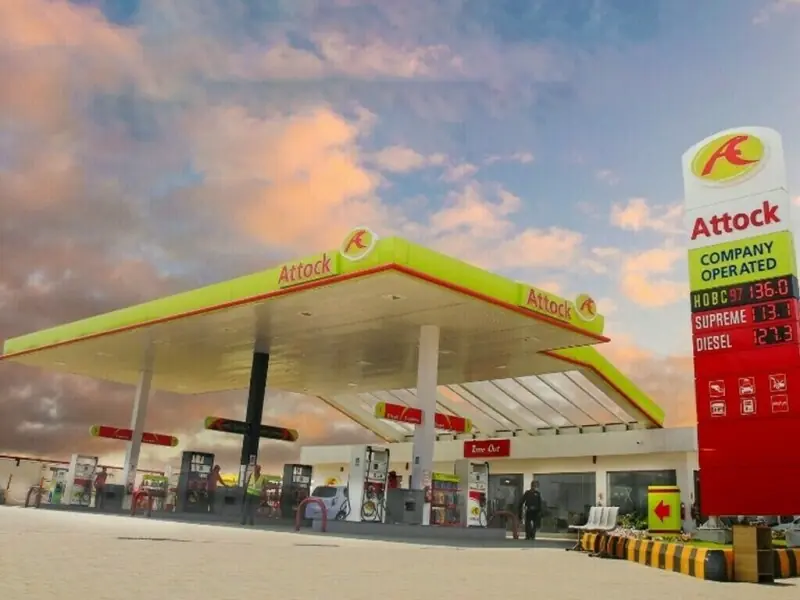
Attock Petroleum Limited (PSX: APL) was Incorporated in 1998 an oil marketing company It is part of the vertically integrated Attock Oil Group. While FY23 shareholding pattern is not available yet, FY22 annual report shows that its sponsor, Pharaon Investment Group Limited Holding s.a.l holds the largest shareholding at 34 percent, whereas other key shareholders include Attock Refinery, Pakistan Oilfields Limited, and Attock Oil Company as shown in the illustration. APL has a has a strong retail network with over 700 retail outlets nationwide and is engaged in the marketing and distribution of numerous petroleum products including High-Speed Diesel, Premier Motor Gasoline, Furnace Oil, Bitumen, Kerosene and Lubricants etc. along with a range of automotive and industrial grades lubricants. APLHistorical performance The financial performance of Attock Petroleum Limited (APL), like other oil marketing companies (OMCs), is heavily influenced by volumetric sales of petroleum products. In FY16, the company’s volumes were significantly affected by the phasing out of furnace oil, leading APL to reduce its exposure in this segment due to unattractive margins, which consequently resulted in a loss of market share. However, FY17 marked a strong rebound with revenue growth driven by increased volumes, boosting earnings by 38 percent year-on-year. In FY18, APL’s revenues continued to grow, supported by high petroleum prices and increased sales volumes. The rise in prices led to inventory gains and higher gross margins. Despite this, profit growth was limited to 7 percent year-on-year due to the reversal of other charges provisions and significant exchange losses caused by currency depreciation. FY19 saw a slowdown in volumetric growth due to falling crude oil prices and a sharp depreciation of the rupee. Monetary and fiscal tightening further pressured the OMC sector, resulting in inventory and exchange losses. Although APL’s topline grew by 26 percent year-on-year due to higher petroleum prices, volumes declined by 11 percent, primarily in furnace oil and high-speed diesel sales, leading to a 30 percent drop in earnings. FY20 was particularly challenging, as the COVID-19 pandemic caused demand destruction. APL’s earnings plummeted to Rs1 billion, impacted by inventory losses, a decline in volumes, and higher finance costs due to elevated interest rates. Volumes sold dropped by 11 percent year-on-year, with diesel experiencing the steepest decline, followed by petrol and furnace oil. FY21 marked a recovery for APL, with its bottom line surging fivefold and fourth-quarter earnings increasing ninefold. While overall topline growth declined by 6 percent year-on-year, a 20 percent increase in volumes in the fourth quarter, coupled with a recovery in oil prices and changes in the domestic petroleum pricing format, drove significant revenue growth and gross margin improvement. Additional support came from impairment reversals and a decline in finance costs. In FY22, APL reported an impressive 3.5 times increase in earnings, supported by a 96 percent growth in revenues. This was driven by a 22 percent rise in sales volumes, exceeding the overall industry growth of 14 percent, and a 47 percent increase in average selling prices. Notably, high-speed diesel posted the largest growth at 36 percent year-on-year. Market share rose to 10 percent, aided by the addition of 63 new retail outlets. Inventory gains contributed significantly, with gross margins quadrupling year-on-year. However, operating expenses, other charges, and exchange losses from a 30 percent PKR devaluation partially offset these gains. FY23, however, was a challenging year for OMCs, marked by declining volumes due to economic slowdown, weaker demand, and rising prices. Industry-wide oil sales dropped 27 percent year-on-year, a record low since FY06, excluding the pandemic-hit FY20. APL’s revenue grew 28 percent year-on-year, solely due to price increases, as volumetric sales fell by 24 percent. High-speed diesel sales declined by 27 percent, motor spirit by 14 percent, and furnace oil by 37 percent. Gross margins shrank from 11 percent in FY22 to 5.5 percent due to substantial inventory losses, while finance costs surged 44 percent year-on-year due to higher interest rates and delayed payment markups. Consequently, APL’s earnings fell by 33 percent, with the company declaring a final cash dividend of Rs15 per share. FY24 saw a modest recovery in earnings for APL despite continued pressure on industry volumes. Sales volumes declined 8 percent year-on-year amid weak economic activity, inflation, and fuel smuggling, while net sales rose 11 percent to PKR 526 billion, driven largely by higher prices. Gross margins compressed further from 5.5 percent in FY23 to 4.2 percent due to inventory losses, resulting in a 16 percent decline in gross profit. However, lower operating expenses and a sharp rise in finance income—on the back of higher cash balances and yields—helped offset margin pressure. Consequently, APL posted record earnings of PKR 13.8 billion (EPS: PKR 111), up 11 percent year-on-year, despite a challenging operating environment. APL FY25 financial performance APL delivered a weaker performance in FY25 following an exceptionally strong FY24. Earnings declined 25 percent year-on-year, alongside a 10 percent contraction in revenue. The company paid a total dividend of Rs25.5 per share for the year, including a final payout of Rs13. The topline pressure stemmed from softer average petroleum prices and an unfavourable product mix: motor gasoline prices eased, fuel oil offtake fell sharply, and overall volumes remained subdued despite a seasonal uptick toward year-end. Momentum improved in the fourth quarter, with net sales rising at a double-digit pace quarter-on-quarter as volumes recovered during the Kharif sowing season. However, this rebound was insufficient to offset full-year weakness. Gross profit declined around 15 percent, with margins easing to 3.97 percent, reflecting limited inventory gains amid relatively stable international oil prices. That said, fourth-quarter margins improved year-on-year due to smaller inventory losses. Costs and income dynamics also weighed on profitability. Operating expenses rose approximately 13 percent year-on-year, while finance costs increased 24 percent. At the same time, finance income fell about 25 percent as interest rates trended lower. Some support came from higher income from associates, benefiting from a relatively improved refining environment during parts of the year. Operationally, APL’s sales volumes fell 6 percent year-on-year to around 1.4 million tons, reducing market share to about 8.8 percent from roughly 9.9 percent in FY24. The decline was driven largely by a near-48 percent drop in fuel oil volumes, while non-fuel-oil sales posted modest growth. This shift in mix, combined with softer retail prices, capped inventory gains, and constrained gross profitability. Overall, FY25 underscored APL’s sensitivity to inventory movements and interest income in a weak demand cycle, while falling market share highlights intensifying competition across the OMC sector. Even so, the company exited the year with a sound balance sheet, consistent dividend payouts, and improved contributions from associates. APL in FY26 and beyond In 1QFY26, Attock Petroleum Limited delivered a strong rebound in profitability, with earnings rising 60 percent year-on-year to Rs3.8 billion, despite largely flat revenues. The improvement was driven by a sharp expansion in gross margins to 6.4 percent—the highest since September 2023—supported by better inventory gains and a recovery in key product volumes. High-speed diesel sales increased 12 percent year-on-year, while motor gasoline volumes rose 3 percent, reflecting seasonal demand and improved offtake. Although finance income declined year-on-year amid falling interest rates, it remained sizable due to APL’s large investment base, providing continued support to earnings. Looking ahead, FY26 performance will hinge on the sustainability of margins rather than topline growth. While volumes may see a modest recovery, especially outside fuel oil, gross profitability will remain sensitive to inventory movements and international price trends. Declining interest rates could gradually reduce finance income, partially offsetting operational gains. APL’s sizeable cash position, steady associate contributions, and disciplined balance sheet provide downside protection, but competitive pressures and weak sector demand limit near-term upside. Overall, FY26 is likely to deliver normalized earnings, with quarterly volatility driven by price swings, seasonal demand, and inventory dynamics.