


 Business Recorder
 Earthquake preparedness in Karachi
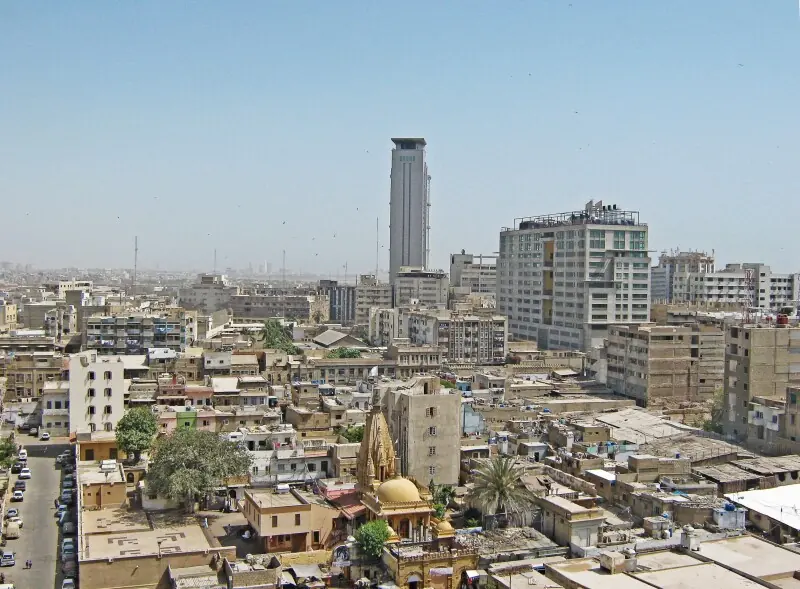
EDITORIAL: While the 5.2-magnitude earthquake that jolted parts of Karachi on December 16 caused panic among residents, it thankfully resulted in no loss of life, injuries or major infrastructural damage. However, its recurrence after dozens of mild tremors since June has heightened concerns about the city’s disaster preparedness — from the absence of basic earthquake safety drills and public awareness protocols to more worrying questions regarding how the city’s buildings and critical infrastructure are designed, regulated and constructed in an unplanned, rapidly expanding metropolis. Geography offers a sobering reminder of Karachi’s seismic reality: the city lies within the tectonically active Karachi Arc near a triple plate junction off the Makran coast where the Eurasian, Indian and Arabian plates converge. The risks posed by this geography are not theoretical. The region has a proven history of devastating events, including the 1945 Makran earthquake and tsunami, which killed nearly 4,000 people in Karachi. In more recent times, there have been other major seismic events in the wider region, such as the 2013 Awaran earthquake. A 2024 study examining the potential impact of a major earthquake and quake-triggered tsunami on Karachi presents a frightening scenario. In a city characterised by extreme population density, weak zoning controls, poorly enforced building codes and unregulated vertical growth, the consequences would likely be devastating. While the coastal belt and the ports would bear the brunt of the initial shock, the danger would not be confined to the shoreline. Fragile transport networks, utilities and especially poorly regulated high-rise buildings across the city would face substantial risk of structural failure. Yet there is remarkably little public or policy-level discussion on earthquake-resilient infrastructure. The city’s rapid vertical expansion has largely proceeded without serious scrutiny of whether high-rise buildings are anchored to foundations capable of absorbing seismic forces. Furthermore, large parts of the metropolis rest on water-saturated, compressible sediments prone to liquefaction, while decades of groundwater over-extraction have caused subsidence in some areas of up to 17-21 millimeters annually, further weakening foundations. The Landhi, Korangi and Malir localities are especially vulnerable in this regard. Despite these clear geotechnical vulnerabilities, techniques such as deep piling and raft foundations, standard practice in earthquake-prone cities worldwide, remain inconsistently applied, if at all. These gaps reflect a deeper regulatory failure. Building codes must urgently incorporate seismic-resilience requirements, and systematic surveys are needed to identify structures with weak or inadequate foundations so that retrofitting and risk-mitigation measures can be enforced. Although the 2005 earthquake in northern Pakistan prompted national conversations around safer construction, those lessons were never meaningfully translated into enforceable standards for Karachi. Allowing this disconnect to persist, as the city continues to build upwards, is a risk it can no longer afford. Moreover, what Karachi also urgently needs is a comprehensive soil and geological mapping exercise that focuses on understanding soil stability across the city and integrating the findings into zoning laws, ensuring that construction aligns with the geotechnical realities of each area. Groundwater extraction must be strictly regulated and natural recharge zones restored to halt subsidence and safeguard building foundations. Equally critical is public preparedness: mass education campaigns on earthquake safety drills, clearly marked evacuation routes and the promotion of household emergency kits can empower residents to act swiftly when disaster strikes. Ultimately, these initiatives need to be woven into Karachi’s long-term urban planning frameworks, guided by lessons from global experiences such as the 2004 Indian Ocean tsunami, where affected countries bolstered resilience through detailed geotechnical mapping, rigorous building standards and comprehensive public education on disaster readiness. City and provincial authorities can no longer delay action and must take immediate responsibility for Karachi’s earthquake preparedness. Copyright Business Recorder, 2025