


 Business Standard
 Ukraine deploys low-cost interceptor drones to counter Russia's air attacks
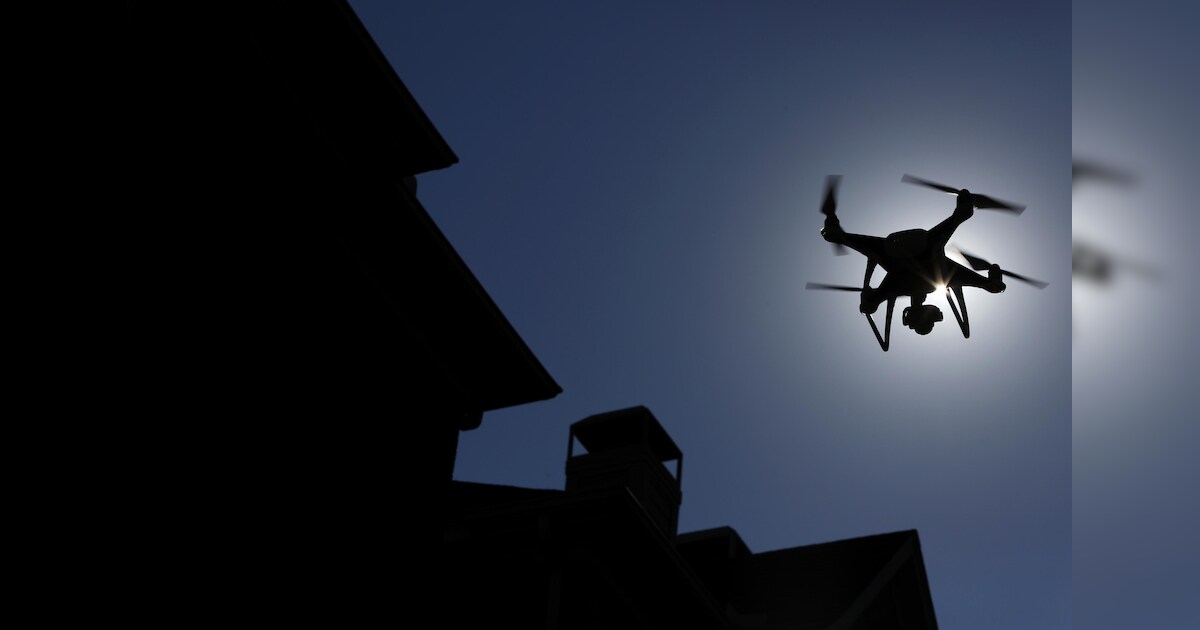
The icy ground crackling under their feet, members of an elite Ukrainian drone-hunting team set up for a long night. Antennas and sensors are clipped to a light stand. Monitors and controls are pulled from hard cases, and a game-changing new weapon is readied for deployment. The Sting, shaped like a flying thermos, is one of Ukraine's new homegrown interceptors. The unit's commander says the interceptors can effectively counter Russia's fast-evolving suicide drones, which are now flying faster and at higher altitudes. Every destroyed target is something that did not hit our homes, our families, our power plants, said the officer, known only by the call sign Loi, in line with Ukrainian military protocol. The enemy does not sleep, and neither do we. Nightly attacks on Ukrainian cities and power infrastructure have forced Kyiv to rewrite the air defense rule book and develop cut-price drone killers costing as little as $1,000. Interceptors went from prototype to mass production in j