


 The Guardian
 Reward countries that toe the line, punish those that don’t: that’s how Trump is exerting control in Latin America | Jordana Timerman
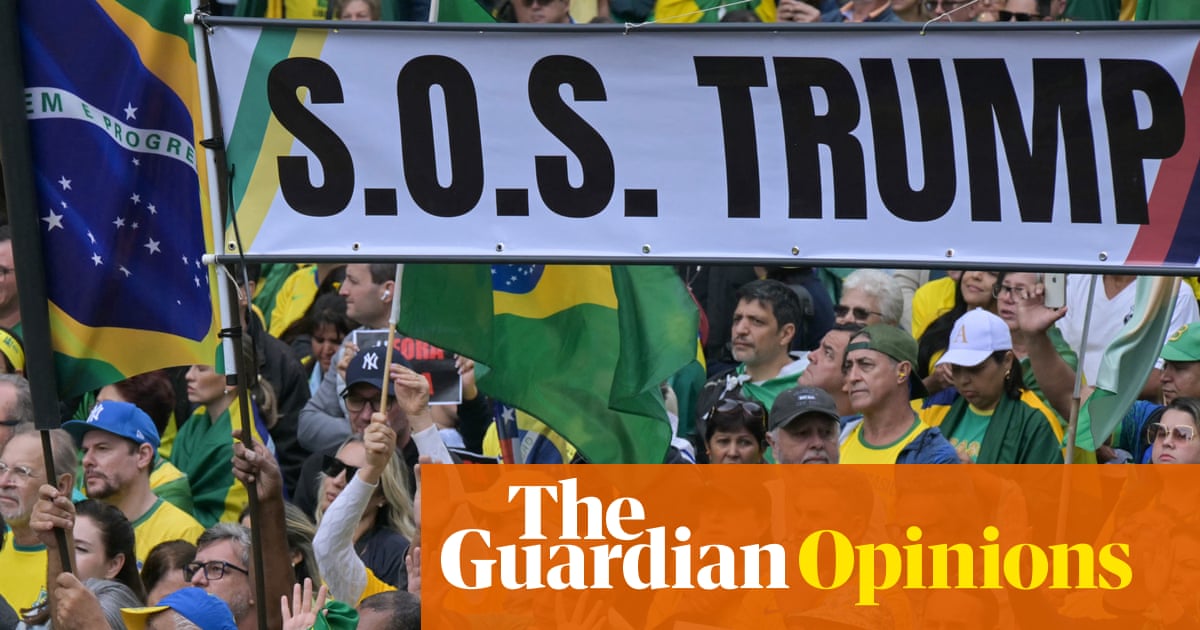
His interference in the region has been aided by the collapse of the leftist forces that once pushed back against US imperialism For the past generation, Latin America has been a place of unstable stability. Marked on the surface by protests, political pendulum swings and spectacular scandals, most of the region has, since the democratisation of the 1980s and 1990s, remained firmly democratic and free of war between states. Though scarred by the violence of armed groups and increasingly powerful criminal organisations, it has, by and large, lived up to its self-assumed moniker of a “zone of peace”. Which is why this year has felt so jarring. Throughout 2025, the first year of Donald Trump’s second term, analysts have obsessively parsed potential US military incursions into a hemisphere once defined by its unified defence of national sovereignty. But the fixation on whether Washington’s escalating pressure on Nicolás Maduro presages a physical military invasion of Venezuela has distracted from the real story: the larger shift towards direct intervention has already happened, and it has faced remarkably little resistance. More than 100 people have been killed in US maritime strikes that experts characterise as extrajudicial executions , and the loudest objections have come not from Latin American presidents or regional organisations, but from the US Congress. Jordana Timerman is a journalist based in Buenos Aires. She compiles the Latin America Daily Briefing and is part of the Ideas Letter’s editorial team Continue reading...