


 Business Recorder
 PIA privatisation: the last stand of the status quo: The attacks are not over. If anything, they are only beginning
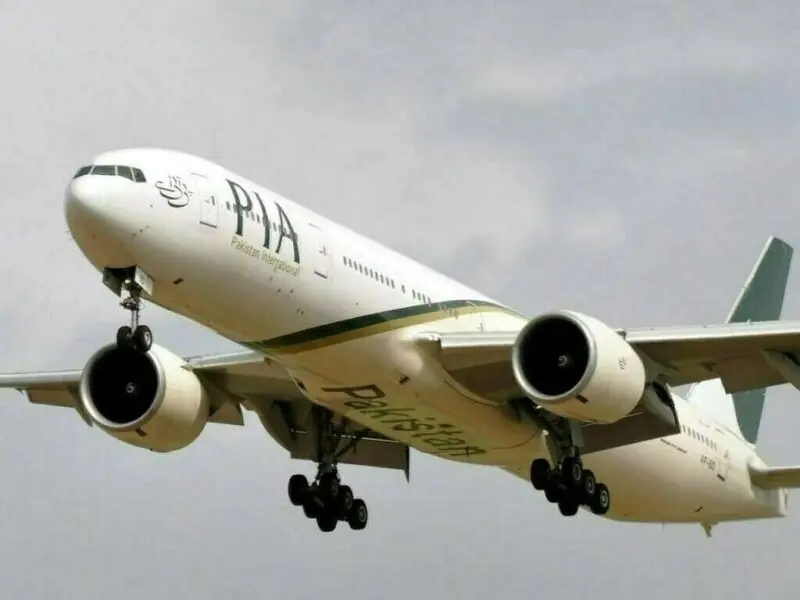
As the bidding process for Pakistan International Airlines reaches its decisive stage, the entrenched status quo is also preparing its final push. Once the bids are in and the reserve price disclosed, the playbook will be familiar and already rehearsed: assail the valuation, question the bona fides of shortlisted bidders, portray the transaction structure as opaque or predatory, invoke labour rights, sovereignty, and national pride, and finally, if all else fails, invite procedural delay through litigation and judicial overreach. In a normal country, some of these concerns might merit serious pause. Privatisation is rarely elegant. In developing economies in particular, the risks of sweetheart deals, politically connected business groups, and public assets being hived off at throwaway prices are real and well-documented. Scepticism, in the abstract, is not irrational. But Pakistan is not a normal country. And PIA is not a normal state-owned asset. Over the last decade, the dominant risk in Pakistan has not been private capture of the state. It has been the reverse. Public-private partnerships have been retrospectively criminalised. Sovereign-backed contracts have been reopened and renegotiated under political pressure. Inquiry committees and investigative agencies have routinely been unleashed after capital was sunk, not to improve governance but to assign blame. Even foreign investors, armed with contracts and treaty protections, did not emerge unscathed from attempts to renegotiate terms ex post. This history matters. It fundamentally alters the incentive structure confronting any bidder contemplating PIA purchase. An airline is among the most unforgiving businesses imaginable. Capital intensity is brutal. Operating leverage is merciless. Safety, insurance, and regulatory compliance costs are non-negotiable. Political interference destroys value almost immediately. There is no quiet way to extract rents, no slow bleed that can be disguised as efficiency. In aviation, incompetence shows up quickly, and so does greed. Against that backdrop, the notion that bidders are lining up to loot PIA through favouritism is analytically weak. The expected upside from abuse is capped. The downside from mismanagement is catastrophic. The scrutiny is relentless. The capital commitment is real. And the exit options are limited. This is precisely why the stepping away from direct bidding of one sponsor group should not raise eyebrows. It is in fact a credibility safeguard, avoiding the inevitable “state selling to itself” narrative that would have contaminated the process. Its prospective re-entry later, as a minority partner, may not so much be about control or extraction. It is in fact insurance against sovereign habits: abrupt policy reversals, politicised inquiries, and the chronic inability of the state to let contracts survive across governments. In Pakistan, the insurance problem is not commercial failure. It is sovereign behaviour after capital is sunk. Critics have also fixated on price, as if headline value alone determines the success or failure of a privatisation. This is dangerously simplistic in PIA’s case. If the airline is genuinely to be turned around, price cannot be the sole driver. The state must evaluate bidders on far more than the cheque they are willing to write on day one. Business plans matter. Turnaround history matters. Corporate governance, financial depth, banking relationships, performance, reputation and track record of the bidder’s existing businesses all matter. An airline cannot be revived by amateurs, nor can it survive owners incentivised to strip assets rather than rebuild operations. Scepticism, therefore, is justified only in a narrow and specific sense. It would be warranted if the Privatisation Commission were to contort rules post hoc to favour a bidder with a history of corporate raiding, where prized routes and slots risk becoming liquidation fodder. It would be warranted if a competing airline with a demonstrably poor customer service were privileged merely because it offered a marginally higher price. That may be a legitimate cause for concern. But blanket suspicion, detached from capability and context, is something else entirely. It amounts to a veto on change. Labour objections have followed a similar pattern. International statements from bodies that frame “unilateral privatisation” as unacceptable, elevating job security to an absolute divorced from solvency. What goes unacknowledged is that PIA has already destroyed jobs through decay, stagnation, and loss of relevance. The choice is not between privatisation and protection. It is between an orderly transition and a chaotic collapse financed indefinitely by taxpayers who were never consulted. The uncomfortable truth is this: in an economy where PPP investors were punished, IPPs vilified, contracts reopened, and foreign capital dragged into disputes, the real puzzle is not why critics are suspicious. It is why anyone is still willing to show up at all. Persisting with a bid for PIA is not opportunism. It is an assumption of political, legal, reputational, and macroeconomic risk in a country that has disappointed nearly everyone who has gone long on it. That does not mean this privatisation is risk-free. It is not. It does mean that delay, dressed up as prudence, is no longer neutral. In PIA’s case, delay is value destruction. And the loudest attacks that will follow the reserve price disclosure should be understood for what they are: a final attempt by the status quo to preserve paralysis, even at the cost of killing the last credible test case of reform. The question is no longer whether this process is perfect. It is whether Pakistan can afford to prove, once again, that no serious deal is ever allowed to survive.