


 Business Recorder
 Concerns voiced over budgetary constraints facing PBM: NA panel sees major advancements in BISP’s digital wallet system
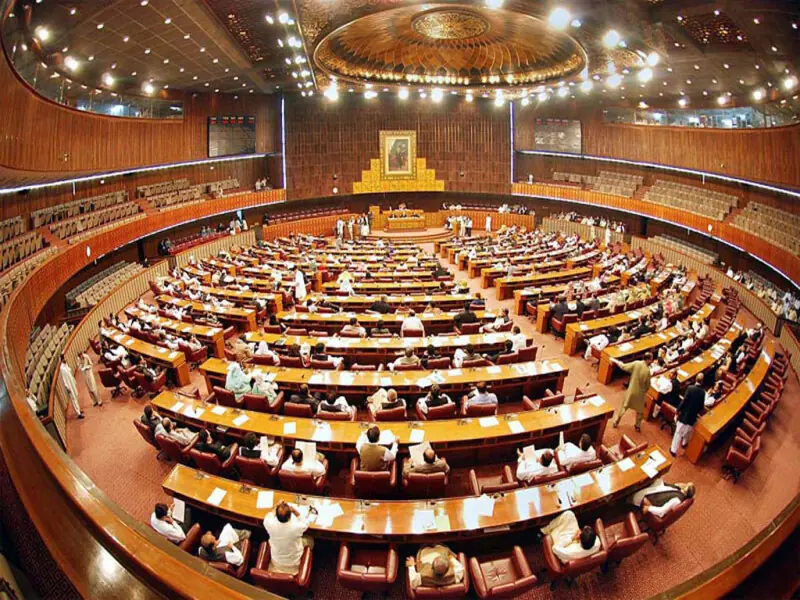
ISLAMABAD: The National Assembly’s Standing Committee on Poverty Alleviation and Social Safety reviewed the progress of key social welfare programmes, announcing major advancements in the Benazir Income Support Programme (BISP)’s digital wallet system and expressing concerns serious budgetary constraints facing Pakistan Bait-ul-Mal (PBM). The committee met here on Monday with Mir Ghulam Ali Talpur in the chair. The meeting was convened to review the operational timelines and financial sustainability of the nation’s primary social welfare initiatives. The session yielded significant updates on digitalization efforts and budgetary challenges, underscoring a concerted push for greater transparency and efficiency in public assistance programmes. The secretary of the Benazir Income Support Programme (BISP) informed the committee that the programme’s digital transformation was progressing ahead of schedule. He said a pilot phase of the digital wallet system would be launched in Azad Jammu and Kashmir in January or February, with full rollout for 10 million beneficiaries expected to be completed by March 2026. He further elaborated that 3.7 million SIMs linked to limited mandated accounts have already been issued, with digital wallets activated. He confirmed that the BISP’s next quarterly instalments will be disbursed through this mechanism. He said that on the critical issue of interoperability, a three-month timeline has been established for One Link to deliver an integrated solution, after which beneficiaries will be able to utilize their wallets for online payments and cash withdrawals at ATMs of any of the six partner banks and their POS agents. The Secretary of BISP requested the committee’s support in ensuring consistent banking access for beneficiaries and suggested exploring an arrangement with the One Link, similar to that it has with the Federal Board of Revenue (FBR), to facilitate seamless payments. Conversely, the Pakistan Bait-ul-Mal presented a pressing budgetary shortfall. The PBM Director of Finance informed the committee that the organisation’s allocated budget of 14.2 billion rupees against an original requirement of 18.5 billion rupees was quite insignificant, as its current quarter budget has already been exhausted. He said that despite this strain, the PBM Board has approved a substantial increase in its financial assistance thresholds, raising the monthly requirement for beneficiaries for financial assistance from 37,000 to 74,000 rupees and enhancing educational stipends from 100,000 to 150,000 rupees. He said that the Managing Director of PBM noted that approximately 38-39 percent of PBM grants are dedicated to medical assistance, and the institution has formally submitted its budgetary demands for the 2026-27 fiscal year, factoring in inflationary pressures and rising medical costs. He expressed confidence that the government would approve this increase to enable PBM to serve a larger segment of the vulnerable population. The committee issued several directives to strengthen accountability and oversight. He mandated PBM to submit a detailed report on hospitals blacklisted for corrupt practices and to investigate allegations of partisan behaviour by its hospital desk staff, who have been accused of selectively providing information to beneficiaries. The committee emphasised the necessity of a robust second-balance audit mechanism to detect any pilferage of funds within hospital networks or PBM activities. Furthermore, the Committee requested a comprehensive list from BISP detailing all media outlets where advertisements worth 240 million rupees were placed, the duration and contractual pay of all of its consultants, and a provincial and departmental breakdown of the 134 deportations that are currently serving in the programme. In other developments, the PBM Managing Director highlighted ongoing vocational initiatives, including training programmes for 20,000 women, with a new cohort to commence in six months, and the incorporation of courses for the national and international job markets. He also brought to light a regional disparity, noting a significantly lower demand for cochlear implants in Sindh compared to Khyber Pakhtunkhwa and Punjab, and formally sought the committee’s assistance in advancing legislation to mandate universal newborn hearing screening to ensure timely medical intervention. The Committee concluded by underscoring that systemic constraints, particularly PBM’s funding limitations and human resource challenges, are severely hindering the efficacy of the social safety net. The Committee resolved that a subsequent meeting shall be held in Karachi, bringing together presidents from the six partner banks, 1-Link (Private) Limited, and the State Bank of Pakistan, to assess the progress of the BISP digital wallet project and facilitate strategic alignment. Copyright Business Recorder, 2025