


 The Huffington Post
 Keir Starmer Urged To Tighten EU Ties As Businesses Warn Of Growing Trade Friction
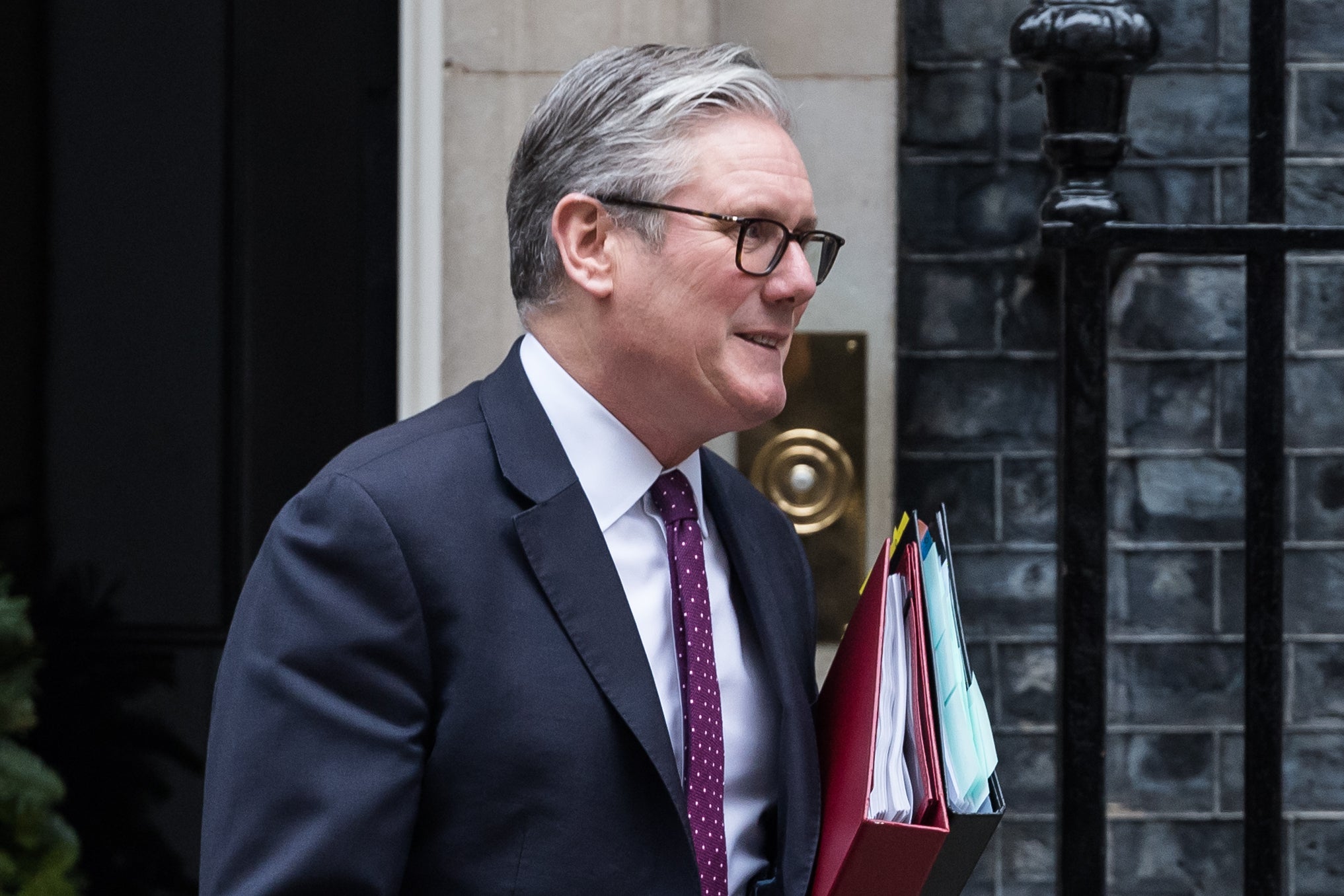
UK Prime Minister Sir Keir Starmer departs 10 Downing Street for the House of Commons to attend the Prime Minister's Questions (PMQs) in London, United Kingdom on December 17, 2025 Keir Starmer has been urged to introduce even closer EU ties as businesses fear trade with the bloc is getting harder post- Brexit . A new survey from the British Chamber of Commerce (BCC) found more than half (54%) of exporters believe the UK-EU trade deal is not helping them increase sales – a surge of 13 percentage points compared to this time last year. Just four out of 946 firms (0%) said the government support on dealing with trade policy changes is comprehensive, too. The businesses took issue with the trade and co-operation agreement set up on Christmas Eve in 2020 under Boris Johnson’s government, which was meant to allow tariff-free trade with the bloc. But rules on business mobility, and red tape, have still caused significant issues, particularly on limits to freedom of movement which impacts staffing and recruitment. The survey also comes amid growing calls for the UK to join a customs union with the EU – including from both deputy prime minister David Lammy and health secretary Wes Streeting. The BCC’s Director of International Trade, Steve Lynch, said: “With a Budget that failed to deliver meaningful growth or trade support, getting the EU reset right is now a strategic necessity, not a political choice. “Trade is the fastest route to growth, yet firms tell us it is becoming harder, not easier, to sell into our largest market.” He added that Starmer’s 2025 reset of relations with the EU has helped, but “businesses need much more” – like “clarity, certainty and delivery at pace”. Lynch said: “Businesses do not want a future with the EU where they constantly have to manage friction and are beset with recurring crises. They want a mature, stable relationship that underpins trade, investment and security. “That means agreeing deals on food checks, emissions trading and electricity, restarting defence cooperation, and finding a pragmatic path on youth mobility. “But it also means committing to a framework that builds deeper cooperation, provides better regulatory dialogue and leads to fewer shocks. “Without that strategic horizon, trade issues will keep piling up at the UK’s door, but with it, businesses on both sides of the Channel can plan, invest and drive growth.” The BCC called for a deeper agreement with the EU on animal and plant products, a youth mobility scheme and full UK participation in the EU’s Defence Finance Initiative. Related... No, Labour Has Not Said It Might Delay The Next General Election Why Even Labour MPs Believe This Christmas Will Be Starmer's Last As PM Watchdog Sounds The Alarm Over Labour's Offer To Delay More Local Elections