


 Ruptly
 Anger, frustration, helplessness - Nuevo Leon residents demand 'transparency' as Mexico releases El Cuchillo Dam to repay US water debt
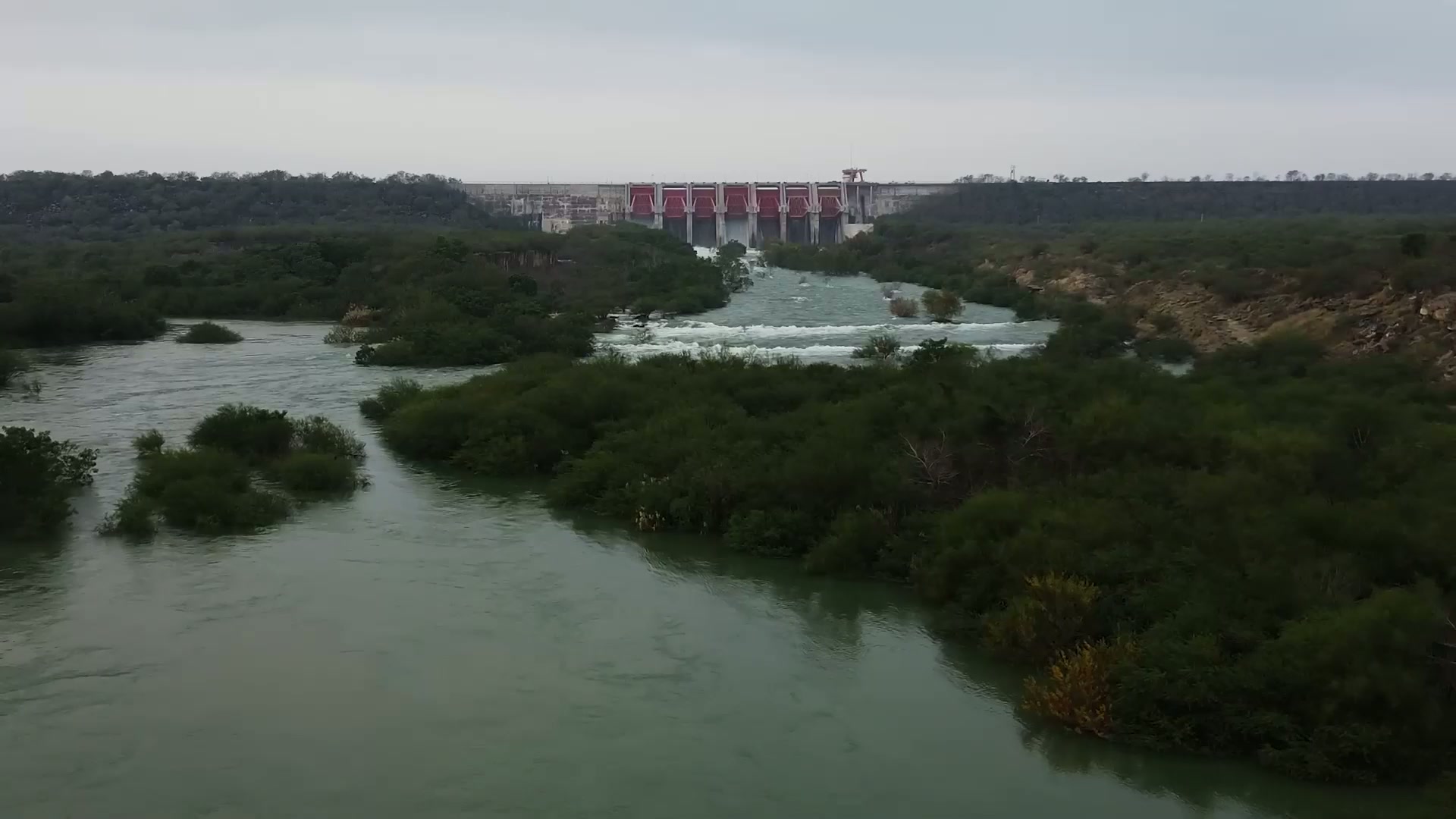
"Residents from different areas of Nuevo Leon expressed their opposition to the government, after Mexico began paying off its water debt to the US on Monday by opening the El Cuchillo Dam. Drone footage captures the water from the San Juan River being released through one of the gates of the El Cuchillo. "Not long ago, we were experiencing the crisis when we did not have water, just for the most basic needs, and now with this news, it could be the same or worse," expressed a resident of Monterrey during an interview on Monday. Others echoed his opinion in response to the dam release, criticising the authorities for not informing locals beforehand and sharing their despair amid the situation. "It is a feeling of anger, frustration [...] they paint things very nicely for us, and then with things like this you feel thrown off, because we are just barely coming out of that drought we went through, and now this," said another local. "They may say the rains are coming, but sometimes it does not rain here in Monterrey and the dams will not refill. And it will affect us a lot. We will be rationed every day again," noted a resident. He also underlined that the potential water shortage could heavily impact vulnerable groups in society, including children and elderly. "There is no transparency, helplessness because you cannot do anything. The opinion of citizens is not taken into account in these cases. What they wanted to do was already done, so the opinion of citizens was useless," echoed the sentiment another resident of Monterrey. On Monday, December 22, Mexico began repaying its water debt to the US under the Water Treaty by releasing 150 million cubic metres - 16.4 per cent of El Cuchillo Dam's capacity, marking the third release of this year. General Bravo authorities of Nuevo Leon warned residents to avoid the San Juan River due to elevated water levels and associated safety risks. It comes just over two years after the state experienced its worst drought in decades, causing a severe water crisis in Monterrey and nearby municipalities. Climate change, historic low water levels in reservoirs prompted extensive water cuts and emergency rationing for hundreds of thousands of residents, which led to widespread protests in the region, according to media reports."