


 Business Recorder
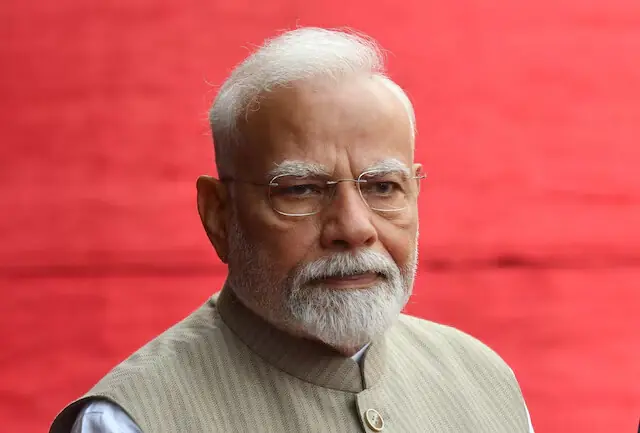
 India begins to ponder life after Narendra Modi
MUMBAI: India will start to contemplate its next leader. By the end of 2026, Prime Minister Narendra Modi will be halfway through his third five-year term. The 75-year-old’s tenure has delivered a strong and pro-business government for over a decade. A fourth stint in office is possible but improbable, as his Bharatiya Janata Party’s majority has faded and anti-incumbency sentiment is likely to grow. Questions over who follows will become more urgent. The prime minister remains hugely popular. In November, Modi led a ranking of leaders from 24 major countries compiled by U.S. data firm Morning Consult, with a 71% approval rating. He’s on track to complete 15 years in power, just shy of the tenures of Jawaharlal Nehru, the first prime minister of independent India, and Indira Gandhi. Modi’s electoral dominance springs from a powerful combination of economic triumphalism and a successful translation of Hindu religious fervour into voting behaviour, says Suhas Palshikar, former professor of political science at Savitribai Phule Pune University. His implementation of overdue reforms in tax, bankruptcy, and labour laws – alongside efforts to narrow India’s fiscal and current account deficits – has anchored macroeconomic stability and strengthened his appeal among businesses. India PM Modi faces opposition fury after Trump’s 25% tariff threat If Modi exits the stage, there are three main scenarios. The most likely outcome at the moment is that a successor could rise from within the BJP, perhaps Amit Shah, his right-hand man and home affairs minister, or Maharashtra state Chief Minister Devendra Fadnavis, who is overseeing an overhaul of Mumbai’s public infrastructure. For now, there is no sign of any internal challenger. Alternatively, Modi’s current ally could mount a bid to head a coalition. That could be N. Chandrababu Naidu or his son Nara Lokesh, whose Telugu Desam Party rules the rich southern state of Andhra Pradesh. The duo is shepherding a massive investment push, including a $15 billion data centre initiative by Alphabet’s, opens new tab Google. Finally, the BJP’s opponents might form a government led by Rahul Gandhi, the Congress leader of the opposition in parliament, or perhaps even his charismatic sister Priyanka. Yet whoever comes next is unlikely to enjoy the same level of support as Modi. A weaker leader will rely on cash handouts and other welfare measures to boost their party’s popularity, which poses a threat to India’s fiscal prudence and quality of its spending. Meanwhile, a fragmented coalition would herald the return of multiple power centres and increase corruption. These anxieties will start bubbling to the surface.