


 Ruptly
 Crude reminder - Natural oil springs reveal Venezuela's forgotten pre-industrial story
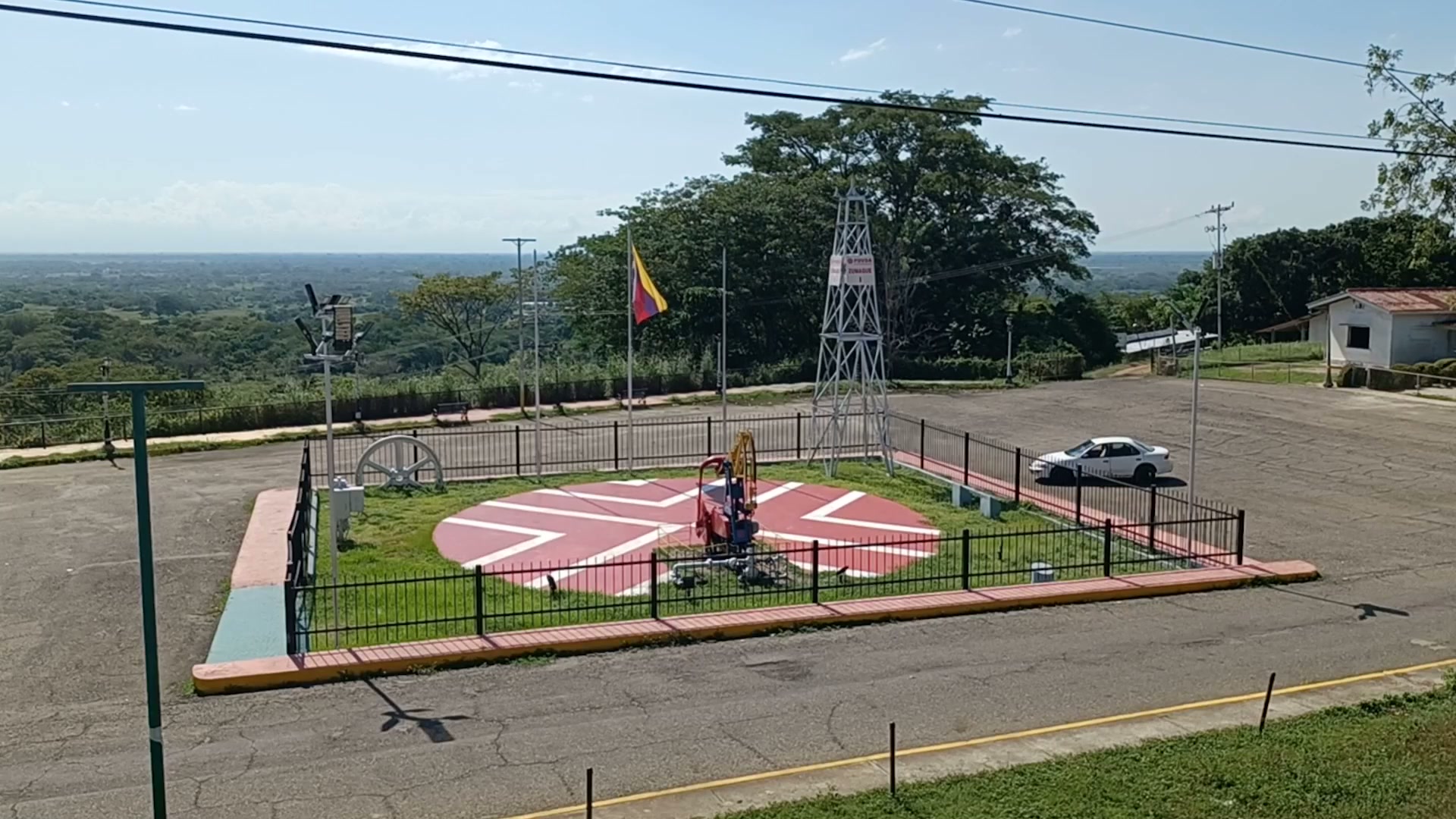
"In Venezuela’s Zulia region, natural oil seeps, known locally as 'menes', can still be seen emerging from the ground, a phenomenon that predates industrial drilling and continues to symbolise the country’s vast underground wealth. These natural manifestations of crude oil rise to the surface without human intervention and have been part of local life for centuries, particularly around the town of Mene Grande. “Wherever we step, at least around La Estrella or Cerro de la Estrella, we always find oil sinkholes and it is never unusual for a new one to appear,” said Antonie Caselliz, curator of the Antonie Van der Mark Science Museum in Mene Grande. Far from being simple geological curiosities, the oil seeps have long been used by residents for practical purposes. Locals collect the naturally bubbling crude to waterproof roofs and reinforce the entrances of their homes. “We are truly in a very rich place, very privileged,” Caselliz added. Oil also holds deep cultural and historical significance in the region. Indigenous communities once used it for medicinal purposes and to seal their canoes, embedding petroleum into the area’s heritage long before commercial exploitation began. Mene Grande is historically significant as the site of Zumaque I, the well that marked the beginning of Venezuela’s commercial oil era and drew foreign investment to the country. Today, the well remains symbolically active, producing just over a dozen barrels per day. Replicas, historical artefacts and educational displays at the Antonie Van der Mark Museum continue to document this legacy, showcasing how naturally surfacing oil helped shape both the local community and Venezuela’s national identity."