


 The Huffington Post
 How 10 Years Of Anti-Coercive Control Legislation Has Changed Everything
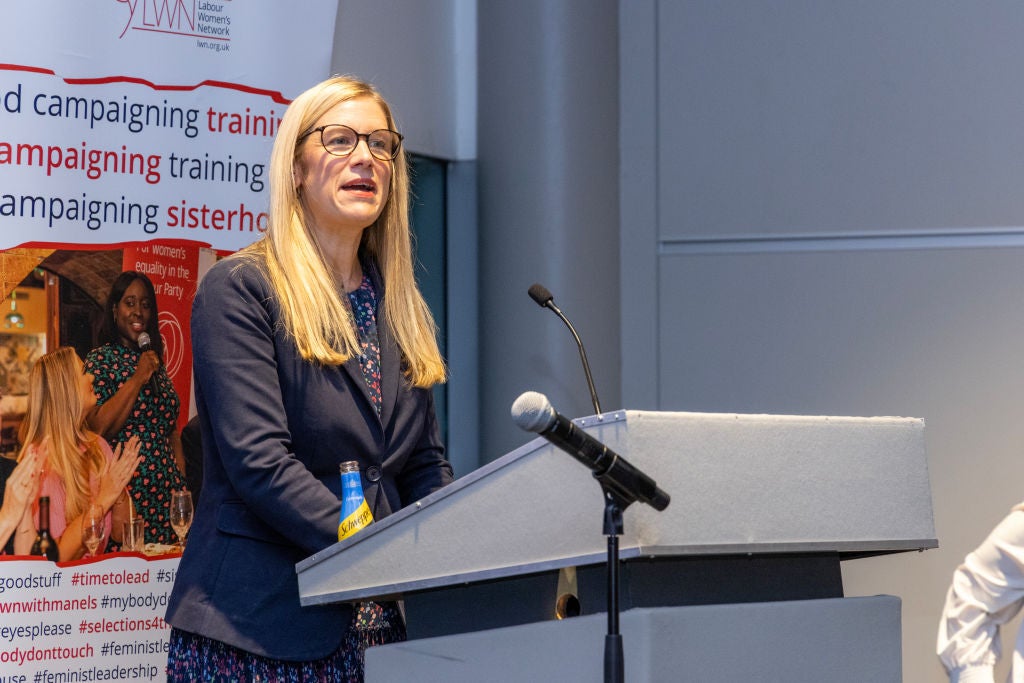
Solicitor general Ellie Reeves MP. I’ve heard women describe years of psychological torture. Partners who controlled what they wore, who they spoke to, how they spent every penny. Men who monitored phones, isolated them from family and friends, made them feel worthless, crazy, like they were losing their minds. Coercive control is domestic abuse without the physical scars. It is psychological warfare waged behind closed doors. Abusers use patterns of threats, humiliation and intimidation to trap their victims. They create invisible prisons. Women talk of living with a monster in your own home. Never knowing what will set him off. Walking on eggshells every single day. And yet, too often, these women weren’t being served by the criminal justice system. That’s why, ten years ago, on December 29, 2015, legislation was introduced marking coercive or controlling behaviour a specific offence. When the law came into force a decade ago, 53 coercive control offences were charged and reached court in the final quarter of that year. In the last quarter of 2024, more than 1,600 offences progressed to the same stage. That’s not because this is a new phenomenon. It’s because we are finally recognising it, naming it, and prosecuting it. In 2016, there were fewer than 200 cases charged by the Crown Prosecution Service (CPS), yet in 2024, there were nearly 5,000. Since 2015, these sustained increases have equated to more than 20,600 coercive control offences being charged. Each one represents a victim who found the courage to come forward, a police officer who took them seriously, and a prosecutor who built a case that demonstrated a clear pattern of coercion and control. We are finally recognising it, naming it, and prosecuting it. My role as Solicitor General means I work on ensuring that our justice system tackles violence against women and girls. It is my number one priority. I oversee the CPS, which has transformed how it handles coercive control cases, adopting trauma-informed approaches, training specialist prosecutors and building robust cases using evidence such as phone records, witness testimonies and patterns of behaviour. But more broadly, this is a government-wide challenge that we are determined to address. We have just announced our cross government Violence Against Women and Girls (VAWG) strategy, which is committed to halving violence against women and girls within a decade. More than 1,000 victims have already been protected through domestic abuse protection orders. We are embedding domestic abuse specialists in 999 control rooms, so victims get the right response from the first call. By the end of this parliament in 2029, every secondary school in England will have a credible offer for educating students about healthy and respectful relationships, with every child able to access support. A preventative and constructive step that aims to tackle younger attitudes and behaviours which allow violence against women and girls to manifest. Change is happening. But we need to do more. Too many victims still don’t recognise coercive control as criminal behaviour and something they are able to report and access support for. If you are reading this and recognising your own relationship, please know you’re not alone. Help is available and the law is on your side. Ellie Reeves is the Solicitor General and Labour MP for Lewisham West and East Dulwich. If you’re experiencing domestic abuse: Call the National Domestic Abuse Helpline on 0808 2000 247. Visit www.nationaldahelpline.org.uk In an emergency, call 999.