


 Business Recorder
 NDMA advises tourists to avoid travelling to high-altitude areas amid landslide, snowfall forecast
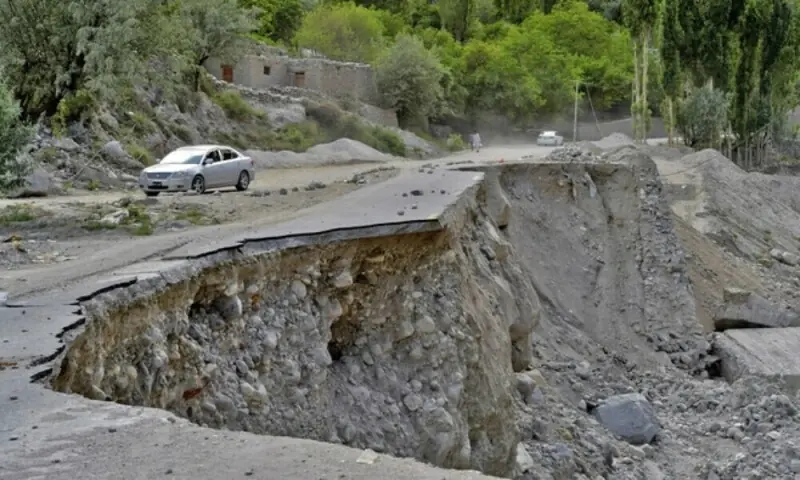
The National Disaster Management Authority (NDMA) has advised tourists to remain extra cautious and avoid unnecessary travel to vulnerable and high-altitude areas amid forecast of snowfall, landslides and avalanches. The NDMA said this in a weather advisory in view of an approaching westerly wave expected to affect various parts of the country over the next few days. According to forecasts, a westerly wave is likely to enter the western parts of the country from the night of December 29 and is expected to intensify from December 30. The system is projected to grip most upper and central parts of the country on December 31 and persist in the upper regions till the morning of January 2, 2026. “Under the influence of this weather system, snowfall may lead to road closures and slippery conditions in Naran, Kaghan, Dir, Swat, Kohistan, Mansehra, Abbottabad, Shangla, Astore, Hunza, Skardu, Murree, Galliyat, Neelum Valley, Bagh, Poonch and Haveli from the night of December 30 till the morning of January 2. There is also a likelihood of landslides and avalanches in hilly areas of upper Khyber Pakhtunkhwa, Gilgit-Baltistan and Azad Jammu & Kashmir during the same period. Read More: Landslide kills seven workers restoring water supply in Gilgit “Tourists are advised to remain extra cautious and avoid unnecessary travel to vulnerable and high-altitude areas. Meanwhile, fog conditions are expected to subside in central and southern Punjab as well as upper Sindh during the wet spell,” the disaster management authority said. In view of the anticipated conditions, the NDMA also advised all concerned Provincial Disaster Management Authorities (PDMAs), Gilgit-Baltistan Disaster Management Authority (GBDMA), State Disaster Management Authority (SDMA), ICT Administration, to ensure all necessary preparedness and response measures. Relevant authorities have been urged to remain vigilant, ensure timely dissemination of information, keep emergency response teams on alert, and take proactive measures to minimise potential risks to life, property and critical infrastructure, it said. The NDMA is closely monitoring the evolving situation and coordinating with relevant stakeholders to ensure timely response and mitigation efforts, it added. Read More: Karachi likely to receive first winter shower from tomorrow: Met Office