


 Ruptly
 'We were not included!' - Rohingya refugees in Cox's Bazar district of Bangladesh as first phase of Myanmar voting concludes
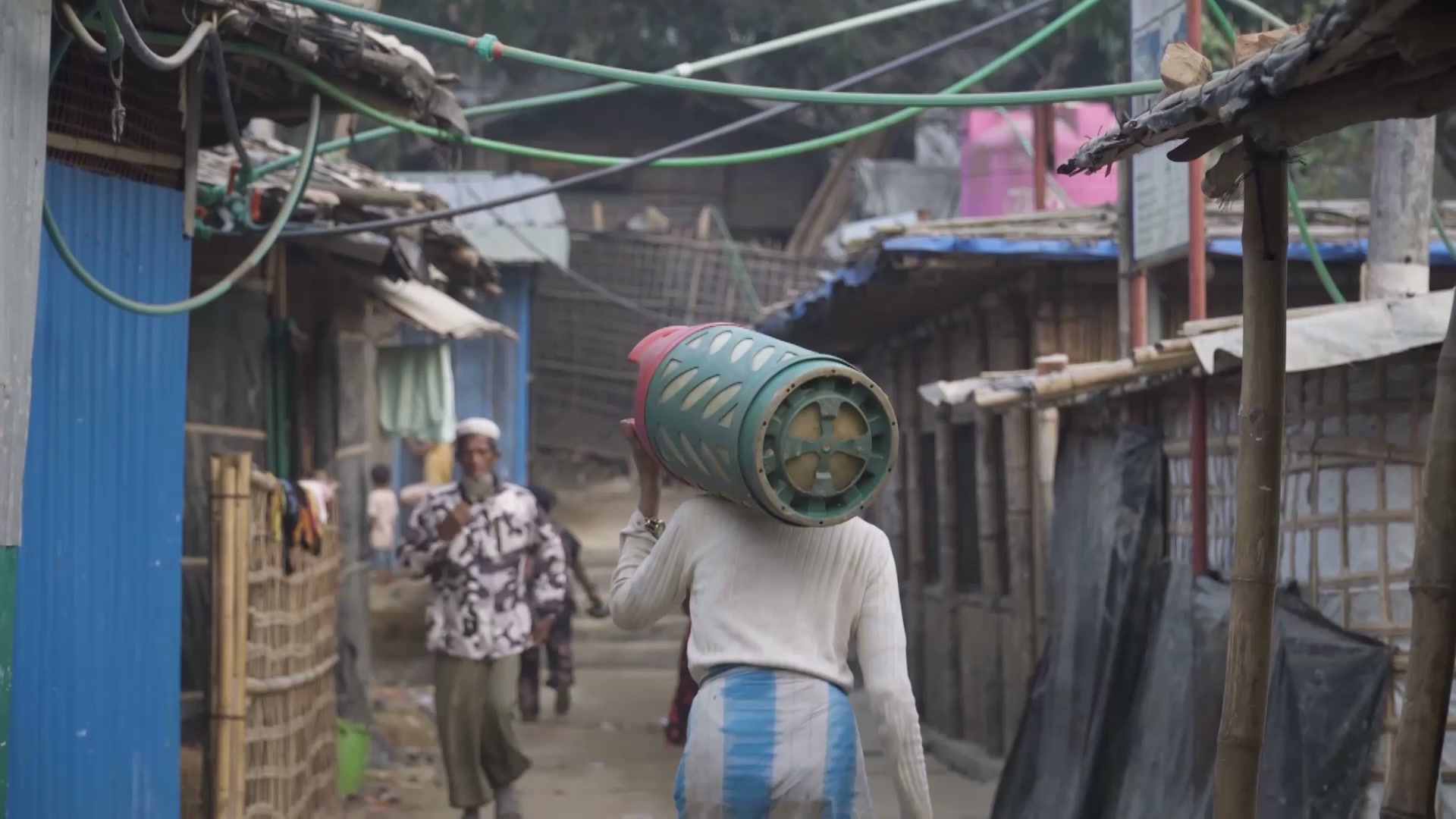
"Rohingya refugees living in in Cox's Bazar district of Bangladesh expressed concerns on Sunday, as the first of three phases of election ended in Myanmar. Refugee camp's residents criticised voting as 'fake', after political parties were dissolved, opposition leaders jailed, and large parts of the country were not expected to vote because of ongoing civil war. "This is a fake election. This is not a new election," said Habib, a Rohingya teacher. "They have been doing this election for 60 years. They have been torturing ethnic communities across the whole country for 60 years." Habib recalled that Rohingya voted in the 2010 election, only to receive 'false promises' from the military-backed government at the time, led by the Union Solidarity and Development Party (USDP). "We Rohingya voted in 2010. They gave us false promises. We believed them and voted, and in the end, they committed genocide against us," he concluded. Abdu Salam, another refugee, expressed similar opinion saying: "This election will not work for us because we were not included in the election." Muhammad Yousuf, a student, added: "If this election were held in a democratic way, there might be a solution for us, the Rohingya. But if the military takes over power, there might not be any solution for the Rohingya." Just like those in Rohingya, large areas of Myanmar are under the control of armed resistance groups or ethnic armed organisations, and the junta has cancelled elections in those areas because it cannot secure them, prompting many to dismiss the election as a sham. The election is being held in three phases nearly five years after the military seized power in a 2021 coup, triggering nationwide opposition and civil unrest. The first phase opened polling stations in 102 townships, with the second and final phases scheduled for Jan. 11 and 25, covering 265 of the country's 330 townships. More than 200 people have been charged for disrupting or opposing the polls under a law that carries severe penalties, including the death sentence. The United Nations, European Union and United Kingdom have condemned the process as lacking legitimacy. China, Russia, India and several other countries have sent observers and voiced support for the election."