


 Rural News
 Massey University Wiltshire trial draws growing farmer interest
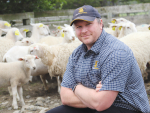
Farmer interest continues to grow as a Massey University research project to determine the benefits or otherwise of the self-shedding Wiltshire sheep is underway. The project is five years in and has two more years to go. It was done mainly in the light of low wool prices and the cost of shearing. Peter Burke recently went along to the annual field day held Massey's Riverside farm in the Wairarapa. Dr Nick Sneddon is now leading the project, taking over the reins from Professor Steve Morris who has retired, but who set up the venture in conjunction with the Morrison family who breed Wiltshire sheep. The research started with crossing standard Romney ewes to Wiltshire rams and mating the resulting ewe lambs back to Wiltshire rams, with the objective of over time producing a purebred Wiltshire flock. At the same time a control flock of Romney ewes are being run in the same flock to compare factors such as growth and weaning rates. Farmer interest in the trial has been strong throughout the trial and witnessed again with about 50 people turning up at the recent field days. As well as hearing a presentation on the trial, they had the opportunity to see the latest crop of lambs and their dams in various stages of shedding. “The questions farmers are asking is how could they build up a Wiltshire flock faster and what are the potential production losses from going to a breed that they are not familiar with,” says Sneddon. “Up until now, most of the Wiltshires have tended to have been on smaller blocks and there are not many operating at a commercial level.” Under the trial, ewe lambs are mated as hoggets to Wiltshire rams and the same happens to their progeny. Some ram lambs are kept for meat and carcase studies and the remainder are either sold as stores or sent to the works. Nick Sneddon says there is no point in using them for future mating for the study objectives. He says it’s been really cool picking up on the project and seeing the 3rd crosses (87% Wiltshire) in their shedding state and looking at some of the variations that are coming through. He says ,as well as seeing the shedding actually happening, they are now doing DNA tests to prove what they can see. He says they have done genome sequencing on all the 15 Wiltshire rams used in the first generation of trial and have genotypes on 6500 sheep. Read More: Wool-shedding sheep key to remote farm operation Breeder credits late uncle for hair sheep success Growing farmer interest in self-shedding sheep The Light Factor One of the interesting features of the Wiltshire is that it sheds its wool as the days get longer and warmer and then grows back over autumn to have a fleece in place as winter approaches. Dr Nick Sneddon says the Wiltshire cross ewes stop shedding by the end of February, but with lambs it’s a bit different. “They don’t shed a lot of wool in the first summer and it’s not until the following year that we see the extent of their shedding ability. In many ways it’s just like humans changing to lighter clothes for summer and warmer ones for winter,” he says. Sneddon says not all Wiltshires will completely shed their wool, but he says there are some who by around Christmas will have shed all their wool and require no crutching or dagging. The other thing of note, which has still to be scientifically verified, is that when born, Wiltshire lambs have thicker skin to compensate for the lack of wool – a potential factor in their survivability. “When we compare the Wiltshire lambs with the Romney lambs, we are not seeing any major differences. Reproduction, weaning and carcase weights are about the same and as you would find on any normal farming operation, there are both good and bad years,” he says. With two more years of the study to run Sneddon says a lot more work is planned, including a study to compare the carcasses of the 15/16ths and “full” Wiltshire and Romney rams. He says they’ll weigh and assess the cuts for muscle and bone and get more data to give to farmers looking at moving to the shedding sheep. Sneddon says if farmers are interested but maybe a bit sceptical in breeding up a Wiltshire flock, they could just trial it with some of their flock. “Maybe out of 2700 ewes, mate about a third with a Wiltshire ram and see what happens. Any lambs won’t be full shedding, but it will give farmers an idea of what is involved,” he says. While the trial will result in breeding fully fledged Wiltshire rams, Sneddon says they would not put these across any of the new ewes, as they would be more variable than using external genetics. But he adds that the Wiltshire-cross rams bred in the trial could be used as terminal sires. #Massey_University #DR_NICK_SNEDDON #WILTSHIRE_SHEEP