


 The Huffington Post
 Experts Warn That People With Dementa Could Be Affected By UK Cold Snap
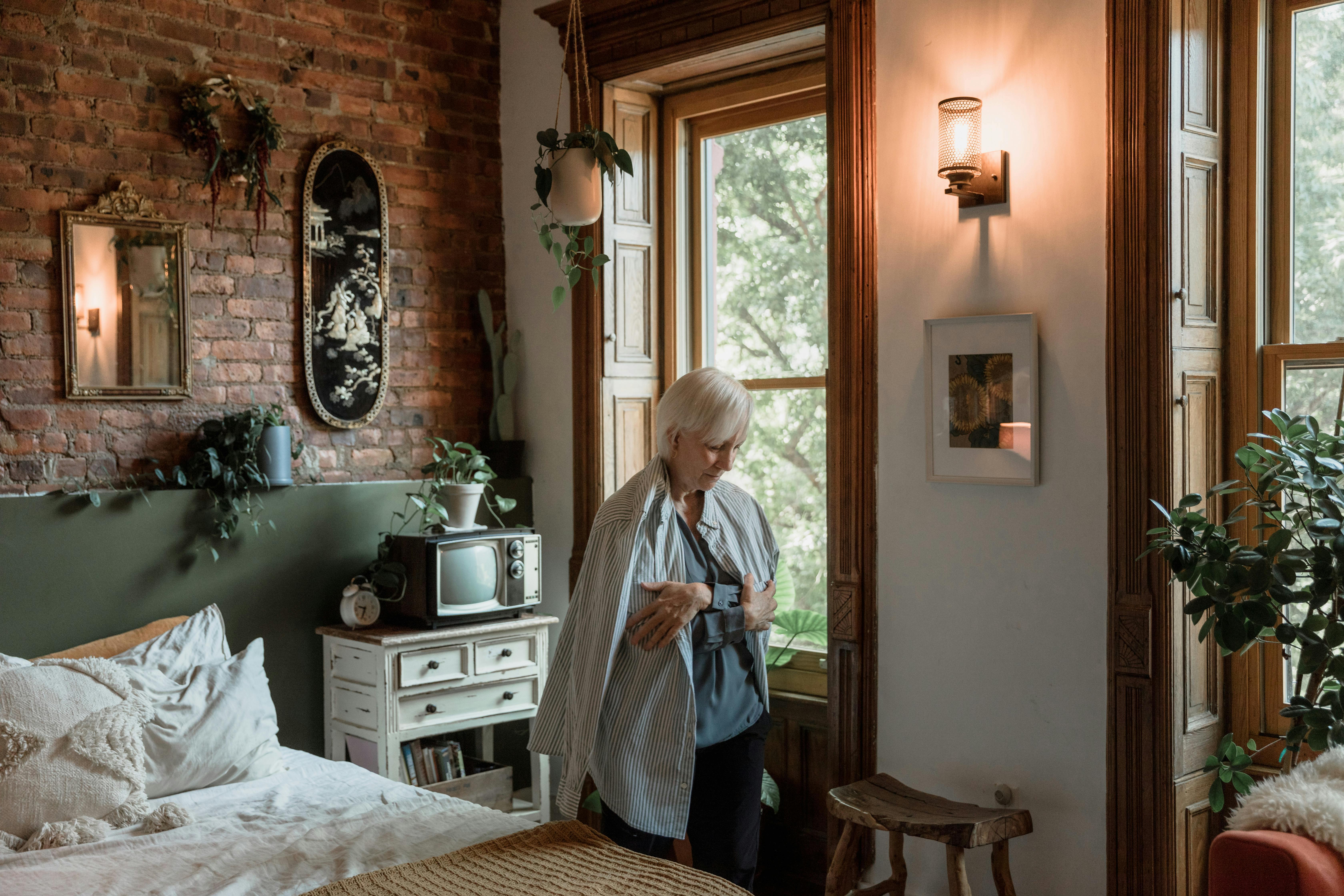
Elderly woman in long sleeves inside a bedroom As the UK heads into a new year in a freezing cold snap , a leading dementia charity warns that people with dementia could find this particularly challenging to navigate. Alzheimer’s Society warns that colder temperatures can be difficult for a person with dementia to adjust to, and they may not always be able to communicate that they are cold – or they may not even recognise it themselves. With this in mind, the charity has shared seven tips for helping loved ones, neighbours and friends with dementia adjust to the cold and stay safe. How to protect people with dementia in cold weather Make sure the person is dressed appropriately Layers are key, Alzheimer’s Society urges, adding: “the best materials for maintaining body heat are cotton, wool, or fleecy fibres.” When going outdoors , remember that a lot of heat is lost through the head and neck so make sure the person has a hat and scarf on. “Gloves are also important for keeping hands warm. If it’s icy or snowy , make sure the person is wearing appropriate footwear, such as non-skid boots”, they say. Keep the room warm It’s not just about keeping the heating on. “Things like draught-proofing, thermal curtains and roof insulation can help maintain a consistent temperature. Try to make sure any rooms that are occupied during the day are kept warm – it’s a good idea to aim for around 20 degrees Celsius “It’s also worth keeping a blanket within easy reach of a person with dementia , so they can grab it if they’re feeling chilly. At night, a hot water bottle or electric blanket can help keep the bed warm.” Encourage regular movement Of course we know that movement is good for our brains and bodies but Alzheimer’s Society says that it’s also key to keeping warm. “Keeping active can help to boost circulation and help keep someone with dementia warm. Simply getting the person to move their arms and legs or wiggling their toes can be helpful.” Make the most of daylight hours “Decreased sunlight can cause someone with dementia to feel increased anxiety, confusion, and even depression during the winter. “Get outside when you can – a quick walk around the block or even just sitting outside in the garden for a few minutes can do wonders. At home, make sure curtains are open during the day to let in as much light as possible. “You could also position the furniture so that the person with dementia is sitting near a window. As natural light starts to fade, make sure lights and lamps are turned on.” Stick to a routine Routine is essential for people with dementia and keeping it in winter is vital to their wellbeing. Alzheimer’s Society say: “A big change in routine can cause someone with dementia to become confused, distressed or agitated. “If you do have to make changes to someone’s routine in winter – for example, changing nap times or daily walks due to limited daylight – try to do them slowly and gradually.” Take care in icy weather Of course, we should all take care on icy grounds. However, Alzheimer’s Society warns that perception issues can make it difficult for someone with dementia to see icy patches on a pavement or understand that a surface may be extra slippery. The charity urges: “If you’re out for a walk in icy or snowy conditions, make sure you’re supporting the person with dementia carefully. Encourage them to take smaller steps and walk more slowly than usual.” Eat and drink regularly Alzheimer’s Society says: “Keeping warm uses up a lot of energy, and wearing layers and being in a warm house can increase the risk of dehydration. It’s important to make sure someone with dementia is eating regular meals and drinking enough fluid during the winter. “Some people with dementia have trouble gauging temperatures of food and drink, so try to make sure any food or drink has cooled before giving it to them.” When dementia changes your life, getting support is life changing. Alzheimer’s Society offers expert advice, practical help and emotional support through theirr support line (0333 150 3456), online information, Dementia Advisers and online community at alzheimers.org.uk . Related... 6 Depression Signs In Midlife Are Linked To Dementia Risk The 20-Minute Activity That May Reduce SAD, Dementia Risk, And Blood Pressure Over-70s With This Hobby May Be 39% Less Likely To Develop Dementia