


 Dawn.com
 South Waziristan residents welcome snowfall and rain as winter sets in
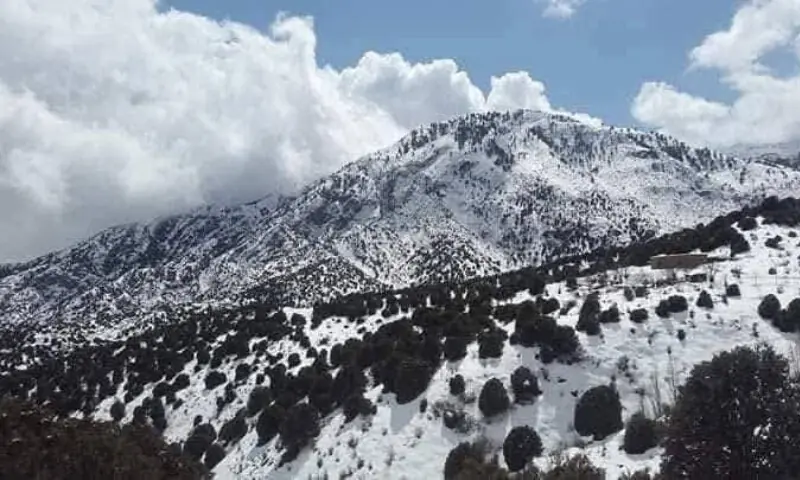
PESHAWAR: Snowfall and rain hit the mountainous areas of South Waziristan on Tuesday, marking the onset of cold weather and bringing much-needed relief to residents, farmers, and environmental officials. The Pakistan Meteorological Department (PMD) had predicted rain and snowfall in the hilly areas of the country on Sunday. According to local sources, light to moderate snowfall occurred in high-altitude regions, including Angoor Adda, Shakai, Khamrang, Raghzai, Kaniguram, Badar, Laddha and surrounding hilly localities, while intermittent rainfall was reported in lower areas. The precipitation transformed the mountainous landscape, with hill ranges blanketed in snow, significantly enhancing the natural beauty of the region. Residents welcomed the change in weather, describing the snowfall and rain as “positive and refreshing” after a prolonged dry spell. Many locals were seen enjoying the scenic views, while others expressed optimism about the environmental and economic benefits associated with the winter precipitation. “The first snowfall and rainfall of the season are highly beneficial from an agricultural perspective,” said local farmers. Trees loaded with snow in the green mountainous ranges of South Waziristan. — AK Wazir They noted that the moisture from rain would improve soil fertility and boost crop productivity in the coming months. Farmers particularly expected a positive impact on wheat cultivation, currently at a critical stage, as well as on orchard crops such as pine nuts, apples, peaches, and plums. “Rain and snow act as natural irrigation,” said a local farmer in Kaniguram. “They improve soil moisture, strengthen seed germination, and increase the effectiveness of fertilizers. This will ultimately lead to better yields and improved livelihoods for farmers.” Officials from the Irrigation Department and the Agriculture Department also termed the precipitation encouraging, especially in light of the steadily declining groundwater levels observed over recent years. “Underground water reserves in South Waziristan had been decreasing at an alarming rate due to prolonged dry conditions, limited rainfall, and overdependence on tube wells,” said the officials. “Recent snowfall and rainfall are expected to halt the continuous decline in the groundwater table,” an official from the Irrigation Department said. “As snow melts gradually, it will recharge streams, springs, underground aquifers, and natural water reservoirs, which will help stabilize and eventually raise the water level.” Agriculture Department officials added that seasonal rainfall is essential not only for staple crops but also for vegetables, orchards, and grazing lands. “Improved moisture levels are expected to support livestock farming, another major source of income for the region’s rural population.” However, snowfall in remote and high-altitude areas has also resulted in a noticeable drop in temperatures, intensifying the cold weather. In some mountainous localities, residents also reported partial disruption to movement due to slippery roads and reduced visibility. The local administration has advised residents to take precautionary measures, particularly in snow-prone areas, and urged people to avoid unnecessary travel during adverse weather conditions. Authorities have also directed relevant departments to remain alert to address any potential emergencies arising from harsh winter conditions. A day earlier, the National Disaster Management Authority had issued a weather advisory, asking authorities to ensure all necessary preparations and response measures ahead of an expected cold wave in the country. Residents expressed hope that continued rainfall and snowfall during the winter season would not only strengthen agricultural productivity but also significantly ease the ongoing water crisis in South Waziristan — a region historically affected by water scarcity and climate variability.