


 The Better India
 How 3 Unsung Heroes Responded to Hunger, Cold, & Abandonment With Care This Year
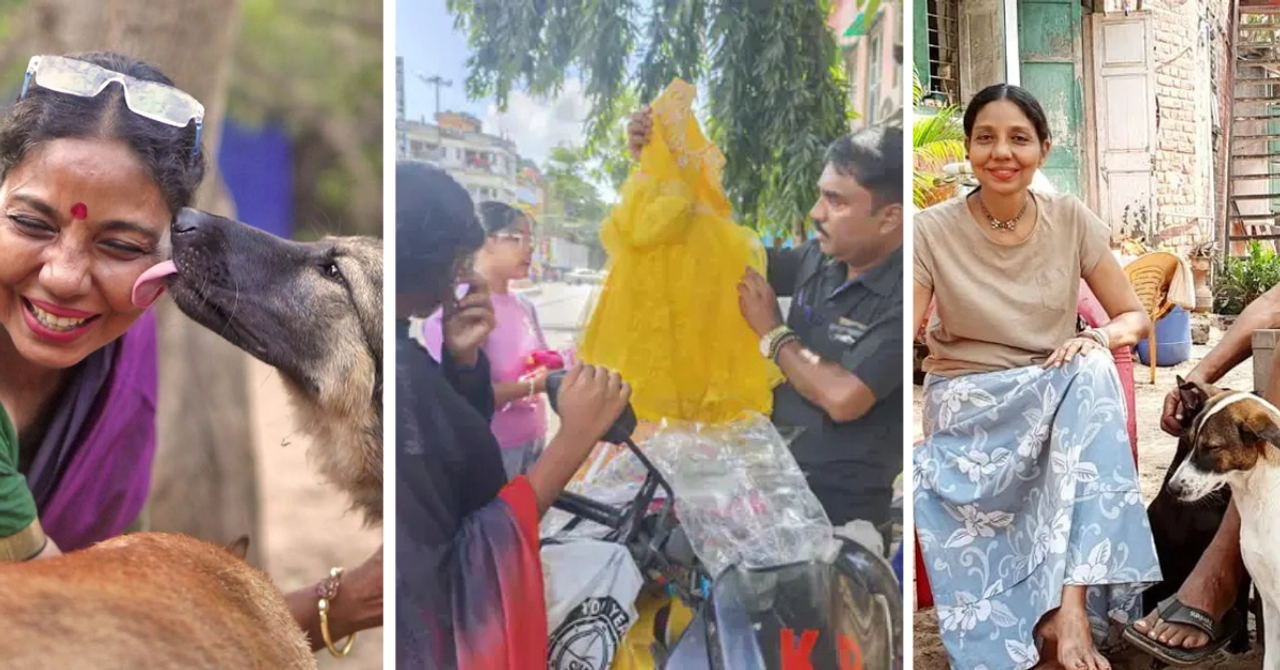
As the year draws to a close, it is not milestones or headlines that stay with us, but moments of care that arrived when someone needed them. A jacket offered before winter tightened its grip. A warm meal placed into tired hands. A life cared for long after it was abandoned. These moments sit at the heart of ‘Force for Good Heroes’, an initiative by the Aditya Birla Group started last year to spotlight individuals whose everyday actions are shaping lives and communities for the better. It is a way of recognising people who respond to what they see around them, choosing care, responsibility, and presence in their own ways. Across cities and circumstances, such individuals showed up again and again. With warmth offered under bridges, meals served outside hospital gates, and lifelong care extended where it was most needed, their actions created real change. This piece looks back at three such ‘Force for Good’ Heroes, and at what their choices have already set in motion. As we turn the page on the year, their stories remind us that care continues, reaching further and touching more lives with each passing day. 1) A Kolkata cop who built a free ‘clothes bank’ under a bridge By morning, Bapon Das is in uniform, moving through Kolkata’s traffic, responding to calls and clocking long hours as an assistant sub-inspector with Kolkata police’s ‘Special Branch’. By evening, he is back on his motorcycle, sacks of donated clothes tied behind him, riding across the city for a different kind of duty. For Bapon, service does not end when a shift does. Over the years, policing brought him face-to-face with the same scenes repeatedly. People sleeping at railway stations and bus stands, wrapped in torn clothes, with thin layers standing between their bodies and the cold. These were not sights he passed by once. They stayed with him. Having lost his cousin due to a lack of donated blood, Bapon carried a lasting awareness of how absence of timely help can change lives. Assistant sub-inspector Bapon Das distributes donated clothes through his free public clothes bank in Kolkata. Photograph: ( Bhaskar English ) So, he began simply, collecting clothes, carrying them on his bike, and sharing them with people who needed warmth more than anything else. In North Bengal, where he says development is sparse, he set up ‘Bhalobashar Bazaar’, a space where people could take clothes freely, without explanation or hesitation. When he brought the same thought to Kolkata, the idea grew into something more permanent. Under a bridge in the city’s Dunlop area, ‘Manobotar Dewal’, or the Wall of Humanity, took shape. The location was chosen carefully. People already passed through this space every day. Placing the clothes bank here meant no counters, no queues, and no questions. Clothes hang openly along the wall, arranged by Bapon after long days at work. Anyone can walk up, browse, and take what feels right, whether it is one garment or many. A favourite colour. Something that fits. Choice, here, matters. Winter is when the wall feels most necessary. As temperatures drop , those sleeping on pavements, at bus stands, and near railway stations return, not only for warmth, but for a moment that offers care without judgement. There is no funding or formal system behind Manobotar Dewal. It runs on donated clothes, time taken from rest, and a belief Bapon lives by: people are for people. Alongside his police duties, Bapon continues to organise blood donation camps and support people with nowhere else to turn. He says this work does not need money. It needs willingness and time. 2) From hunger to hope: Feeding families outside government hospitals Outside government hospitals, time stretches. Days slip into nights. Families wait near gates and corridors, watching stretchers pass, holding on to every update, learning patience in ways they never expected. Here, hunger becomes part of the waiting. Vishal Singh knows this wait well. Vishal Singh serves free meals to patients’ families waiting outside government hospitals. Years ago, while caring for his ailing father in the hospital, Vishal went days without sleep or proper meals. Medical expenses left him with no money to spare. Hunger followed him through long hours and sleepless nights. Once, it even pushed him to eat food thrown on the street. When his father passed away, Vishal made himself a promise. No one should have to go through what he did. Life did not turn around immediately. Vishal struggled to survive, taking up odd jobs as a parking lot attendant, dishwasher, and running a tea stall. Over time, he found stability in real estate. With that stability came the chance to return to the place where his promise had been made. He began ‘Prasadam Seva’, serving free meals to families of patients and caregivers outside government hospitals. The work was simple and consistent. Food prepared, plates served, and people fed without questions. In the beginning, hospitals denied him space. People doubted his intentions. But Vishal kept showing up. Slowly, doors opened. Hospitals offered kitchens. People began donating rations. For the past 18 years, Vishal has continued this work, feeding countless families waiting outside hospital gates. He is fondly known as Lucknow’s ‘Foodman’, but the title matters less than the act itself. For Vishal, food is not only nourishment. It is reassurance at a moment when families are already carrying more than they can hold. His belief remains firm. As long as someone waits hungry outside a hospital, he will continue. Looking ahead, Vishal hopes to expand Prasadam Seva to more districts. His promise, made in a hospital corridor years ago, still guides him. 3) A retired teacher giving abandoned dogs a second chance at life At ‘Daaman Sanctuary’ , mornings begin with routine. Bowls are filled. Medicines are measured. Enclosures are checked. Around Sarah Iyer, dogs begin to stir, some moving on wheels, some slowly, others greeting the day with wagging tails. Nearly 500 dogs live here. Sarah (60), a retired teacher, chose to focus on the ones most often left behind. Paraplegic dogs. Old dogs. Blind dogs. According to her, these animals sit at the very end of any priority list. For years, she had seen indie dogs beaten, paralysed, and neglected on the streets. The sight stayed with her. At 54, she decided to act, fulfilling her late mother’s wish of starting an animal shelter. People questioned her choice. Why care for paraplegic dogs, they asked. Were they not suffering? Sarah responds by inviting them to visit. Here, dogs play, rest, and live full lives, even with disabilities. Care, she believes, should not end because recovery looks different. Her husband, Gerry, became her strongest support. Using their personal savings, they built enclosures and founded Daaman Sanctuary. What began as an idea soon became her life’s work. Sarah Iyer cares for nearly 500 abandoned and disabled dogs at Daaman Sanctuary. Photograph: ( MARS and Milaap ) The challenges do not stop. Dogs are often abandoned anonymously at the gate, and people refuse to take them back even after recovery. Medical bills continue to rise. Resources remain limited. Yet Sarah continues, feeding, treating, and caring for every animal that arrives. For her, this work is not about rescue alone. It is about responsibility that lasts. She dreams of helping others start paraplegic shelters in their own towns and cities, so care can exist closer to where dogs are abandoned. Sarah believes that if society steps up, fewer shelters would be needed at all. Until then, Daaman remains a place where dogs who have nowhere else to go are given time, care, and a chance to live with dignity. In different places and ways, these individuals did not set out to change the world. They responded to what was in front of them. In doing so, they remind us that change often begins where someone chooses to care. This article is published in partnership with Aditya Birla Group.