


 Business Recorder
 SEPA reaffirms prohibition of burning post-harvest crop residues
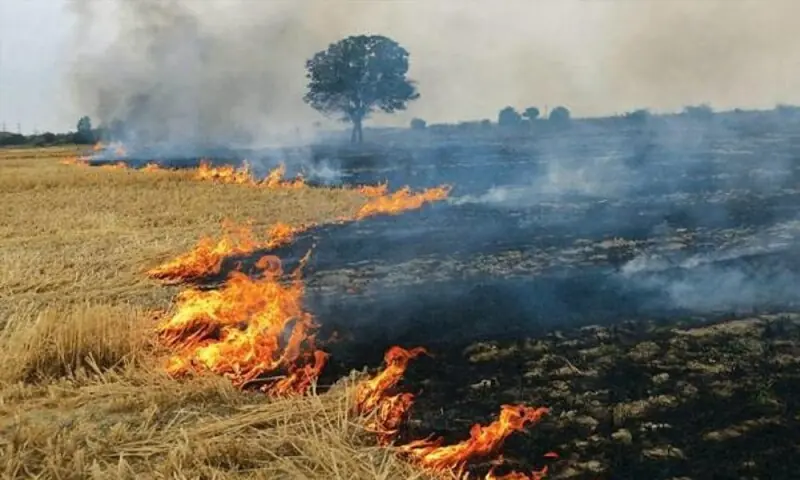
KARACHI: The Sindh Environmental Protection Agency (SEPA) has reaffirmed the prohibition of burning post-harvest crop residues. Director General SEPA Waqar Hussain Phulpoto has warned agricultural landlords and farmers that burning residues from sugarcane or other crops, including trash and stubble, is prohibited. A province-wide public awareness campaign has been launched to reinforce this directive. DG SEPA stated that burning residues causes significant air pollution, harming human health, ecological balance, and beneficial insects apart from deteriorating the surrounding environment. SEPA recommends sustainable alternatives, such as incorporating residues into soil via machinery, using them as livestock fodder, storing for fuel, or applying as winter crop protection etc. DG SEPA Waqar Hussain Phulpoto urged farmers to adopt these practices to promote clean air and a healthy environment in Sindh. In addition, other measures for air pollution control, including the monitoring of vehicular and industrial emissions, are also being implemented across the province with the same level of dedication, he concluded. It may be mentioned here that burning crop residues is punishable under the provisions of Sindh Environmental Protection Act 2014, as it violates general prohibitions on discharges or emissions causing air pollution beyond established environmental quality standards (Section 11) and actions adversely affecting the environment, including improper waste disposal (Section 14). Hence this practice qualifies as emitting air pollutants from agricultural waste, defined in Section 2 of the Act. Copyright Business Recorder, 2026