


 Ruptly
 'Burkina Faso is standing firm!' - Analysts react as Ouagadougou counters Trump with total US visa ban
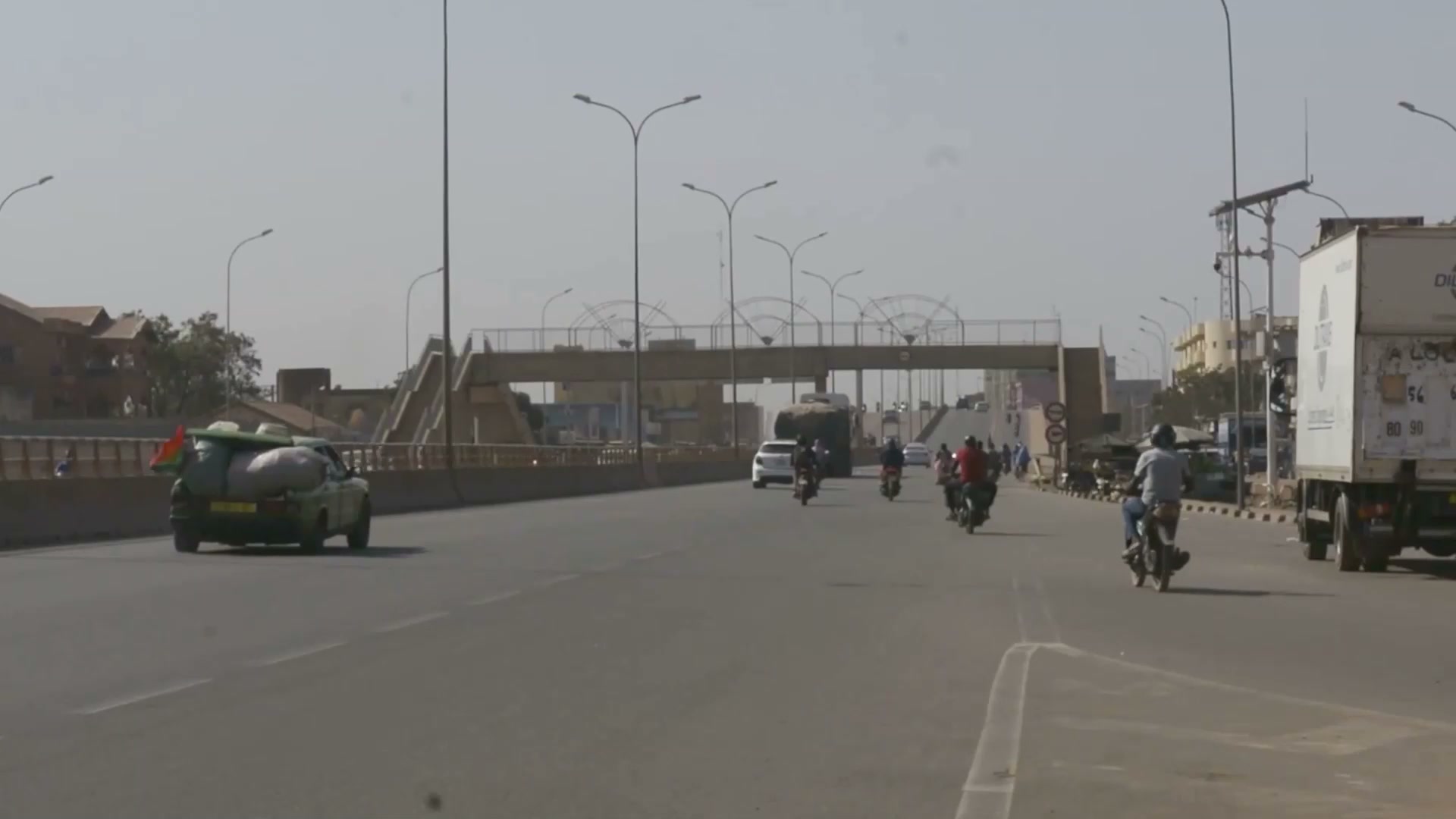
"Burkinabe experts and analysts on Friday welcomed the country’s decision to impose total visa restrictions on US nationals, a reciprocal move that took immediate effect in response to a new US travel ban suspending entry for citizens of Sahel states from New Year’s Day. The tit-for-tat measure has sparked debate in Ouagadougou, where analysts and civil society figures say the standoff could carry consequences for both sides. “This decision may have economic consequences for Burkina Faso and vice versa. It also has an impact on the United States in terms of trade,” said Salif Ouedraogo, spokesperson for the African Movement for Total Independence. “We have Burkinabe citizens who travel to the United States for trade, and there are also US citizens who come to Burkina Faso for trade and tourism, which means that the impact is twofold,” he added. Ouedraogo argued that while the restrictions could deter American investors, Burkina Faso should retain control over the terms of engagement with foreign partners. Boukary Ouedraogo, Secretary General of the Union of Burkimba, described the US ban as a geopolitical manoeuvre, saying Burkina Faso’s response sends a message of sovereignty and could prompt debate within the United States itself. “Burkina Faso is setting an example by asserting its sovereignty and standing firm on global geopolitical issues,” he said. Basile Farga, coordinator of the Movement for Refoundation, described the visa restrictions as a matter of standard diplomatic reciprocity. “No country is better than another, no country is more powerful than another, which means we can also use the same diplomatic tools that are used against us,” he said. Farga acknowledged that the measures could have economic consequences, particularly for Sahelian diaspora communities, but argued that sacrifices may be unavoidable when national dignity is at stake. The reaction follows a decision announced earlier in December by the White House, which imposed full-entry restrictions on nationals of several Sahel countries, as well as South Sudan, Syria and holders of Palestinian Authority passports, citing US security concerns. The move by Donald Trump expanded an existing travel ban, adding Laos and Sierra Leone to the list of countries facing full restrictions, while imposing partial limits on 15 others. The policy includes limited exemptions and case-by-case waivers."