


 Dawn.com
 Who is Nicolas Maduro, Venezuela’s president?
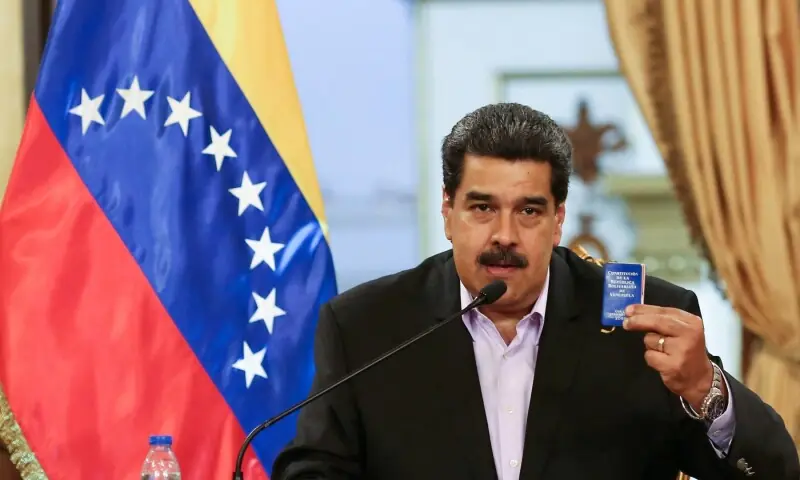
Venezuelan President Nicolás Maduro, who has been in power for nearly 12 years, saw his rule come to a sudden end earlier today. After a lightning raid on Caracas, President Donald Trump said Maduro had been captured by US forces on Saturday. Trump, whose government has accused the Venezuelan president of running drug cartels and other crimes, had been pressuring the strongman to leave office for months. Maduro was born into a working-class family on November 23, 1962, the son of a trade union leader. He worked as a bus driver during the time army officer Hugo Chavez led a failed coup attempt in 1992. He campaigned for Chavez’s release from prison and became a fervent supporter of his leftist agenda. According to a BBC report, Maduro held a long and close association with Chavez, which dates back to Chavez’s imprisonment. Maduro won a seat in the legislature following Chavez’s 1998 election. In the years that followed, he rose to become president of the National Assembly and then foreign minister, travelling the globe to build international alliances through oil-financed assistance programs. Chávez named him as his hand-picked successor, and Maduro was narrowly elected president in 2013 following Chavez’s death. During his tenure, his administration oversaw a spectacular economic collapse characterised by hyperinflation and chronic shortages. His rule became best known for allegedly rigged elections, food shortages and rights abuses, including harsh crackdowns on protests in 2014 and 2017. Millions of Venezuelans emigrated abroad. According to a Reuters report from last year, Maduro has a flair for theatrics, and often calls opposition politicians “fascist demons” and “the surnames,” the latter a jibe at their supposedly wealthy backgrounds. Critics both at home and abroad say he is a dictator who has jailed or persecuted political opponents, repeatedly and unfairly blocking opposition candidates from participating in elections. Maduro’s government was subject to aggressive sanctions by the US and other powers. In 2020, Washington indicted him on corruption and other charges. Maduro rejected the accusations. In January 2025, he was sworn in for a third term following a 2024 election that was widely condemned by international observers and the opposition as fraudulent. Thousands of people who protested the government’s declaration of victory were jailed. Last month, a UN Fact-Finding Mission found that the country’s Bolivarian National Guard (GNB) committed serious human rights violations and crimes against humanity over more than a decade in targeting political opponents, often with impunity. Maduro’s government’s repressive measures were also highlighted by the award of the 2025 Nobel Peace Prize to opposition leader Maria Corina Machado. Header image: Venezuela’s President Nicolas Maduro holds a copy of the Venezuelan constitution while he speaks during a meeting with members of the Venezuelan diplomatic corp after their arrival from the United States, at the Miraflores Palace in Caracas, Venezuela January 28, 2019. — Reuters