


 The Huffington Post
 I Went From Eating 15g Of Fibre A Day To 30g With 3 Changes
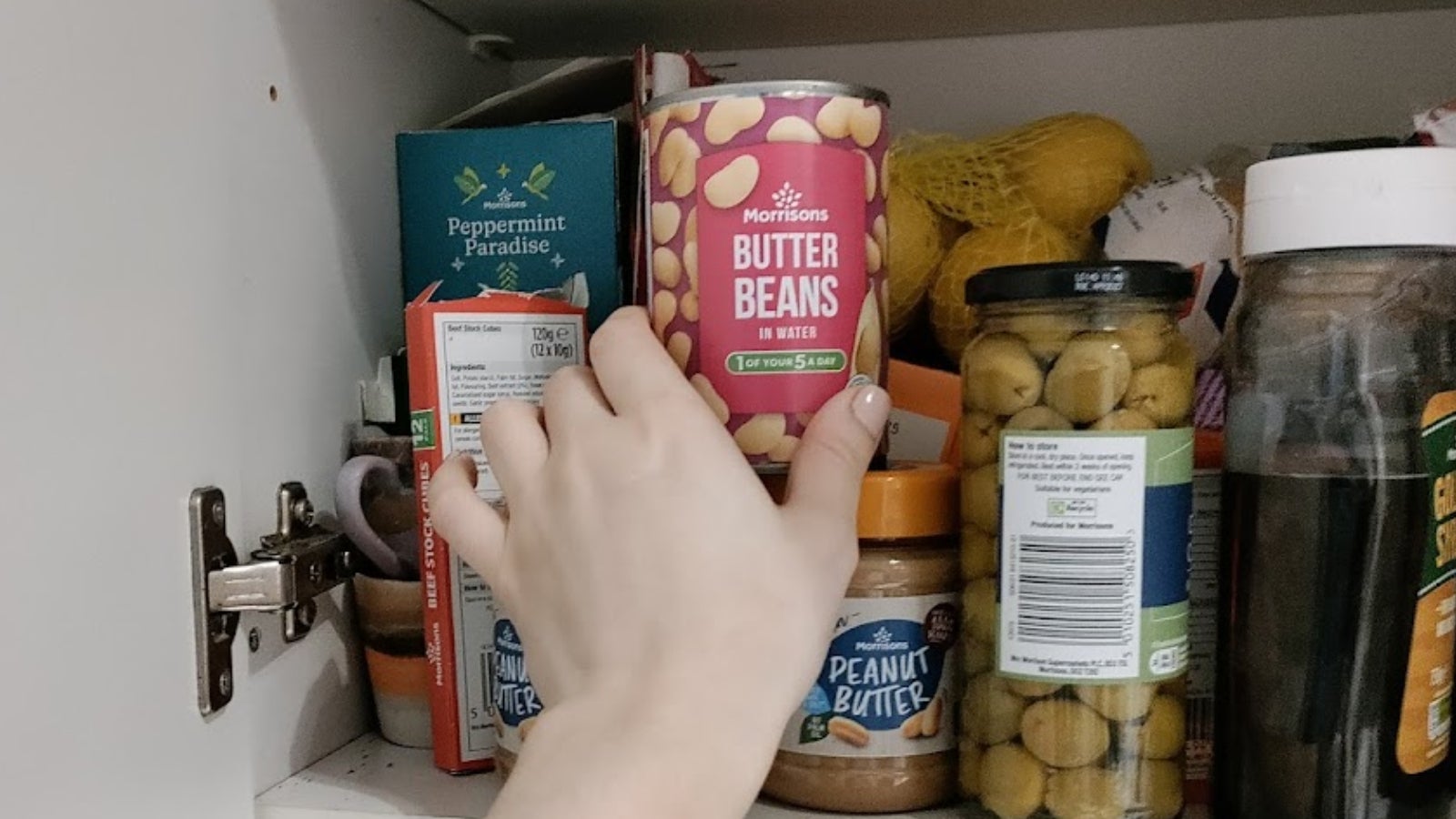
You’ve probably heard that getting enough protein in your diet is key to better health. But while protein can help us to feel fuller, keep our muscles healthy ( especially as we age ), and even improve wound healing, many of us are actually getting too much of the stuff . Meanwhile, 90% of us fail to eat the recommended 30g of fibre a day. That’s a shame, because fibre is linked to lower heart disease, cancer, and dementia risk. Still, though I’ve written about the benefits of the nutrient before , it took until the middle of last year for me to truly address my own fibre deficiency. Once I started tracking it, I realised I was getting an average of 15g; half of what I should eat. Now, my intake is consistently 30g a day or more. Here’s how I began “fibremaxxing”. Fibre-rich foods How can I get more fibre in my diet? 1. Start slowly If you’ve suddenly packed your diet with fibre-rich plants and wholegrains this month, you might notice your digestive system feels worse than it did before. That’s because, dietitian Brea Lofton from Lumen previously shared , eating too much fibre too soon can cause “bloating, gas, cramping, constipation or diarrhoea, and nutrient malabsorption”. This is because, she said, “the extra bulk and water absorption properties of fibre can cause intestinal muscles to contract more than usual, sometimes leading to cramping or discomfort”. To combat this, start small. I began with an extra couple of fruits or veg a day before adding in very fibre-dense foods like chia seeds. You may need to drink more water when introducing more fibre too. 2. Consume the bulk of your fibre early in the day Do you routinely eat balanced food all day before facing cravings at night? It turns out our bodies are primed for evening munchies, which might be why the British Heart Foundation (BHF) recommends getting some fibre in your diet first thing. BHF suggested heart-healthy porridge oats or bran flakes. I go for chia chocolate overnight oats , stewed pear porridge , or more recently, overnight Weetabix “ carrot cake ” (don’t knock it ’til you try it; mine offers 16.5g of fibre). Not only do I find that getting a good amount of fibre in early frees me up to enjoy a greater variety of foods for the rest of the day, but I’ve also noticed that my cravings actually decrease after a gut-friendly brekkie. Carrot cake overnight Weetabix (better than it looks) 3. Add, rather than subtract Both the British Heart Foundation and the NHS say that adding veggies and pulses to your curries, soups, and stews can help you to reach your daily fibre goal. Personally, I found that advice really shifted my attitude. It wasn’t about ditching my favourite foods: it’s about seeing where I can add more plants, wholegrains, nuts, and seeds to my existing favourites. Adding a spoonful of chia seeds to my oats brings in an extra 5g(ish) of fibre. Swapping chicken for butterbeans in the viral “marry me” recipe means I can enjoy nearly a third of my daily fibre intake in one meal. And yes, the NHS recommends snacking to help you reach your goals too. Try “fresh fruit, vegetable sticks, rye crackers, oatcakes and unsalted nuts or seeds” for significant fibre gains. Related... This Poached Pear Porridge Recipe Contains A Third Of Your Daily Fibre I Love 'Fibremaxxing' – But Does A Dietitian Think It's A Good Idea? I Make This Breakfast And Lunch On Loop To Get 24g Fibre Before Dinner