


 Business Recorder
 Maryam unveils ‘Model Village’ initiative
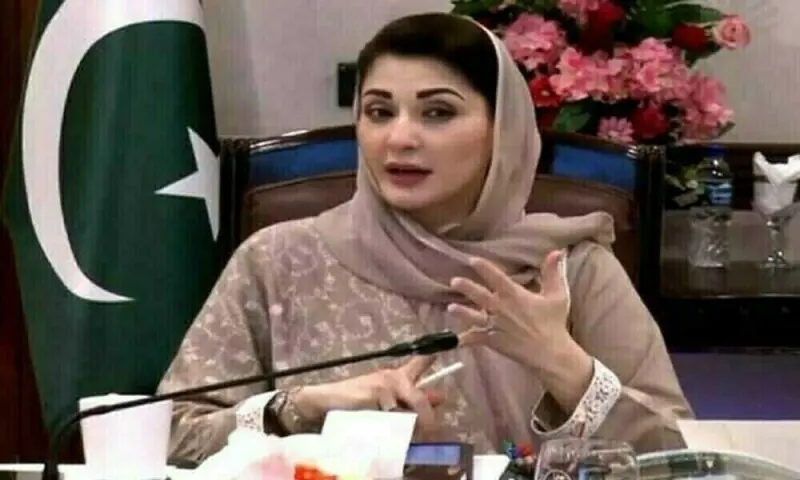
LAHORE: Chief Minister Punjab Maryam Nawaz Sharif has rolled out the Model Village project, under which development work has begun in 224 villages across the province, while approving wide-ranging measures to improve water supply, sanitation, roads and urban services. The chief minister chaired a three-hour-long meeting to review progress on the Punjab Development Programme, Lahore Development Programme, Model Village initiative, Parks and Horticulture Authorities (PHAs), clean drinking water schemes and rural road projects. Officials briefed the meeting that in the first phase of the Model Village project, 469 villages will be provided with improved water supply, drainage systems, children’s parks, footpaths and streetlights. To minimise disruption, it was decided that sewerage lines would be laid in green belts instead of roads, while manholes would be constructed along road edges. To ensure long-term sustainability of drainage and sewerage infrastructure, the meeting approved the use of HOPE sewerage pipes with a lifespan of up to 100 years. The CM directed the establishment of a live dashboard to personally monitor the progress of development projects. She was informed that the first phase of the Lahore Development Project had been completed, while the second phase would be finalised by April 30 2026. She also ordered the completion of the Punjab Development Project in seven cities by April. Briefing the participants of the meeting, it was informed that PHAs had been established in 11 additional districts, raising the total to 21. The chief minister sought a workable plan for setting up PHAs across the entire province and directed officials to submit details of existing PHAs’ manpower and assets. She also instructed the preparation of a resource-generation plan to ensure their financial autonomy. During the meeting, the chief minister ordered the immediate release of the second instalment under the ‘Apni Chhat, Apna Ghar’ housing scheme and directed the issuance of allotment letters to beneficiaries of the ‘Apni Zameen, Apna Ghar’ initiative. Officials reported that loans worth Rs155 billion had been disbursed to 121,477 beneficiaries, with 65,000 houses already completed and around 700 houses being built daily. Recoveries amounting to Rs5.15bn had been made so far through instalments. The chief minister also ordered that project completion timelines be clearly displayed on publicity boards. She expressed displeasure over roads and streets being dug up and left unattended, directing authorities to ensure immediate completion of sewerage, repair and construction work to minimise public inconvenience. She said the government apologised to citizens for difficulties caused due to road excavations. Officials informed the meeting that development, repair and rehabilitation projects worth Rs204bn in 52 cities would commence by February 22. Under which 1,529 road rehabilitation projects, 4,031 kilometres of roads have already been constructed or repaired. A detailed review of wastewater treatment plants was also conducted. Chief Minister Punjab termed public complaints regarding filtration plants as “regrettable” and ordered that areas with contaminated water be prioritised for the installation of water filtration plants. A target was set to complete the construction and rehabilitation of water bottling and filtration plants by June 30. She announced that residents of DG Khan, Khushab, Rahim Yar Khan and Bahawalpur—who are forced to fetch water from distant sources—would be provided bottled water at their doorsteps. The chief minister further directed the early completion of desilting and cleaning of the Lahore Canal, set targets for swift drainage of rainwater after downpours, and ordered proper lane marking on new roads along with the installation of aesthetically designed tough tiles along road margins. Copyright Business Recorder, 2026