


 The Advocate
 Transgender D.C. nonprofit founder Ruby Corado fears Trump-era prison ahead of sentencing hearing
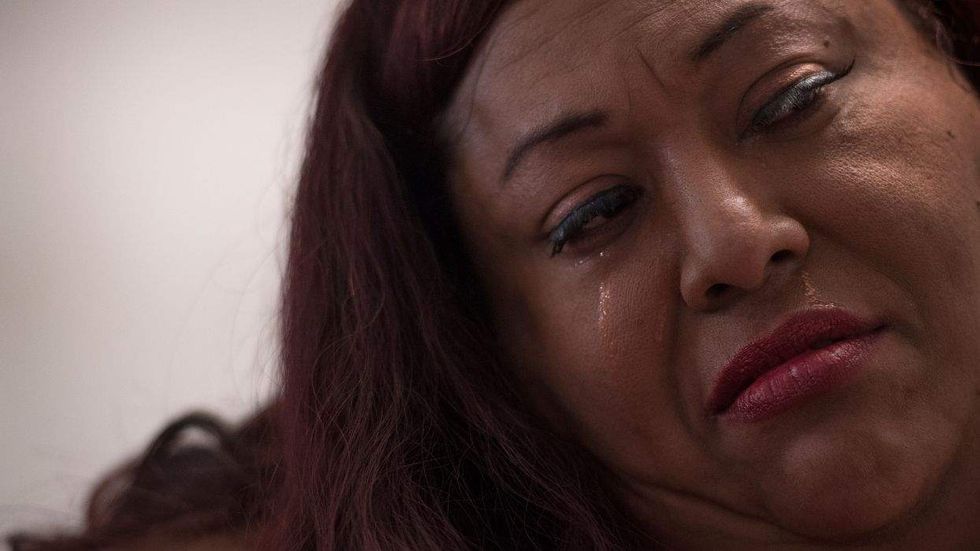
Attorneys for Ruby Corado , the founder of the now-defunct Washington, D.C. , LGBTQ+ nonprofit Casa Ruby, are urging a federal judge to sentence her to time served, arguing that incarceration would expose the transgender advocate to extraordinary danger, even as federal prosecutors press for nearly three years behind bars. Keep up with the latest in LGBTQ + news and politics. Sign up for The Advocate's email newsletter. Corado is scheduled to be sentenced on January 13 after pleading guilty to one count of wire fraud tied to the misuse of COVID-19 pandemic relief funds intended to keep Casa Ruby operating during the public health emergency. Related: Breaking: Judge delays Ruby Corado’s sentencing but orders U.S. Marshals to take her into custody In a 25-page sentencing memorandum filed Tuesday, Corado’s lawyer, Pleasant S. Brodnax III, asked U.S. District Judge Trevor McFadden to impose a time-served sentence rather than incarceration, citing her lack of prior criminal history, decades of LGBTQ+ advocacy, and what the filing describes as the uniquely severe and dangerous conditions transgender women now face in federal custody, under the Trump administration. “Courts have long recognized that when a defendant will suffer atypical and fortuitous hardship in custody, a downward variance is appropriate because a term of imprisonment will be more severe ‘in kind and degree' than for the average or typical defendant,” Brodnax told the judge in the filing. Prosecutors, however, are seeking a 33-month prison sentence, the low end of what they argue is the correct federal sentencing guidelines range, along with more than $956,000 in restitution and forfeiture, contending that Corado orchestrated a sweeping pandemic-era fraud that helped drive Casa Ruby’s collapse. Federal authorities say Corado fraudulently obtained and misused nearly $1 million in Paycheck Protection Program and Economic Injury Disaster Loan funds by falsely certifying that the money would be used for Casa Ruby’s payroll, rent, and operating expenses, while transferring hundreds of thousands of dollars into offshore accounts in El Salvador that she controlled. Prosecutors argue she later fled the country as the nonprofit imploded, leaving employees, landlords, and vendors unpaid. Related: Scandal Engulfs D.C. LGBTQ+ Nonprofit, Founder Vanishes The defense filing comes amid sweeping federal policy rollbacks that have stripped LGBTQ+ people in custody of long-standing protections against sexual violence. In December, the Trump administration directed prison inspectors to stop enforcing key safety standards under the Prison Rape Elimination Act, reversing rules designed to protect transgender and gender-nonconforming inmates from assault, degrading treatment, and unsafe housing placements. Advocates warn the changes dramatically heighten the risk faced by transgender women in federal and immigration detention — the same system Corado would likely enter if incarcerated. The filing also warns that Corado faces a likely transfer directly from federal prison into Immigration and Customs Enforcement custody, followed by potential deportation proceedings — consequences her attorney says would compound any prison sentence into a far harsher punishment than what similarly situated U.S. citizens would face. Because Corado is a lawful permanent resident, not a U.S. citizen, her lawyer argues that incarceration would almost certainly trigger immigration detention and jeopardize her legal status, placing her at risk of removal to El Salvador, a country the memo describes as hostile to transgender people. Corado has admitted to diverting $200,000 from the loans in violation of program rules. Her attorney argues the funds were not used for personal enrichment but were intended to support LGBTQ+ people in El Salvador through an attempted expansion of Casa Ruby’s mission abroad — a claim prosecutors strongly dispute. Related: Ruby Corado, founder of LGBTQ+ nonprofit Casa Ruby, pleads guilty to wire fraud Under federal sentencing guidelines, Corado faces an advisory prison range that her attorneys place at 15 to 21 months, while prosecutors argue it is 33 to 41 months based on a higher loss calculation and additional sentencing enhancements. The defense filing emphasizes what it describes as worsening federal policies affecting LGBTQ+ people in custody, warning that transgender women are now at heightened risk of sexual assault, degrading treatment, misgendering, and denial of medically necessary care. Corado, the memo notes, has survived wartime trauma in El Salvador, homelessness, and repeated sexual violence — factors her attorney says would make incarceration “uniquely destructive. Prosecutors counter that Corado “betrayed the trust” of the very community she claimed to serve, describing her conduct as a calculated scheme carried out during a time when millions of Americans were struggling financially, and relief funds were urgently needed. They argue that a significant prison sentence is necessary to promote respect for the law. Corado was arrested in March 2024 and pleaded guilty in July 2024 . After initially being released under court supervision, she was ordered held pending sentencing following an October 2025 hearing. McFadden will decide next week whether to impose prison time and, if so, how much, when Corado appears for sentencing.