


 Engadget
 Brunswick's latest boats at CES 2026 feature edge AI, self-docking capabilities and solar power
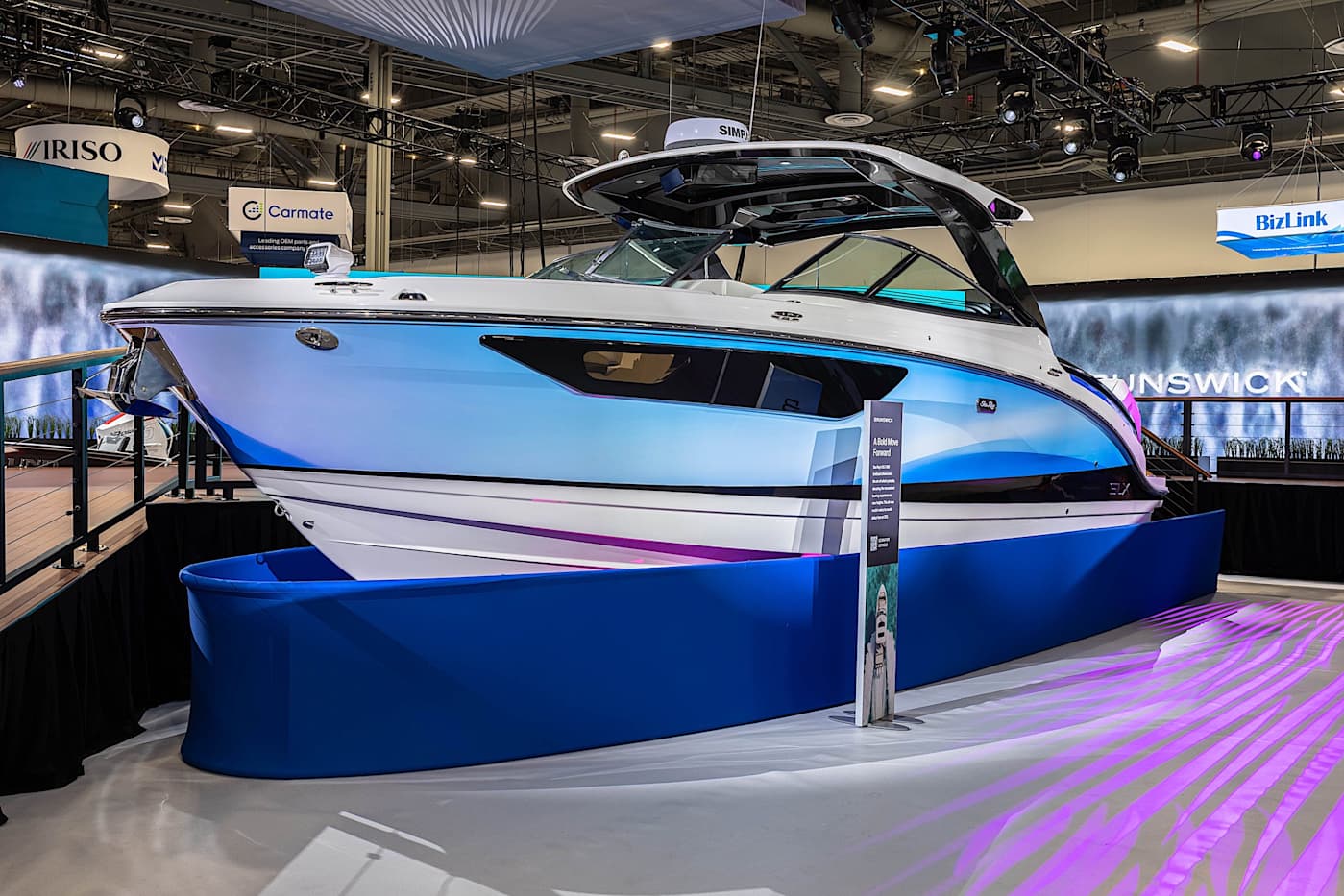
If you've never docked a boat before, consider yourself lucky. There are plenty of popular TikTok channels devoted to shaming those who bring their craft back home clumsily or berth them with something less than finesse. Tricky crosswinds, unpredictable surf and even the jeers of passersby can make it a stressful experience at the best of times. Brunswick, which owns more than 50 water-borne brands like Sea Ray, Bayliner and Mercury Marine, has a solution. It's demonstrating some self-docking tech called AutoCaptain at CES 2026 that makes this process a cinch, plus a fleet of other innovations that, in some cases, leave some of the smart cars on the show floor looking a bit remedial. One of those technologies is edge AI. While in-car AI is an increasingly common feature, those agents are exclusively running remotely, relying on cellular connections to offload all the processing power required to drive a large language model. Sadly, that won't always work on a boat. One of Brunswick's tech-equipped boats Brunswick "One of the things about AI for boats is you don't have connectivity, so there is some edge compute required," David M. Foulkes told me. He's chairman and CEO of Brunswick. Many of the company's boats do have active cellular connectivity, but head far enough offshore, and you're on your own unless you're packing Starlink or the like. To solve that, Brunswick is running advanced SoCs from NVIDIA and other providers that enable running a limited agent offline — on the edge, as it were. When offline, Misty, as the on-boat AI assistant is called, won't be able to make dinner reservations or craft a 3,000-word treatise on the history of America's relationship with Greenland. It can, however, help with navigation or boat settings. "It'll help answer the kind of questions that you might need to take out a manual to understand and maybe act as an assistant to make your boating a bit smoother," Foulkes said. When the company's smart boats are connected, they offer some degree of remote control. No, you can't drive it around the docks and freak out your pier-mates, but you can check on the boat remotely to make sure nobody's trying to stow away. You can even precondition it to get the cuddy cabin nice and cool before you come aboard. Navan C30 Power for that, and a variety of other onboard systems, can come from an integrated power system called Fathom, which has a lot in common with modern smart home tech. Solar panels on the roof (nicely disguised beneath a black mesh) collect power to recharge an onboard battery, with various sizes upwards of 30 kWh depending on the boat's size. That battery can also be recharged by the onboard motors, like the three 425-horsepower V10s the Sea Ray SLX 360 drydocked at the Brunswick booth at CES 2026. The juice in that battery can then be used to power a variety of onboard systems, even charging a pair of electric hydrofoils, which another of the company's boats, called the Navan C30, had strapped on the roof. You'll also find cameras on the roof of these boats. That's how the AutoCaptain feature works, numerous fisheye lenses scanning the water in every direction. Approach a pier and the AI assistant asks if you'd like some help docking. Just tap the button on the touchscreen, then kick back and let Misty do the driving. Between automated docking, the in-cabin AI assistant and the smart power distribution system, Brunswick's boats offered some impressive tech. But then they'd have to, given the cost. The Sea Ray SLX 360 Outboard has a starting price of $586,000. The smaller Navan C30 is a rather more attainable, but still extreme, at $227,500. That’s still probably cheaper than hiring a real captain, though. This article originally appeared on Engadget at https://www.engadget.com/transportation/brunswicks-latest-boats-at-ces-2026-feature-edge-ai-self-docking-capabilities-and-solar-power-185500213.html?src=rss