


 Business Recorder
 Confronting the population challenge
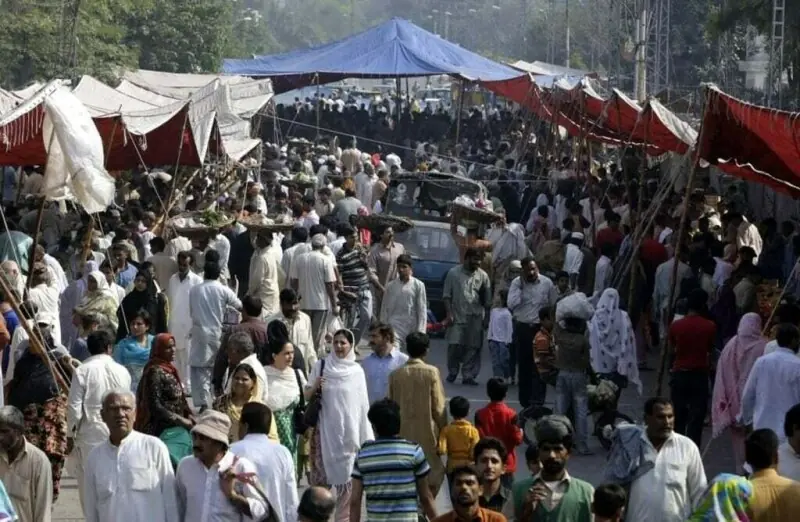
EDITORIAL: The statement by the United Nations Population Fund (UNFPA) comes at a critical moment for Pakistan as the country has approached 2026 with a population exceeding 225 million—making it the world’s fifth most populous nation—and facing a complex mix of demographic, social, and environmental challenges. Rather than framing population growth as an inevitable burden, UNFPA’s call to view population as a strategic driver of sustainable and inclusive development is both timely and constructive. It shifts the debate away from alarmism towards purposeful, evidence-based planning. At present, Pakistan’s high population growth and fertility rates are closely linked to persistent gender inequality, limited access to quality health services, and weak—or in most cases non-existent—social protection systems. These structural weaknesses are further compounded by growing climate vulnerability. Extreme weather events and environmental stress disproportionately affect women, children, and marginalised communities, reinforcing cycles of poverty, poor health outcomes, and high fertility. In this context, population dynamics cannot be treated in isolation; they must be integrated into broader development and climate strategies. UNFPA’s recommendation to reform how population is reflected in national planning and financing—particularly through the National Finance Commission (NFC) formula—is therefore significant. At present, population size remains a dominant criterion for resource allocation, which can inadvertently reward higher population growth rather than improved development outcomes. A reimagined, forward-looking NFC framework—one that incentivises progress in gender equality, climate resilience, balanced population outcomes, and service quality—would represent a major policy shift. Such reform could encourage provinces to invest more seriously in human development while strengthening accountability and public service delivery. Unsurprisingly, however, this proposal faces strong resistance from Punjab, the country’s most populous and relatively prosperous province. The persistent challenges highlighted by UNFPA—high maternal mortality, unmet need for family planning, early marriages, gender-based violence, and unequal access to reproductive health services—remain major obstacles to sustainable development. These are not merely health-sector issues; they reflect deep-rooted social norms, governance failures, and stark inequities between urban centres and remote regions. Their continued prevalence helps explain Pakistan’s stalled fertility decline and uneven human development outcomes across provinces and districts. Addressing them will require sustained political commitment and a comprehensive policy overhaul. Revisiting and reforming population policy at both federal and provincial levels is therefore imperative. Policies must move beyond targets and rhetoric towards rights-based, people-centred approaches—particularly those that empower women and girls to make informed choices about education, marriage, and childbearing. Lessons from other Muslim-majority countries, such as Bangladesh and Iran, are also instructive. Both demonstrate that culturally sensitive, well-funded, and easily accessible family planning programmes, backed by strong political ownership, can lead to meaningful fertility decline. UNFPA’s message is clear: Pakistan’s demographic future is not predetermined. With smarter planning, reformed fiscal incentives, and a serious commitment to gender equality and broader human development, population dynamics can become a source of strength rather than strain for the national economy. The real challenge lies in translating this understanding into concrete and sustained policy action. Copyright Business Recorder, 2026