


 Dawn.com
 Punjab set to launch construction of 37,000 houses
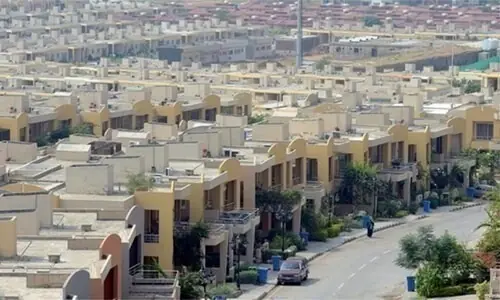
LAHORE: The Punjab government is set to launch a major project of constructing 37,000 housing units for the people in next couple of months, as the preparatory work has been accelerated in this regard. The project titled “Punjab Affordable Housing Programme (PAHP)” — a World Bank-funded hybrid housing scheme worth US$250 million over five years, has been designed to strengthen housing institutions and significantly enhance the quantity and quality of affordable housing in Punjab. “The PAHP targets delivery of 37,000 housing units, of which 20,000 units will be constructed on state land using World Bank financing, while the remaining units will be delivered through private sector engagement, ensuring a blended and sustainable delivery model,” says an internal report presented to the Punjab government. The project implementation is being carried out through a structured institutional arrangement by Urban Unit and the Punjab Housing & Town Planning Agency (PH&TPA) via the Programme Management & Implementation Unit (PMIU). To ensure implementation readiness, 41 state-owned sites across Punjab have been identified with the help of land record and revenue authorities. Comprehensive field verification has been completed whereas district administrations have also been taken on board as required under the World Bank protocols for establishing a strong foundation for phased execution. The report further states that in a bid to raise the depleting water table, the government, in principle, has decided to construct as many as 1,000 groundwater recharge wells across the province this year. 41 govt-owned sites identified across province for the WB-funded hybrid project The construction of wells will be initiated by the Water and Sanitation Agencies (Wasas) in all districts. The initiative introduces modern engineering solutions to address declining groundwater tables caused by urbanisation and excessive extraction. The programme has already been initiated in Lahore as a pilot project and is planned for expansion across all districts under a phased manner, ensuring province-wide impact. In Lahore, three recharge wells have already been made functional and more than 15 locations would soon have more wells. The report states that the Parks and Horticulture Authorities (PHAs) in several districts have been assigned the task to lower greenbelts — a smart engineering approach to address urban flooding challenges associated with conventional greenbelt designs. In Lahore, the work has been kicked off formally. “Traditionally, the elevated greenbelts along roads and highways have unintentionally contributed to waterlogging during heavy rainfall, as excessive height restricts natural drainage and causes rainwater to accumulate on road surfaces. Recognising this challenge, the government has shifted towards scientifically designed greenbelts that support effective storm water management,” the report explains, adding that all new greenbelts developed across Punjab will be constructed at optimised, lower levels, in accordance with international best practices, to facilitate natural water flow and reduce urban flooding risks. “This approach ensures that environmental objectives are achieved without compromising existing infrastructure or causing avoidable disruption.” It says that the work on Lungs of Lahore & Ring Road Forestation project —a pioneering, environment-friendly initiative aimed at combating smog, improving air quality, and promoting sustainable urban development has been accelerated, as it reflects a proactive and science-based response to Lahore’s long-standing environmental challenges. The project envisages the creation of a forest-like green boundary around Lahore through large-scale ring forestation, establishing a natural environmental buffer against air pollution and unchecked urban sprawl. “This project is designed to serve as a permanent ecological asset for the city, positioning Lahore among global cities adopting nature-based solutions for environmental resilience,” the report reads. The project is also planned to be replicated by the PHAs in other districts. It further states that Punjab’s flagship housing initiative , Apni Chhat Apna Ghar (ACAG), has achieved a major milestone with the completion of over 50,000 homes in 2025, marking a significant step toward addressing Punjab’s long-standing housing deficit for low-income families. The programme provides zero-interest, zero-fee housing loans, reflecting a strong commitment to affordability and financial inclusion. It has demonstrated social outreach, with widows, persons with disabilities, and minority community families among direct beneficiaries. It mentioned that the Apni Zameen Apna Ghar (AZAG) programme has also been launched to secure land ownership for landless families. The digital-first approach enabled as many as 367,000 people to apply online across Punjab. The programme entered its implementation phase with first-digital balloting of 2,000 free residential plots across 19 districts including Kasur, Faisalabad, Attock, Sargodha, Jhelum, Gujrat, Mandi Bahauddin Chiniot, Jhang, Okara, Bhakkar, Khushab, Layyah, Vehari, Lodhran, Sahiwal, Rajanpur, Bahawalpur and Bahawalnagar. Published in Dawn, January 12th, 2026