


 The Better India
 #NotAResolution: In 2026, I Plan to Cut My Non-Essential Shopping by 50% & Create Less Waste
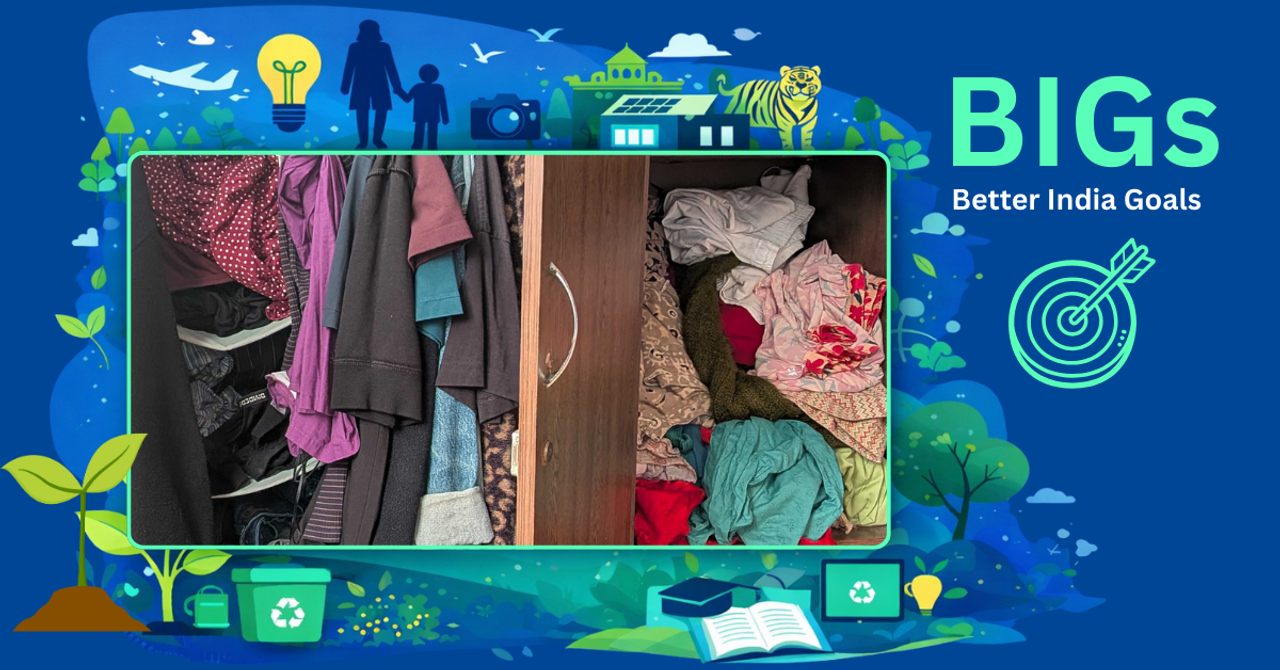
The start of a new year often comes with big resolutions, many of which quietly fade by February. Through Better India Goals 2026, we’re doing things differently. This series brings together personal, practical goals set by our team — rooted in lived experiences, not perfection. These are intentions shaped by real lives, evolving challenges, and the hope that small, consistent changes can lead to a better year for ourselves and those around us. Why this goal exists I am getting ready when I notice a pile of clothes in front of me. It almost mocks me as I sigh for the tenth time, “I have nothing to wear.” It is a familiar feeling for many of us with overflowing wardrobes who still struggle to put together a decent outfit. Standing over that heap, overwhelmed by my own belongings, the discomfort of this first-world problem brought a moment of clarity: I needed to buy less and buy better . So, my Better India Goal for 2026 is to reduce all non-essential purchases by at least 50 percent, with a specific focus on clothing. This means choosing fewer, longer-lasting items and actively avoiding impulse shopping. The benefits are simple. I gain more mental space, and the already overburdened landfills of my city receive some relief. Slow shopping reduces impulse buys and promotes mindful, planet-friendly choices. Photograph: (Cottonbro studio/Pexels) Why this matters beyond me As a child, I once mistook Delhi’s Ghazipur landfill for a real mountain. Almost as tall as the Qutub Minar and complete with an ecosystem of its own, it’s a towering reminder of legacy waste, growing with every needless purchase. India generates around 1.7 lakh tonnes of municipal solid waste every single day. Only about 53 per cent of it is processed or recycled. Everything else is pushed into landfills, where it seeps into the soil, poisons water sources, and releases methane into the air we breathe. Much of this waste exists because we buy far more than we truly need. In India, most fast fashion ends up in landfills as only a small fraction of textile waste is recycled. Photograph: (Sourcing Journal) No single person can repair a city’s waste system. Yet everyday choices shape how much pressure those systems face. They also shape something far more personal. The weight of excess. The fatigue of managing too many things. The constant sense of clutter that follows us from cupboard to cupboard. Impulse buying rarely begins with need. It often begins with a feeling. A moment of stress. A scroll through comparison. The promise that one more purchase will make life feel lighter or happier. The satisfaction arrives briefly, then fades. What remains is guilt, financial strain, and one more item demanding space, care, and attention. Choosing to consume less creates room to breathe. It lightens the load we place on the planet and on ourselves. Fewer things to manage. Fewer decisions to make. More mental clarity. In that sense, reducing consumption supports sustainability and strengthens emotional well-being at the same time. Fast fashion is made cheaply to look trendy, not to last, encouraging frequent buying rather than thoughtful use. Photograph: (Munir Uz Zaman / AFP) How I plan to do this Like most resolutions, this one will only work if it is built into everyday behaviour through small, repeatable actions. I’m focusing on habits that reduce impulse and shift desire. Here are some ways: Removing triggers by deleting shopping apps and unsubscribing from ‘limited-time’ sales emails that ‘manufacture’ urgency. Letting purchases marinate by leaving items in my cart for at least 48 hours before paying, allowing impulse to pass. Most items will likely lose their appeal upon review. Re-training my social media algorithm by following creators who advocate slow living , outfit repetition, and conscious consumption. Choosing fewer, higher-quality pieces, even when cheaper alternatives look lucrative. Saving intentionally for one well-made item instead of accumulating multiple low-quality ones. Repeating outfits unapologetically and renting or borrowing elaborate outfits for special occasions whenever possible. How I will track this To analyse and keep a tab on these habits, I intend to follow these steps: I will track how many items I buy, not only how much money I spend. A monthly count helps me notice excess and recognise patterns over time. I will do a monthly “use check” to see what I actually wore or used. If something stayed untouched, I pause to ask why. That answer often tells me what not to buy again. I will try challenges such as no-buy months and pay attention to what triggers slip-ups, whether sales, stress, or social pressure. I will mark simple milestones, like completing 30 days without impulse buys or resisting festive sales periods. Blocking sale notifications helps curb impulse buying by reducing constant pressure to shop. Photograph: (Shutterstock) An invitation The world already asks a lot of us. Our homes do not need to add to that pressure. Getting dressed in the morning or cooking a meal should not feel like navigating chaos. They can feel smooth, familiar, even comforting, when we are not buried under things we barely use. There is something quietly satisfying about owning fewer things that actually do their job. Two pairs of socks you reach for without thinking. One cup you always pick first. Things that fit into your life instead of demanding your attention. As The Minimalists put it, buying less gives us more room to live. If this thought feels familiar or even a little relieving, maybe it is worth trying. I am giving it a year, and you are welcome to see where it takes you, too. Sources ‘India’s bulging waste line: Can cities clean up before it’s too late?’: by Rewati Karan for Financial Express, Published on 3 May 2025.