


 Ruptly
 Rohingya 'targeted for destruction' - Gambia at the ICJ in 'genocide test case' as Myanmar strongly denies allegations
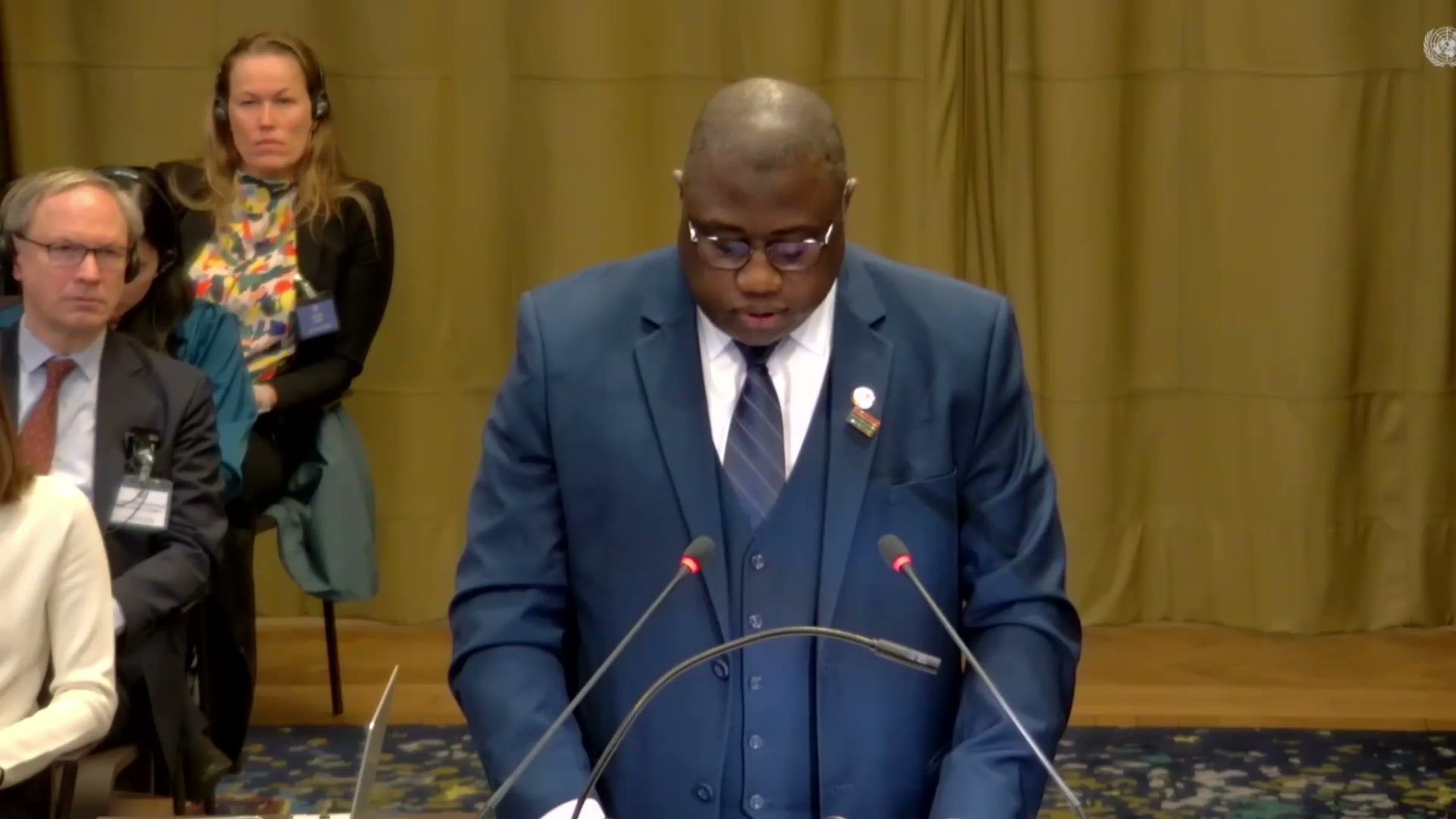
"The International Court of Justice (ICJ) began a landmark hearing in the case of The Gambia v Myanmar at The Hague on Monday related to the treatment of Rohingya people. It's seen as a key 'test case' for allegations of 'genocide' - which South Africa has also brought against Israel. “We did not bring this case lightly. We brought this case after reviewing credible reports of the most brutal and vicious violations imaginable inflicted upon a vulnerable group that had been dehumanised and persecuted for many years,” claimed Gambian Justice Minister Dawda Jallow during his opening address. Myanmar responds later this month, and has strongly denied 'genocide' relating to the 2016 and 2017 military ops which saw 750,000 Rohingyas leave the country. It says they were legitimate 'counterterrorism' operations against armed groups. Preliminary hearings first began in 2019, under then-leader Aung San Suu Kyi - who said The Gambia's allegations were 'incomplete and misleading'. She was removed in the military takeover in 2021. Myanmar is currently holding its first elections since 2021. In his own remarks, Jallow claimed: "It is not about esoteric issues of international law. It is about real people, real stories and real group of human beings... they have dreams and aspirations like all of us. And first and foremost, it is the most simple dream to be able to live in peace in their homeland under conditions of dignity and security." “Myanmar has denied them that dream. In fact, it turned their lives into a nightmare, subjecting them to the most horrific violence and destruction one could imagine,” Jallow alleged. Myanmar has always maintained that the crackdown by armed forces, known as the Tatmadaw, was about rooting out Rohingya insurgents after a series of attacks left a dozen security personnel dead. Its legal team will present defence arguments on January 16-20. Counsel for Myanmar has challenged the ‘accuracy, credibility, and impartiality’ of UN reports, labelling them as ‘second-hand’ and ‘unreliable.’ The oral hearings at the International Court of Justice (ICJ) are scheduled to last for nearly three weeks. Sessions with alleged Rohingya victims are closed to the public. A decision could take up to a year, and the court has no powers of enforcement."