


 RTHK English
 Bird species at MTR's Lok Ma Chau Wetland up 25pc
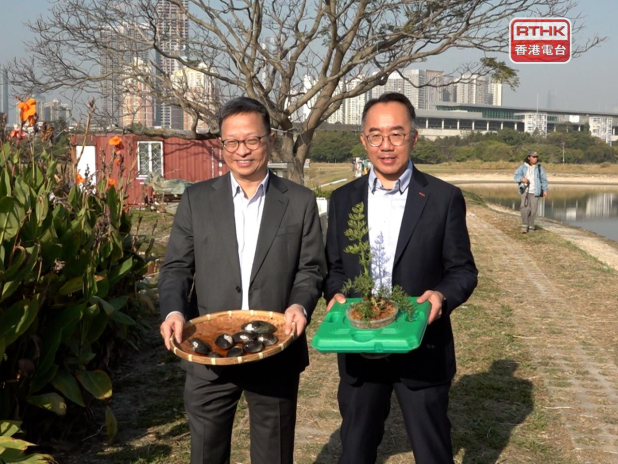
The MTR Corporation said it is working to promote ecological conservation by stepping up public participation at its Lok Ma Chau Wetland. The railway operator has been managing the 32-hectare site that features ponds, swamps and artificial islands since 2007. Mammals, reptiles, and more than 280 bird species have been recorded at the wetland so far, including vulnerable and endangered ones, such as the black-faced spoonbill and Eurasian otter. The number of bird species seen represented a surge of about 25 percent compared to 2007. In cooperation with the Centre for Civil Society and Governance (CCSG) at the University of Hong Kong (HKU), more than 50 secondary students from five schools have been planting and monitoring vegetation before moving them to the wetland. The MTR's chief of operations engineering service and innovation, Chan Hing-keung, said the firm is also offering limited access to the wetland to promote conservation. "When we are managing the wetland, we have been communicating with various stakeholders. We found that some groups are very interested in the wetland's operation and situation," he said. "So we have arranged groups to visit the wetland, with the aim of allowing more members of the public to participate. Our guided tours can allow the public to know more about how the MTR promotes sustainable development and manages the wetland." He went on to say that the team will come up with a long-term plan after analysing the data when the one-year pilot programme with HKU ends this year. Apart from public engagement, the MTR and HKU have been adopting nature-based solutions to manage the wetland through an innovative approach since 2023. CCSG's director Lam Wai-fung said they hope to explore the possibility of utilising the wetland's resources to create more social and economic benefits. "We aim to establish Lok Ma Chau Wetland as a multi-value base through ecological conservation to support various activities such as agricultural development, research, education, and knowledge-based leisure projects," said Lam. He explained this included setting up floating islands at the wetland to preserve water quality, offering diverse habitats for wildlife, as well as increasing the site's planting area. And during the migration season, the water level will be lowered at some ponds, and about one tonne of live fish will be added to make it easier for birds to find food.