


 Dawn.com
 Federal govt allows Punjab farmers to export potatoes, kinno via alternative routes
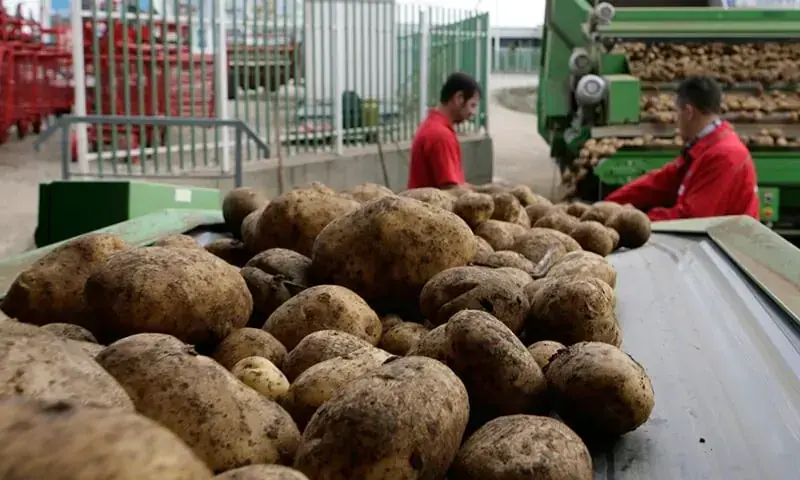
LAHORE: The federal government has allowed farmers in Punjab to export potatoes and kinno through alternative routes, the Punjab government said on Tuesday, attributing the decision to Chief Minister Maryam Nawaz’s intervention. “The federal government has allowed potato and kinno exports following the chief minister’s special efforts,” the provincial government said in a statement. The move follows calls from Punjab’s potato growers for urgent government support, including subsidised exports, after a production surplus coincided with weak domestic demand and shrinking export prospects. Farmers had blamed months-long disruption in trade through the Afghanistan border for a sharp decline in potato prices, saying rates had fallen below production costs in parts of Sahiwal, Okara, Pakpattan, Kasur and adjoining districts. Some growers, they said, had ploughed standing crops back into the soil to avoid further losses. In a statement, CM Maryam Nawaz said the hard work of potato and kinno farmers would not be allowed to go to waste. Move comes after CM Maryam intervenes on growers’ complaints “I remain in contact with Prime Minister Shehbaz Sharif to help farmers overcome their difficulties,” she said, adding that the Punjab government had approached the Centre for the formation of a high-level committee to facilitate exports of kinno and potatoes. She said the committee, headed by Deputy Prime Minister Ishaq Dar, would include representatives of relevant ministries and key stakeholders to address the issue in a coordinated manner. The chief minister said the province had also urged the Centre to explore new international markets and reduce export-related costs to ease difficulties faced by exporters and farmers. “Practical measures are being taken on a daily basis to resolve issues related to kinno and potato exports and to maximise foreign exchange earnings,” she said. She said Punjab produced about 95 per cent of the country’s potatoes and kinno. She added that potato output in the province was expected to reach about 12 million tonnes this year, while kinno production was projected at four million tonnes. Published in Dawn, January 14th, 2026