


 Azer News
 Iran’s harsh rhetoric towards US and what it says about regime insecurity
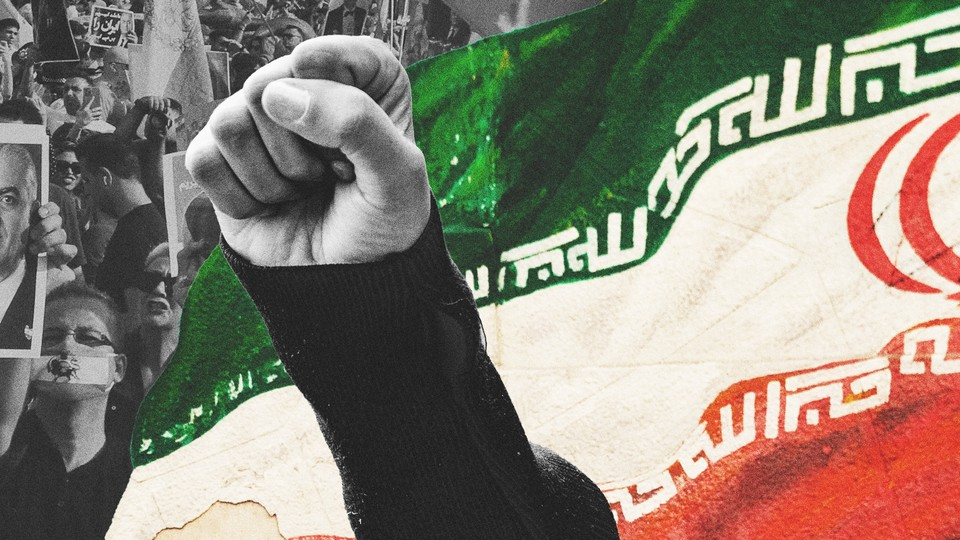
As anti-government protests in Iran enter their third week, the confrontation between Tehran and Washington is no longer confined to diplomatic statements. The United States has openly signaled that it is closely monitoring developments and has not ruled out intervention should violence against civilians intensify. Tehran, in turn, has warned that any U.S. move would be met with a response. Yet recent regional experience, including the exposure of serious weaknesses in Iran’s air-defense capabilities during the latest twelve-day confrontation, has cast doubt on how much of this rhetoric reflects real power and how much is driven by ideology and psychological signaling.