


 Business Recorder
 UK govt retreats on mandatory digital ID to work
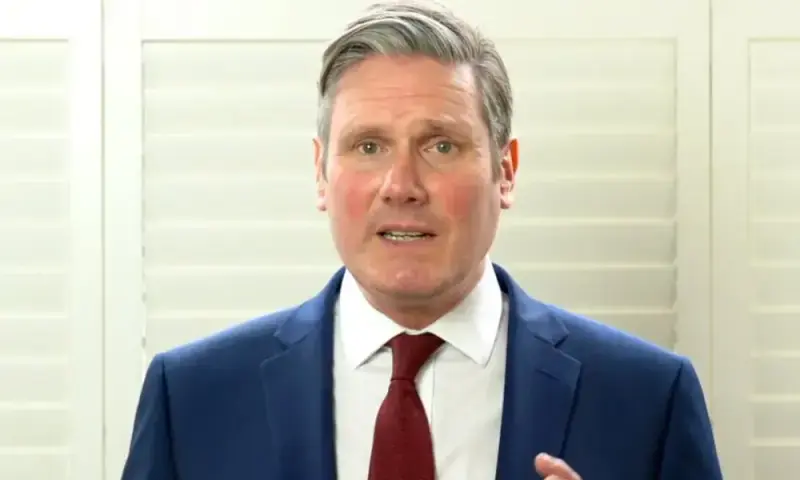
LONDON: UK Prime Minister Keir Starmer on Wednesday defended his decision to shelve plans to make a digital ID mandatory to work in Britain. The latest U-turn in his Labour government’s policies follows an intense backlash against plans to introduce a free digital ID for UK nationals and those residing in the country in a bid to curb illegal migration. Officials briefed British media late Tuesday that the new ID which had been proposed by the government in September would no longer be mandatory for employment. “I’m determined to make it harder for people to work illegally in this country, and that is why there will be checks,” Starmer told parliament. “They will be digital, and they will be mandatory.” Earlier, finance minister Rachel Reeves insisted the right to work would still be contingent on providing a form of digital verification. “We are saying that you will need mandatory digital ID to be able to work in the UK,” she told the BBC. “Now the difference is whether that has to be one piece of ID — a digital ID card — or whether it could be an e-visa or an e-passport,” Reeves added. “We’re pretty relaxed about what form that takes.” There has been long-standing resistance in the UK to any plans to impose a mandatory ID, and the latest proposals from Starmer’s government had sparked fierce opposition from rival political parties as well as public concern. Some criticism, including from far-right figures, promoted unproven claims that it would be used to boost government control over people’s lives. They included fearmongering that digital ID will be used to store data on vaccinations and carbon footprint and limit access to flying and food, which the government has vehemently denied. Starmer had said in September that the ID card would be introduced by 2029 and while it would not be mandatory, it would be required to prove the right to work. Opposition politicians seized on the latest government reversal, which follows around a dozen other U-turns on various policies since centre-left Labour won power in July 2024.