


 Business Recorder
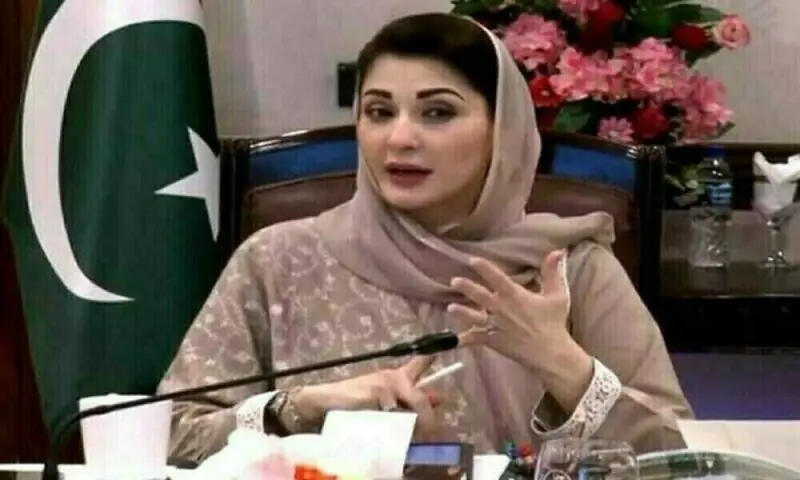
 CM envisions women’s economic empowerment through health access
LAHORE: Punjab Chief Minister Madam Maryam Nawaz envisions empowering women and bringing them into the economic mainstream by ensuring access to health and education services at the Union Council level. Saira Afzal Tarar, Coordinator to the Punjab Chief Minister for Health and Population, expressed these views while addressing a ceremony in connection with ‘self-employment of women in the private health sector, Punjab’ programme on Wednesday. Greenstar Social Marketing Pakistan, in collaboration with the Punjab government and with support from the German Development Bank (KfW), held the event Dr Khalid Mehmood, Director General Health and Population Punjab, and Dr Syed Ali Mehdi, Director General Health and Population South Punjab, were also present. Implemented across 14 districts of Punjab, the programme was executed in close coordination with the Punjab Health and Population Department, which provided technical guidance and support to integrate women-led private clinics into the broader public health system. The initiative aimed to empower qualified women healthcare providers by supporting the establishment and sustainability of private clinics delivering essential primary healthcare, maternal and child health (MNCH), and family planning services. While addressing the ceremony, Tarar stated that she welcomed the initiative, terming it a strong example of an effective public-private partnership. She noted that the programme has not only expanded access to primary healthcare and MNCH services but has also created self-employment opportunities for trained community midwives, helping save lives by reducing reliance on untrained birth attendants. She appreciated the German government and Greenstar for successfully completing the project and bringing quality healthcare closer to underserved communities. Speaking on the occasion, Dr Syed Ali Mehdi highlighted that South Punjab faces significant development challenges and requires expanded healthcare coverage. He emphasised that the programme strongly complements government efforts to extend primary healthcare and MNCH services to underserved areas. He also appreciated Greenstar’s close coordination with district health authorities and underscored the project’s dual impact of creating sustainable livelihood opportunities for trained women healthcare providers while improving access to essential health services at the community level. Copyright Business Recorder, 2026