


 Inquirer
 Korean food wasn’t always this spicy. The rise of heat explained
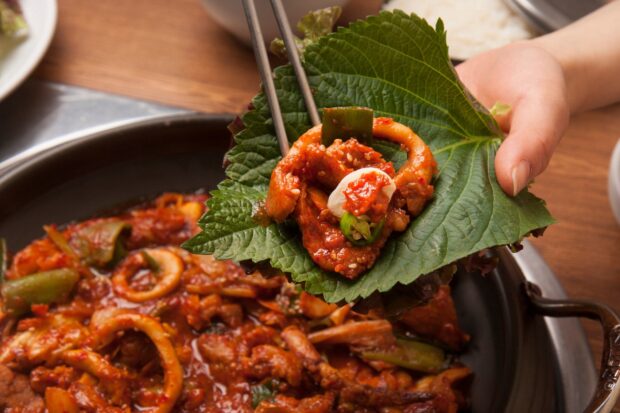
When stress hits at work, Kang Hye-mee’s discipline collapses. The 33-year-old office worker usually eats carefully. Breakfast is a salad, sometimes a protein shake. Health matters to her. Self-control matters. But on difficult days, she reaches for something else entirely: extra-spicy tteokbokki. Her tongue burns. She sweats. Her stomach protests. She has even developed gastritis. Yet the discomfort feels strangely comforting. It feels like relief. READ: ‘Hoe doyp bap,’ ‘pajeon,’ ‘sewn muchim’–top-of-mind Korean dishes “I tell myself I should stop, but more often than not, I don’t,” she said. “At least three times a week, I crave something fiery. I […]... Keep on reading: Korean food wasn’t always this spicy. The rise of heat explained