


 Dawn.com
 NDMA issues cold wave alert for northern areas, AJK
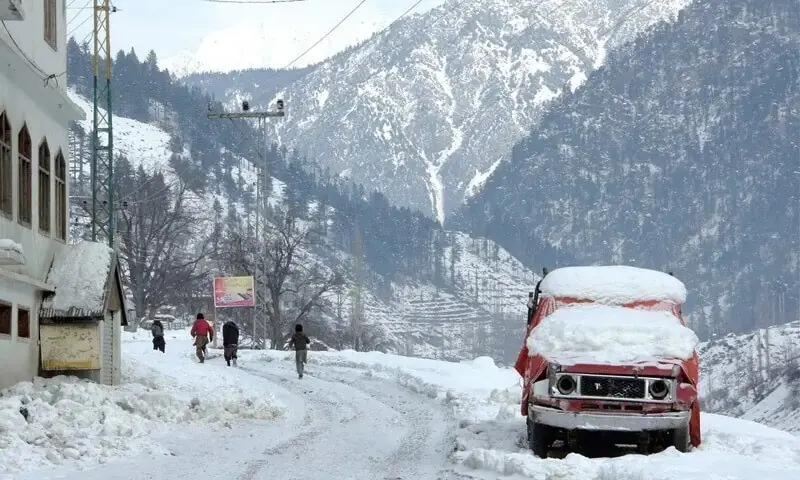
The National Disaster Management Authority (NDMA) on Thursday issued a cold wave alert for the upper and northern regions of the country. The authority, in a statement issued by the National Emergencies Operations Centre (NEOC), forecast a strong cold wave expected to affect Gilgit-Baltistan, upper Khyber Pakhtunkhwa, and Azad Jammu and Kashmir over the coming days, resulting in heavy snowfall over high-altitude and hilly areas. “Very cold to extremely cold conditions are likely to prevail, particularly during nighttime and early morning hours, while daytime temperatures are expected to remain below normal,” the statement read. The forecast indicated “moderate to heavy snowfall over high-altitude and hilly areas”, which may lead to disruptions in road connectivity, transportation, and power supply in mountainous regions. “Adjoining plains are expected to experience cold and dry weather, with frost formation in isolated pockets,” the forecast added. The prevailing conditions may “increase the risk of snow slides and avalanches at vulnerable locations” in hilly areas, posing threats to human safety, infrastructure, and livestock. “Prolonged exposure to extreme cold and snowfall may also heighten health risks, especially for children, the elderly, and those with pre-existing medical conditions, while frost may cause damage to standing crops and orchards in nearby plain areas,” the statement said further. In view of the expected weather conditions, the NDMA advised the public to “avoid non-essential travel to high-altitude and snowfall-prone areas and to ensure the use of snow chains where travel is unavoidable”. It also urged citizens to “make adequate arrangements for heating, warm clothing, and shelter”, with particular attention to protecting vulnerable populations, with advice for local communities to “remain vigilant and strictly follow advisories” issued by relevant local authorities. The NDMA directed all provincial and district authorities concerned to remain on high alert and ensure preparedness for snow clearance operations, emergency response, and timely restoration of essential services, including electricity and communications. The statement further said the NDMA, through its NEOC, would continue to monitor the situation closely and issue further updates as required. It also advised the public to “obtain authentic and official information through television and radio broadcasts, verified social media platforms, and Pak NDMA Disaster Alert” mobile application, to stay informed and take necessary precautionary measures.” On Monday, the Pakistan Meteorological Department (PMD) dismissed reports claiming an “extreme cold wave” expected from January 16 to 25 and maintained the temperatures in the coming days would stay within the “normal winter range”, according to the latest numerical analysis of weather data.