


 Daily Finland
 Finland to open gambling services as Veikkaus’s monopoly ends next year
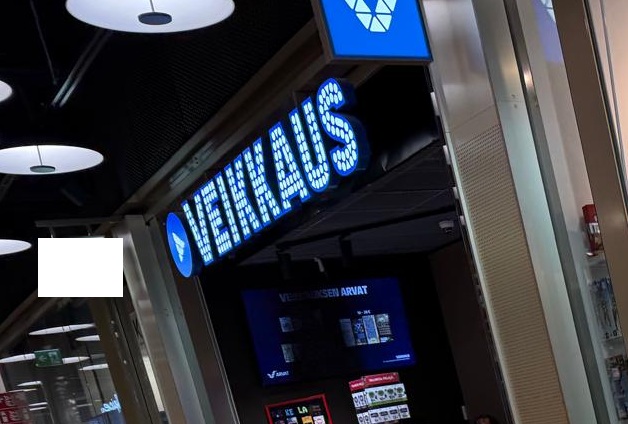
Finland will open some gambling services to competition as the new law will end Veikkaus Oys monopoly on running gambling games in next year, said the Ministry of the Interior in a press release on Thursday. The government proposed that the President approve the Gambling Act on Friday (January 16 January) and most of the provisions of the new act will enter into force on 1 July 2027. Under the new Gambling Act, the running of betting games, online slot and casino games, and online money bingo will be opened to competition under a licensing system. After the legislative reform takes effect, Veikkaus Oy will retain the monopoly on lottery-type games, scratch cards, and physical slot machines and casino games. Gambling companies can apply for licences from the National Police Board starting on March 1, 2026. An exclusive licence can be granted to a limited liability company controlled by the State of Finland and engaged in the running of gambling games. A company within the Veikkaus Group may also apply for a licence to operate in the competitive market. A gambling licence can be granted to a natural or legal person specified in the Enterprise Act. Applicants must meet the requirements of fitness and propriety for the provision of gambling services. Veikkaus Oy will have a monopoly on providing gambling services under the supervision of the National Police Board until the end of June 2027. During this period, no other company may run or market gambling games. From 1 July 2027, the Finnish Supervisory Agency will take over licensing and supervision of gambling services and start issuing gambling software licences. The provision of licensed gambling services can begin on July 1, 2027. From 1 July 2028, holders of exclusive and gambling licences may only use gambling software provided by a holder of a gambling software licence. Under the new Gambling Act, licence holders must protect players from gambling-related harm. The age limit for gambling remains 18, and player registration requires strong identification to verify age. All gambling will require mandatory identification. Identification will enable self-exclusion, consumption limits, and self-monitoring. Licence holders must monitor player behaviour and provide tools to prevent gambling harm. After the new act enters into force, consumers can choose to self-exclude through a centralised system covering all licence holders. Licence holders must also allow players to self-exclude from specific games or game categories. Gambling games played via a player account will also have gambling company-specific transfer limits. Players must set daily and monthly limits on how much money they can transfer to their player account. The Gambling Act lays down provisions on permitted marketing channels and prohibited marketing practices. For example, advertising on television and radio and in newspapers is allowed. Marketing is also permitted on the licence holders website or social media accounts, provided it is not interactive with consumers. Influencer marketing and direct marketing by phone are prohibited. Gambling marketing must not target minors, and marketing materials must not feature under-18s. Gambling must not be marketed in channels aimed at minors or at sports and other public events intended for minors. There are also restrictions on outdoor marketing. Sponsorship agreements cannot be made with under-18s, and events, competitions or leagues aimed at minors cannot be sponsored. Marketing must always include information on the age limit for gambling and on tools for managing gambling-related problems. Except for radio advertising, marketing must also include details of the licence and the supervisory authority. If a licence holder were to breach or neglect the obligations laid down in the Gambling Act, the supervisory authority could order the cessation of illegal activities, impose an administrative fine or impose a penalty payment for more serious infractions. As a last resort, the authority may withdraw the licence. Earlier in March 2025, the government moved to end Veikkaus's gambling monopoly and submitted the legislative proposal to Parliament.