


 Dawn.com
 Exchange companies allowed to use Raast
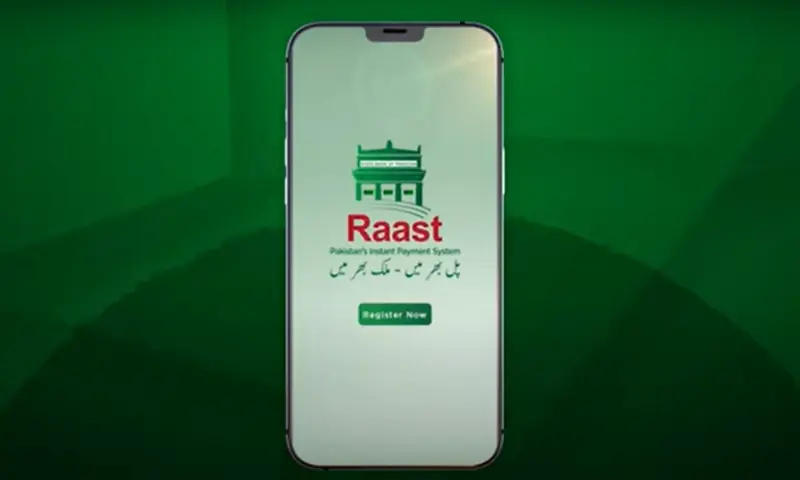
KARACHI: In a major move to facilitate overseas Pakistanis, the State Bank of Pakistan (SBP) has allowed exchange companies to use the Raast payment system to receive remittances instantly. The exchange companies are the third-largest component of foreign exchange inflows to Pakistan, accounting for up to $4.5 billion annually. The foreign direct investment (FDI) has been declining, and Finance Minister Muhammad Aurangzeb admitted that international companies are leaving the country due to the high cost of production, but urged multinationals to review their business models. At the same time, exports have not performed well, even though the government has set an ambitious target of $60 billion. This is the reason the SBP has been looking for higher inflows from overseas, for which the government is facilitating Pakistanis to go abroad and seek jobs. The government and the State Bank are taking every measure to improve inflows and minimise outflows of dollars from the country, which is why the exchange companies were stopped from providing cash dollars to customers. Instead, they either directly transfer dollars into the customer’s foreign currency accounts or issue a cheque to get the dollars from a bank. Move expected to boost remittances and take country towards a cashless economy “The SBP has now allowed exchange companies (ECs) to utilise Raast, a state-of-the-art payment system launched by the SBP in 2021, to facilitate remitters and beneficiaries of home remittances,” said a circular of the central bank on Thursday. “Through this enablement, the beneficiaries receiving remittances through ECs can receive their funds in their accounts and wallets maintained with banks, MFBs, or EMIs, in a safe and efficient manner,” said the circular. The SBP has launched a series of measures to bring the payment system up to international standards and replace paper-based transactions with cashless ones. Globally, the digital payment system has already captured a major share of transactions. Now, the latest Chinese payment system makes it even easier, as international payments take just 5 seconds compared to the old dollar-based system, which usually takes 5 to 6 days. “This facilitation (Raast) is a step forward in achieving the overall national objective of a cashless economy,” said the SBP. The circular said that the digital enablement of exchange companies and the building of an innovative and inclusive digital financial services ecosystem are key objectives of the State Bank under its Strategic Plan 2023-2028. “To achieve this objective, SBP continues to strengthen digital payments infrastructure, promote innovation and redesign regulatory frameworks to facilitate cross-border transfers using secure, interoperable and customer-centric solutions,” said the circular. “This facilitation is a step forward in achieving the overall national objective of cashless economy,” it added. SBP reserves up $16m The central bank’s foreign exchange reserves increased by $16m to $16.071bn during the week ending Jan 9. According to SBP, the country’s overall liquid foreign reserves stood at $21.248bn, including $5.176bn held by the commercial banks, during the week under review. Published in Dawn, January 16th, 2026