


 Dawn.com
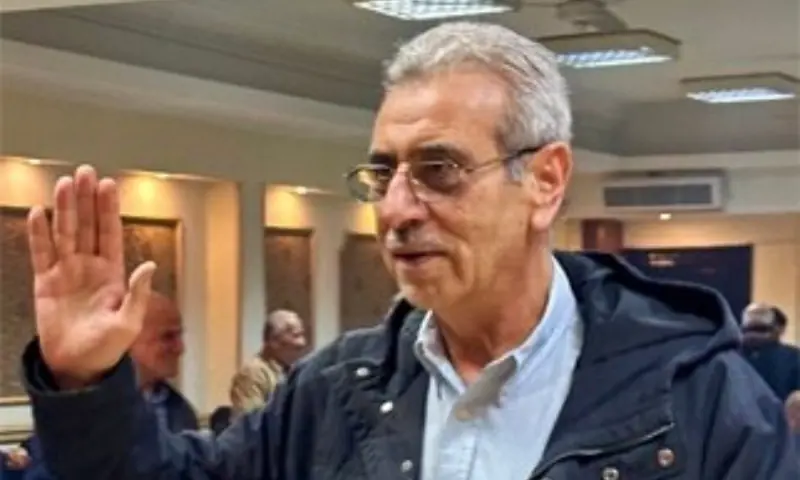
 Who is Ali Shaath, Palestinian chosen by Trump to lead Gaza
Ali Shaath • Ex-deputy planning minister vows to clear debris in three years; Belfast-educated civil engineer will chair 15-member body • Prioritises urgent temporary shelter over rebuilding; defies UN estimates with seven-year restoration timeline • Secures dual endorsement from Hamas, Mahmoud Abbas JERUSALEM: Ali Shaath, the Palestinian former government official chosen to administer Gaza under a US-backed deal, has an ambitious plan that includes pushing war debris into the Mediterranean Sea and rebuilding destroyed infrastructure within three years. The appointment of the civil engineer and former deputy planning minister on Thursday marked the start of the next phase of US President Donald Trump’s plan to end Israel’s war in Gaza. Shaath will chair a group of 15 Palestinian technocrats tasked with governing the Palestinian enclave after years of occupation by Israel. Under Trump’s plan, Israel has withdrawn from nearly half of Gaza but its troops remain in control of the other half, a wasteland where nearly all buildings have been destroyed. Trump has floated turning Gaza into the “Riviera of the Middle East”. Shaath will face the uncertain task of rebuilding the territory’s shattered infrastructure and clearing an estimated 68 million tonnes of rubble and unexploded ordnance even as Israel and Hamas continue to trade fire. After past rounds of fighting with Israel, Palestinians in Gaza used war rubble as foundational material for the historic marina in Gaza City and for other projects. In an interview with a Palestinian radio station on Thursday, Shaath suggested a similar approach. “If I brought bulldozers and pushed the rubble into the sea, and made new islands, new land, I can win new land for Gaza and at the same time clear the rubble,” he said, suggesting the debris could be removed in three years. He said his immediate priority was the provision of urgent relief, including forging temporary housing for displaced Palestinians. His second priority would be rehabilitating “essential and vital infrastructure,” he said, followed by reconstruction of homes and buildings. “Gaza will return and be better than it used to be within seven years,” he said. According to a 2024 UN report, rebuilding Gaza’s shattered homes will take until at least 2040, but could drag on for many decades. Rebuilding Gaza Ali Shaath, born in 1958, is originally from Khan Younis in southern Gaza. He previously served as the deputy minister of planning in the Palestinian Authority in the occupied West Bank, where he currently resides. In that role and others, he oversaw the development of several industrial zones in the West Bank and Gaza. He holds a PhD in Civil Engineering from Queen’s University Belfast. Shaath’s upbeat assessment of the timeline for rebuilding Gaza is almost certain to face challenges as mediators struggle to agree terms on disarming Hamas, which refuses to give up its weapons, and deploying peacekeepers in the enclave. It was unclear how Shaath’s committee would proceed with rebuilding and gaining permissions for the import and use of heavy machinery and equipment — generally banned by Israel. Israel, which cites security concerns for restricting the entry of such equipment into Gaza, did not respond to requests for comment on Shaath’s appointment and plans. Shaath said the Palestinian committee’s area of jurisdiction would begin with Hamas-controlled territory and gradually increase as Israel’s military withdraws further, as called for in Trump’s plan. “Ultimately, the (committee’s) authority will encompass the entire Gaza Strip 365 square kilometres from the sea to the eastern border,” he said in the radio interview. Support from Hamas, Abbas The formation of Shaath’s committee has won support from Hamas, which is holding talks on Gaza’s future with other Palestinian factions in Cairo. Senior Hamas official Bassem Naim said the “ball is now in the court of the mediators, the American guarantor and the international community to empower the committee”. Palestinian President Mahmoud Abbas also voiced support for the committee, which he said would run Gaza through a “transitional phase”. “We reaffirm the importance of linking the institutions of the Palestinian Authority in the West Bank and Gaza, and avoiding the establishment of administrative, legal and security systems that entrench duality and division,” Abbas said. Published in Dawn, January 16th, 2026