


 Dawn.com
 Visa freeze
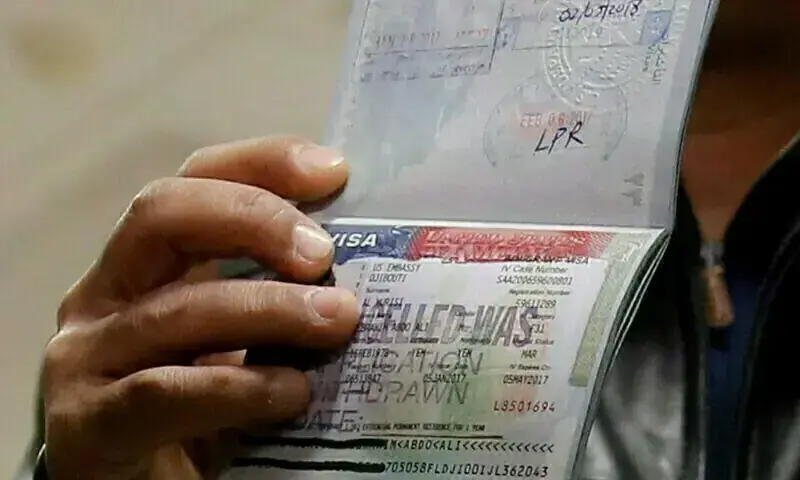
THE US government’s decision to suspend immigration visas for nationals of 75 countries, including Pakistan, marks an extraordinary escalation in Washington’s immigration policy. The move raises questions about proportionality, legality and intent. Applicants can still submit forms and attend interviews, but with no visas being issued, the policy ends up targeting legal immigration rather than illegal border crossings. The administration says the pause is meant to ensure immigrants are financially self-sufficient and do not rely on public welfare. But the visas affected — family-based, employment-based and diversity visas — already involve lengthy screening, background checks and financial requirements. If the real concern is illegal immigration, freezing lawful pathways makes little sense. The policy’s selective nature adds to the confusion. Student, tourist and business visas are unaffected, meaning Pakistanis may study or visit the US but cannot settle permanently or reunite with family members. India is reportedly not among the affected countries, though no official list has been released. Without clear criteria or timelines, the step appears arbitrary rather than rules-based. The use of the public-charge rule further weakens the policy’s credibility. Reports that applicants may be required to post bonds as high as $15,000 turn immigration into a wealth test. For families from lower-income countries, this creates an almost insurmountable barrier, regardless of skills or sponsorship. The latest guidance from officials gives little reassurance. Interviews will continue, but even visas already approved — if not yet printed — must be refused. Dual nationals applying on passports from unaffected countries are exempt, and vague “national interest” exceptions may be granted, though no standards have been explained. For Pakistanis, the consequences are immediate. Families waiting for reunification face indefinite delays, professionals with approved petitions are left in limbo, and long-term plans put on hold. Pakistani diplomatic missions are still awaiting detailed instructions, adding to the uncertainty. Visa suspensions are not new in US history, especially during security reviews. But the scale of this pause — covering over 75 countries — is unprecedented. By focusing on legal immigrants while leaving temporary visas untouched, the policy appears to be less about reform and more about exclusion by design. A fair immigration system must be transparent, consistent and focused on individual assessment. Published in Dawn, January 16th, 2026