


 The Huffington Post
 I Tried Passionflower Tea For A Week To Help Me Sleep. Here's How It Went
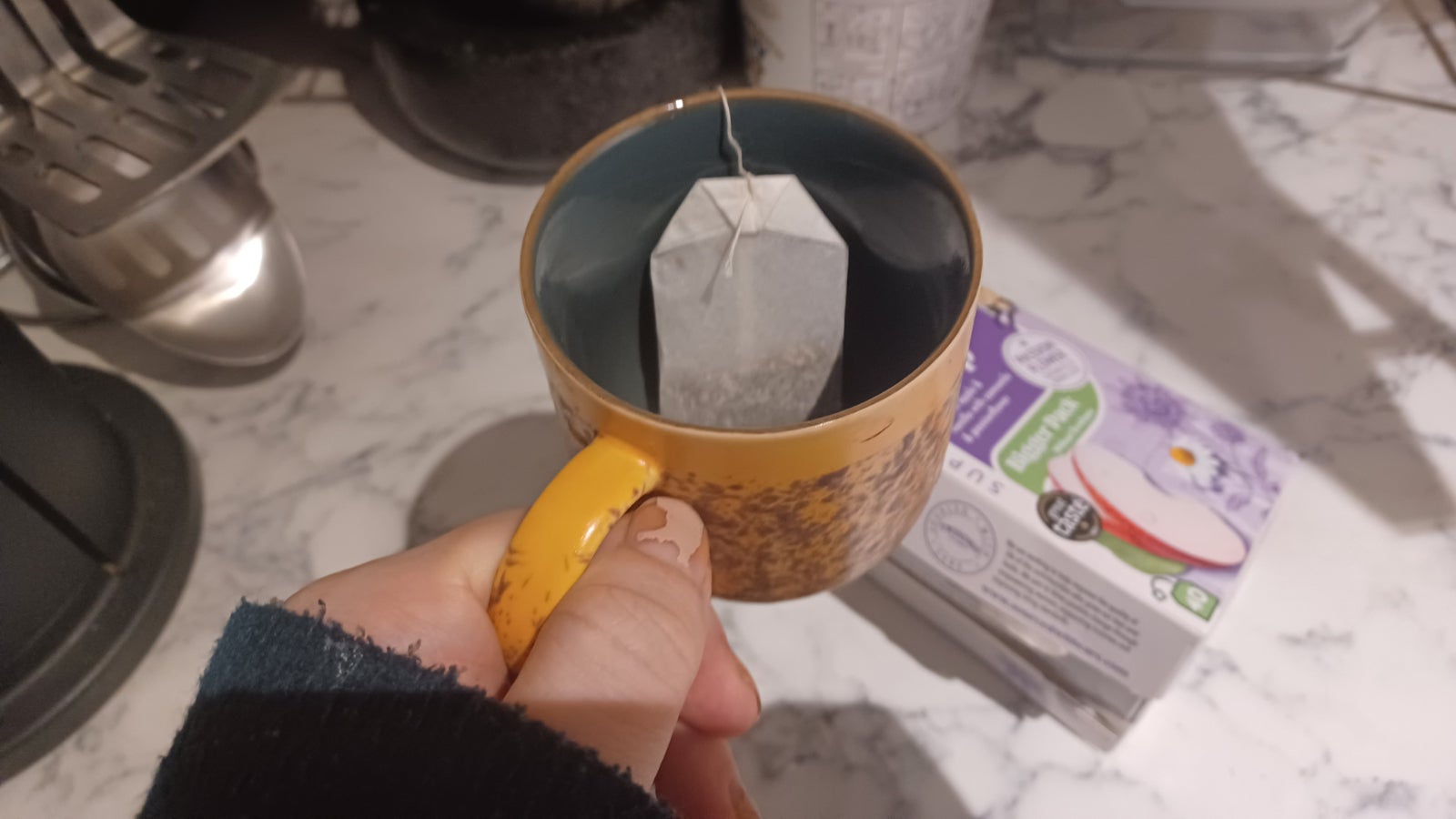
This year, I’ll be trying sleeping tricks to see whether they actually improve my insomnia. Check back in on this series, Rest Assured , to see how I get on. For years, I’ve struggled with an issue called sleep maintenance insomnia . This means that while I don’t have any trouble getting to sleep at night, I find it really hard to stay asleep. So, I thought this would be the year I tried everything I could to tackle it. I’m not just talking standard wisdom, like getting enough exercise in the day: I want to give science-backed ideas, like eating kiwifruit for better kip , a try. Which is why, for the past week, I’ve tried drinking passionflower tea. Why might passionflower tea help you sleep? Passionflower is a climbing vine which has traditionally been used as a sedative . But, as I’ve mentioned, my problem isn’t actually falling asleep; I doze off just fine. Instead, I dread 3am wakeups I can’t recover from. Good news, though! Per a 2011 paper , the herb has also been used to decrease sleep disturbances, too. And in that 2011 study , researchers found that of all the metrics they used to measure sleep changes, those who consumed passionflower tea saw the most improvements in sleep quality , rather than sleep onset time, specifically. This may be because passionflower increases the amount of gamma-aminobutyric acid (GABA) in the brain. Some insomnia-fighting medicines target GABA receptors in the brain because of the amino acid’s positive effect on sleep. Passionflower tea So... how did it go? I’ve mentioned before that I have stopped sleep tracking , though I do keep a note the day after about the previous night’s sleep (ie whether or not I woke up at 3am and if I got back to sleep). On average, I usually wake up at 3am about 4.8 times a week and manage to return to the land of nod about 1.2 nights a week. This week, I woke up at 3am four times a week (better than average, and especially impressive considering I’d been dealing with hormonal sleep changes ). Of course, that’s only one metric. I will say that I also noticed a slight decrease in tiredness throughout the day. That might be because passionflower has been shown to encourage deeper, more restful sleep in rats . I did find myself tossing and turning a little less, and even experienced (or remembered) fewer of my usual slightly-nuts, high-octane dreams. In short, then, though it wasn’t a night or day difference, I’ll probably stick to drinking passionflower tea at night. It’s relaxing, seems to calm my sleep a bit, and might have helped me wake up less often; not bad for a pretty cheap box of tea. Related... Science Says Kiwis Can Improve Your Sleep, So I Tried It To Find Out If Your 3- Or 4-Year-Old's Sleep Has Suddenly Gone Haywire, It's Time To 'Zoom Out' 4 Sleep Changes A Sleep Scientist Would Never, Ever Ignore