


 Ruptly
 'Hama's lifeblood and lungs' - Orontes River's waterwheel turns again after torrential rains end months-long drought
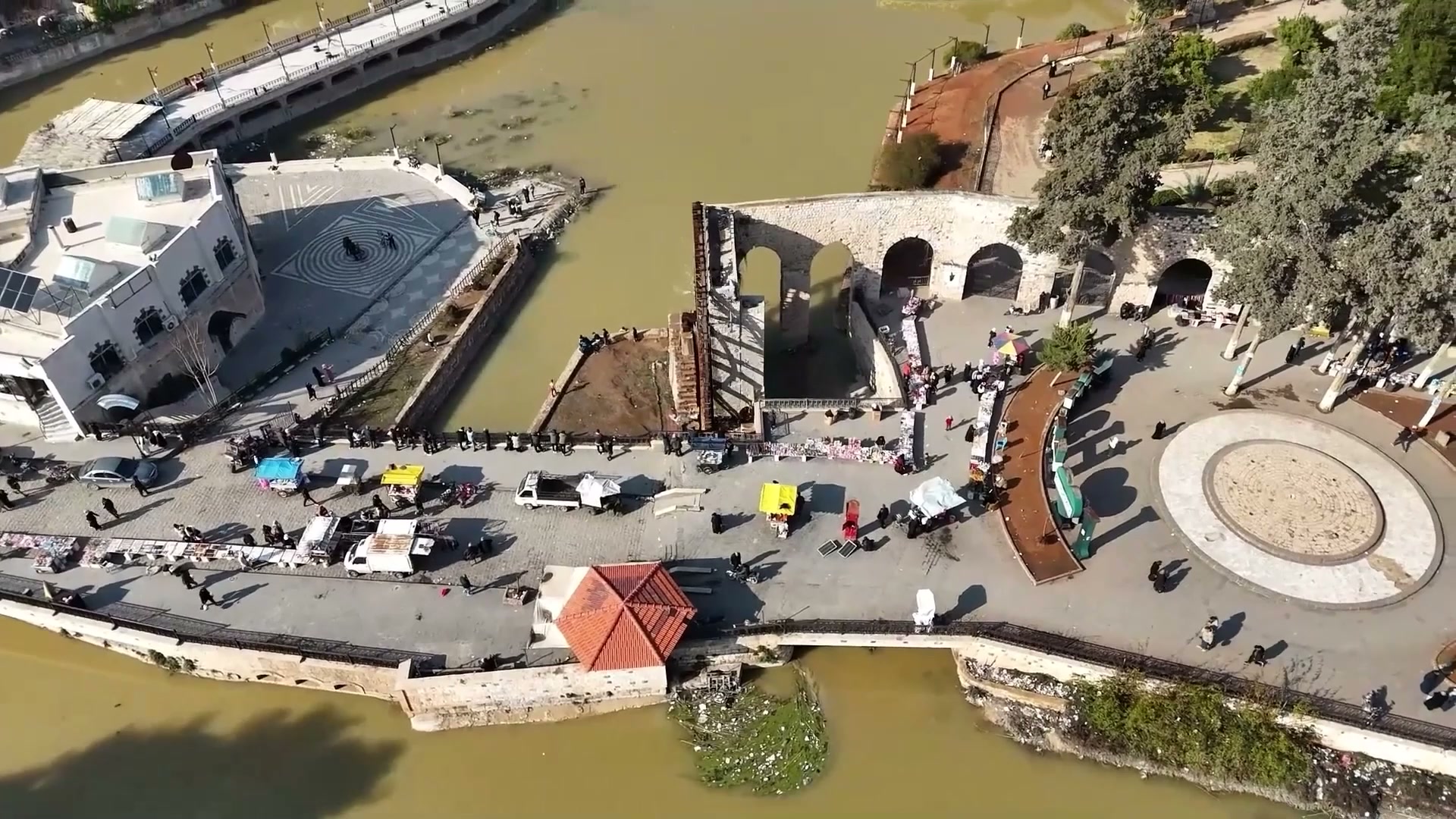
"After a prolonged period of drought, heavy rainfall brings life to the historic waterwheel of the Orontes River in Hama as its water level rises again. Footage captured on Friday shows a significant rise in water levels in the river, as the waterwheel began turning once again. "We have heard so much about the waterwheels of the rivers of Hama, but when we first visited it, we found them dry; we even walked along the riverbed where water once flowed," Ibrahim Al Bayour, a visitor from Maaret Al Numan shared. "Now, thanks to the rainfall, thank God, we've heard that they’ve started turning again. We were nearby so we said 'Let us come and see the waterwheels, the rain, and the Orontes River as it once was," he continued. Hama resident Fayez Hatem echoed this sentiment, calling the waterwheels the 'lifeblood and lungs' of the city. "When they turn, in their full glory, the entire city thrives, and all of Hama flourishes," he continued. In response to the renewed water flow, Syria's Ministry of Agriculture of the transitional government warned about the potential risks of flooding in agricultural lands along the riverbanks, especially in the Ghab Plain and Darkoush regions. The ministry also urged residents and farmers to be cautious and avoid low-lying areas and flood channels. Syria's Orontes River has immensely endured climate change and parched conditions, compounded by the fallouts of conflict. Additionally, pollution from both industrial and domestic waste has further worsened the ecosystems and agriculture and deepened the struggles of local communities. The Orontes River, which originates from Lebanon and runs through Syria's Hama, Homs, Idlib, and Aleppo provinces before flowing into Turkey and eventually the Mediterranean Sea, is central to the livelihoods of the rural and urban communities. It serves as a vital source of water for both agriculture and drinking."