


 The Huffington Post
 Experts Explain Why We Always Get Sick In Winter
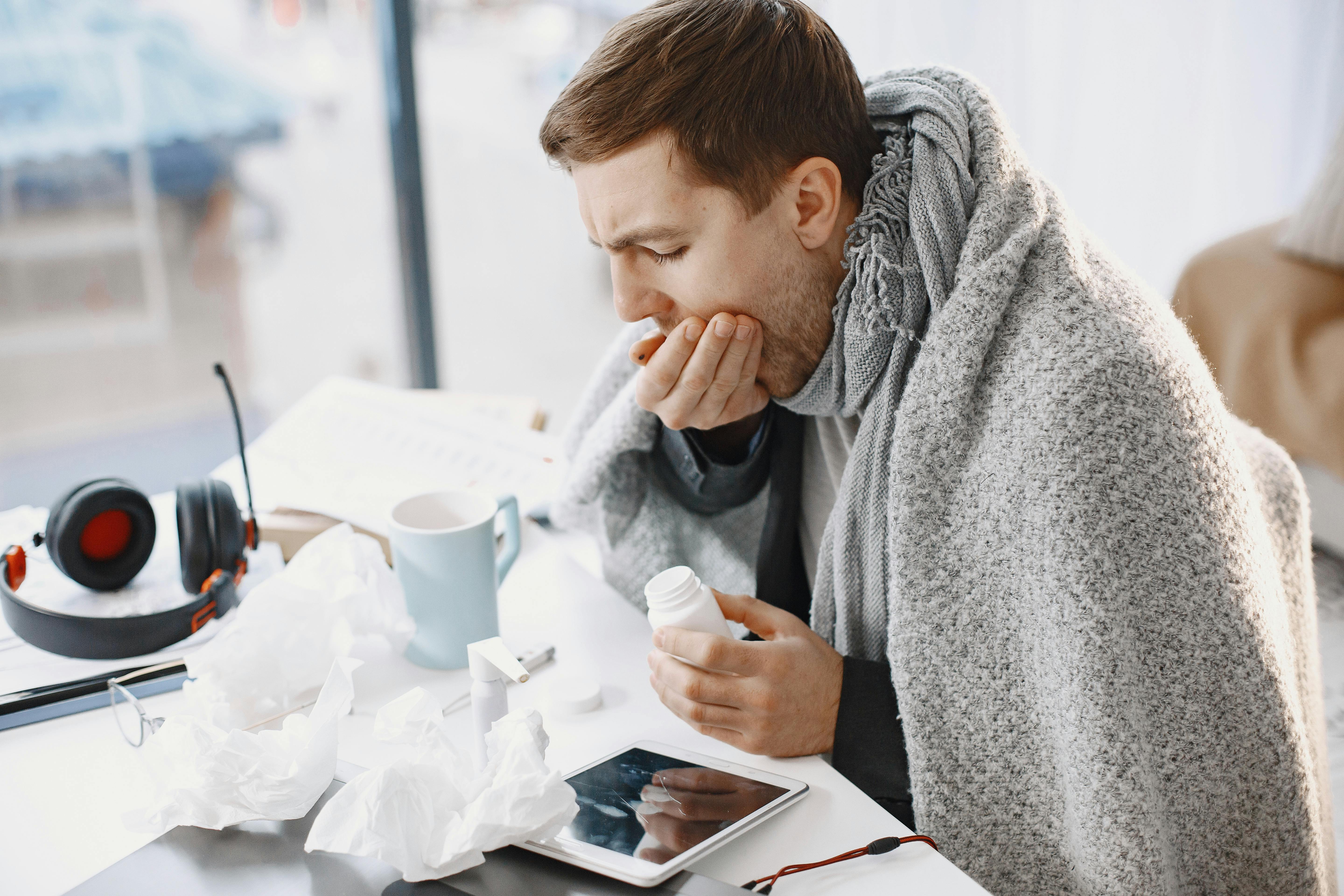
A sick man covering his mouth At the time of writing this, I am onto my second cold of the month which is impressive when they month still has 11 days left in it. Sneezing, coughing, groggy misery is basically what my life feels like at the moment. The worst part is, I can’t even get the sympathy that I long for because everybody else is in the same boat. What’s the point in catching a cold if you can’t even get some pity out of it? With this in mind, I got to wondering why we are more susceptible to sickness during winter. It isn’t the cold itself that causes it, and it’s not like we stop taking the vitamins that we usually do, so why are we all so poorly? Why are we more sick in winter? Well, it may be because our bodies naturally weaken during these chilly months. Healthcare providers Bupa explain on their website: “Your immune system protects you from disease. Some early studies have suggested that the cold and dry conditions of winter could make it harder for your immune system to fight off viruses. “Your nose and airways are lined with mucus and tiny, hair-like structures called cilia. They act as a barrier by trapping viruses that you breathe in and moving them out of your airways. Your mucus also contains antimicrobial substances that help to protect you from disease. But breathing in cold, dry air during the winter months can affect the mucus and cilia lining your nose and throat, making them less efficient.” Very interesting (and a little gross). Writing for The Conversation , Manal Mohammed Senior Lecturer, Medical Microbiology, University of Westminster also explains: “Cold weather encourages people to spend more time indoors, often in close contact with others. Crowded spaces with poor ventilation allow virus-containing droplets to build up in the air, making transmission between people more likely. “During winter, reduced sunlight exposure leads to lower production of vitamin D in the skin. Vitamin D is involved in regulating immune function, and low levels are associated with weaker immune responses.” She also agrees that the dry air in indoor spaces, created by indoor heating could also contribute as studies have found that viruses survive longer and spread more easily in cold, dry air. How to protect yourself and others against cold and flu The UK Health and Security Agency (UKHSA) recommend: Get vaccinated if you are eligible If you are feeling unwell, stay at home If you’re meeting people indoors, open a window for fresh air. Just keep in mind the room temperature and whether anyone might be sensitive to the cold Practise good hygiene: cough into your bent elbow, or use a tissue and dispose of it afterwards in the nearest bin wash your hands frequently with warm water and soap clean your surroundings often, especially areas that are touched frequently such as door handles They also advise wearing a mask when you are unwell and need to go out, to protect others from catching viruses. Related... Yes, You're Ill – Please Take Your Sick Leave So THAT's Why All The Kids Seem To Be Sick Right Now Is It Better To Spit Out Or Swallow Your Mucus When You're Sick?